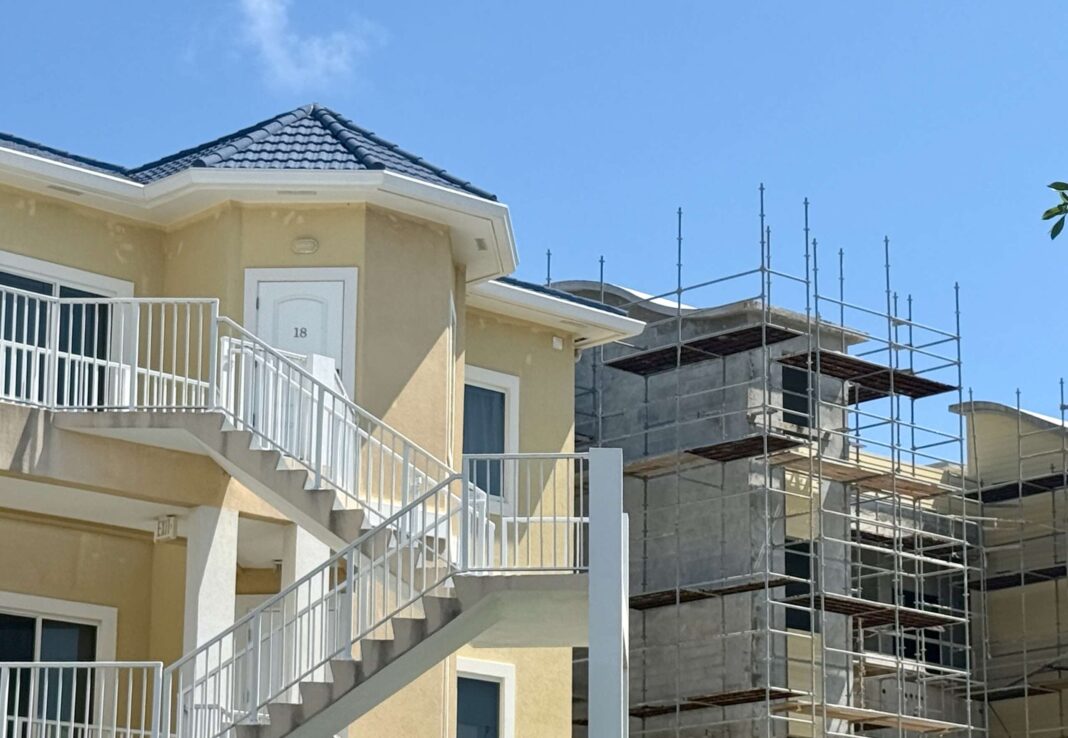
One thing candidates from all sides shared a view on in the run-up to the 2025 general election was the need for more affordable housing for Caymanians. With hundreds of families on the housing waiting list, the matter was hotly debated in the series of Chamber of Commerce debates leading up to voting day and featured in all the party manifestos.
The Caymanian Community Party (TCCP), led by former deputy premier – now Premier André Ebanks, listed several ways in which it planned to help Caymanians get on the housing ladder. These include reintroducing the Government Guaranteed Home Assisted Mortgage programme to offer zero-deposit mortgages; raising the upper price limit for stamp duty waivers; speeding up work by the National Housing Development Trust; and amending planning regulations to cut red tape and provide incentives to contractors to increase the supply of low- and middle-income housing.
Broader conversation
The overarching theme was a more joined-up plan for Cayman, with housing just one part of it, the TCCP said, “Lack of affordable housing is part of a broader conversation about population growth, immigration policies and physical development.”
When the party formed the Coalition government with the Cayman Islands National Party and elected independent candidates, immigration was one of the first issues to be addressed and in November’s Strategic Policy Statement, housing was second only to education in the list of government priorities.
Government pledged to “enhance family stability through increased supply of housing units that are within the financial reach of Caymanians” by a number of initiatives, including implementing a national housing policy across Grand Cayman and the Sister Islands, and adopting a National Development Plan supported by updated development and planning legislation.
Minimal progress
One year on from the election, building progress has been minimal. The supply of affordable housing is yet to meet the necessary momentum to tackle the growing waiting list. Minister for Housing Jay Ebanks told Parliament last year that as of 30 Sept. there were 1,152 active applications on the affordable housing waiting list of the National Housing Development Trust, representing 2,200 Caymanians.
Opposition leader Joey Hew recently raised concerns over how quickly new affordable homes were coming online, with just 13 completed in 2025, saying that a previous administration was providing three to four times as many.
Minister Ebanks said that dealing with the situation was a priority for government, he said, “We have to find a way to be able to deliver the homes as quickly as possible. The NHDT [National Housing Development Trust] cannot build ourselves out of this problem that we have. What we have to do is we have to get the private sector to come back and help fill this opportunity that we have here.”
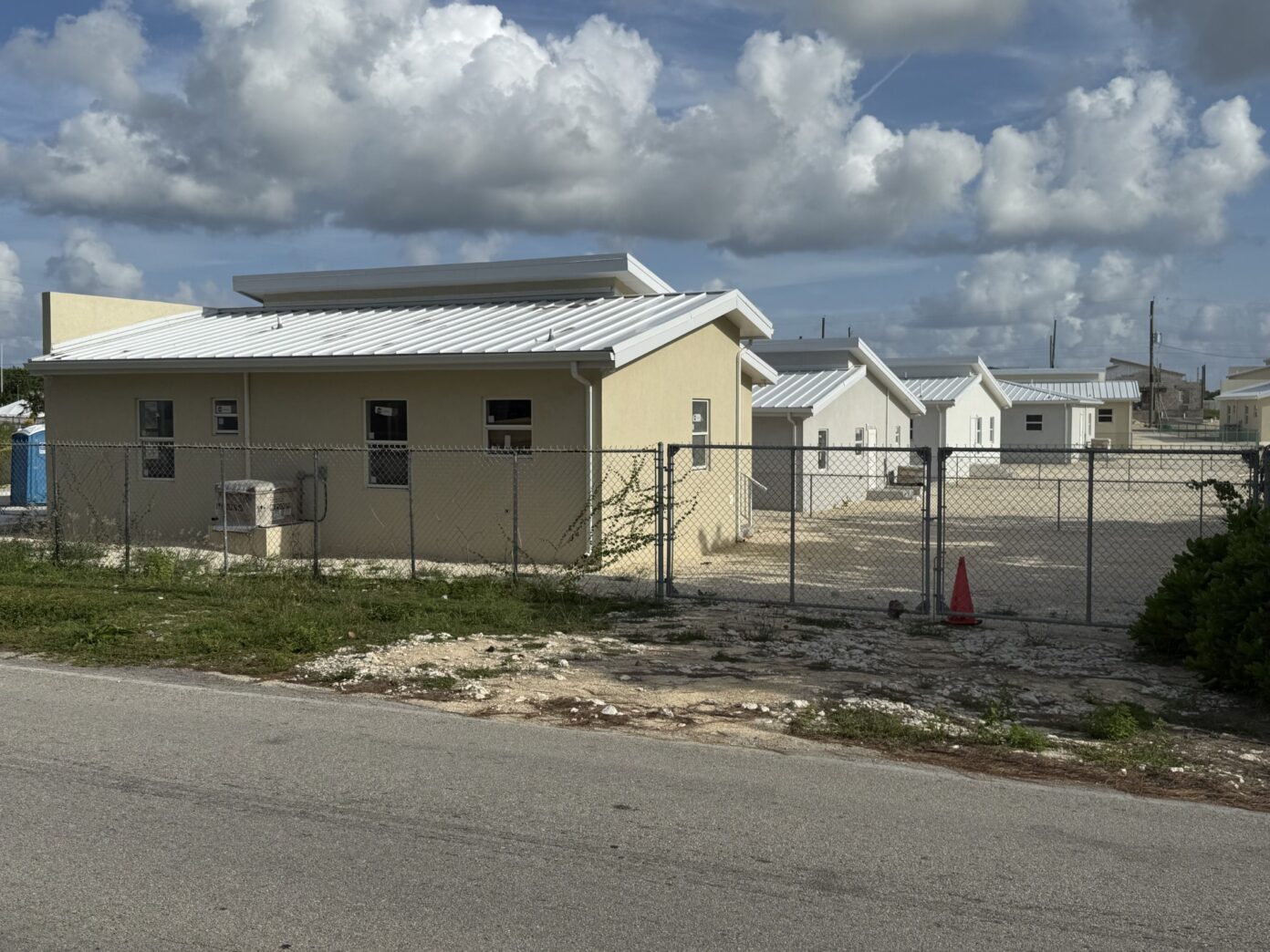
Ebanks recently tabled a 376-page Public and Affordable Housing Policy and 10-Year Strategic Plan in Parliament, which was commissioned by the Ministry of Housing and prepared by US consulting firm Public Works LLC.
While government says this is the country’s “first-ever housing policy, establishing a framework for more affordable home ownership for working families”, the report set out a huge number – 98 – of specific policy recommendations across 10 areas in the short, medium and long term. Work is now underway to move the national housing framework into an actual delivery phase, but it is unclear how many of the recommendations the government intends to adopt, saying building more homes was the only current viable solution.
As for the National Development Plan, Premier Ebanks said in a recent interview with the Compass that completing Plan Cayman, the development framework that has not been formally updated since 1997, remains on the ‘to-do’ list.
However, in an interview on Compass TV’s Forefront programme to mark the first year in office, Premier Ebanks pointed to recent parliamentary reforms that he said would strengthen transparency and fairness in the Cayman Islands’ mortgage system. The Registered Land (Amendment) Act, 2026, which was passed in March, would, said Planning Minister Jay Ebanks at the time, improve borrower disclosures, require advance written notice of interest rate changes and introduce clearer procedures when mortgages fall into default.
Premier Ebanks said that this would “tackle the problem from all ends of the spectrum” adding, “If you are already in a home, we don’t want to see you lose your home by falling foul of different rules that are set by different banks.”
Updating tenancy rules
He added that government was also looking at helping the delivery of affordable housing by looking at the materials which are used, which could lower the cost of housing.
Ebanks also said that he was looking at updating the rules between tenants and landlords, which, he said, ‘have not been updated for decades” and that work was being done on “enhancing the planning department’s speed and efficiency”.
When it came to the “long-standing tense issue in the country of how the built environment and the natural environment interact”, he said he was bringing all the stakeholders together to resolve the relationship between the two, saying ‘there’s far too much tension on the issue.”
Compass Media will continue its coverage of the NCFC administration’s first year in office and key national issues across all platforms.
Related Videos