

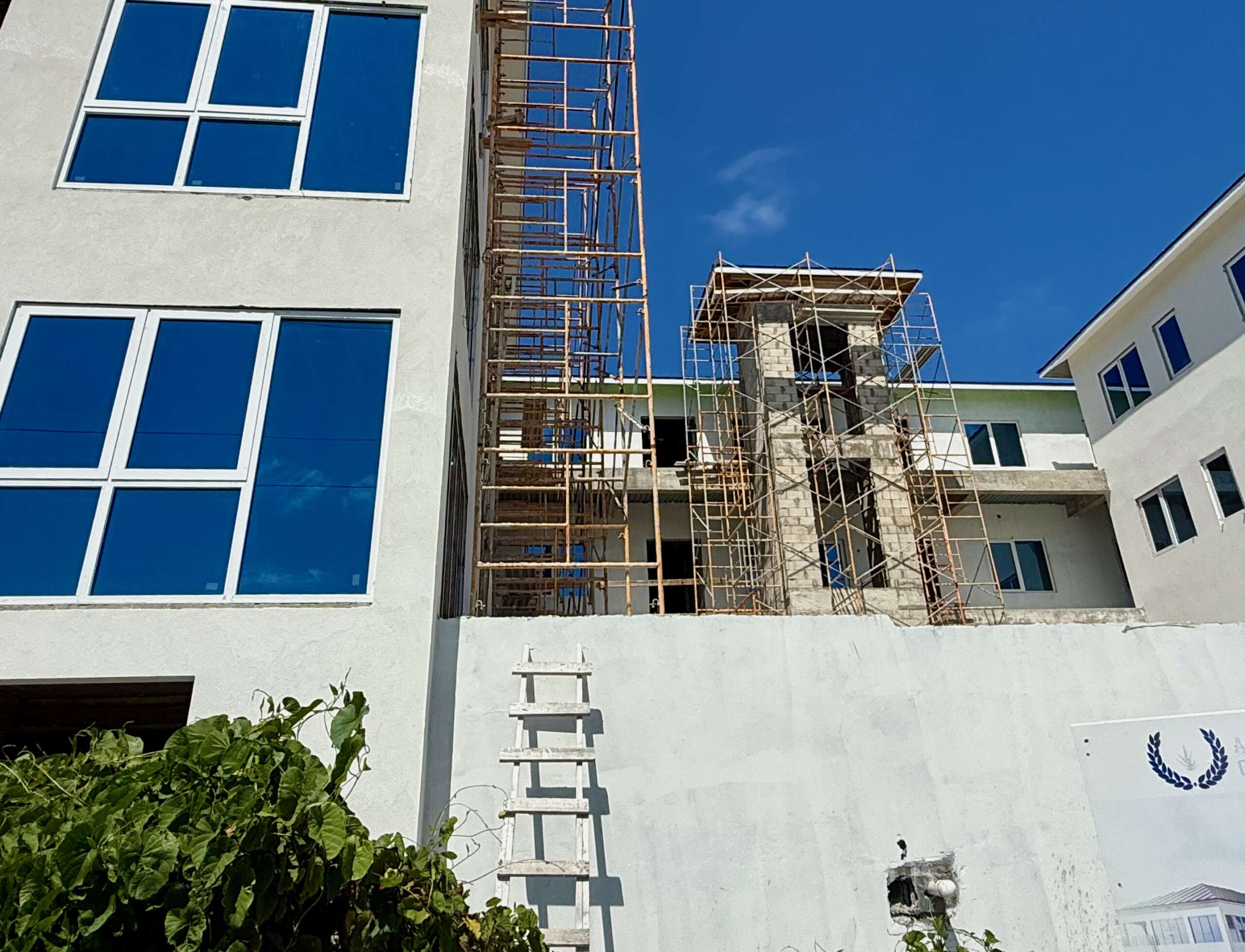
A recent report warns Cayman needs to build thousands of new homes over the next decade or more to catch up with demand from a growing population. The Compass looks at the current challenges for Caymanians in getting on the housing ladder and asks if and how the country can make it easier for people to own a home.
When Darquise Nantel found her first home last year, the thing that first struck her was the big bay windows that flooded the 954-square-foot apartment with natural light.
She also noticed, with relief, the ‘neutral smell’ and the lack of mould.
The schoolteacher had been looking for a year to find a place for herself and her son.
“Sometimes, agents would bring me to these places and I was thinking ‘would you live here? ‘The smell was almost unbearable.”
This one wasn’t perfect. It only had one bedroom, but it was spacious and, with a little creativity, she knew she could make it into a home.
She had a pony wall built so her 12-year-old son had his own space to sleep and change and play on his computer. The apartment was clean, in a nice neighbourhood and, at $360,000, it was within her price range.
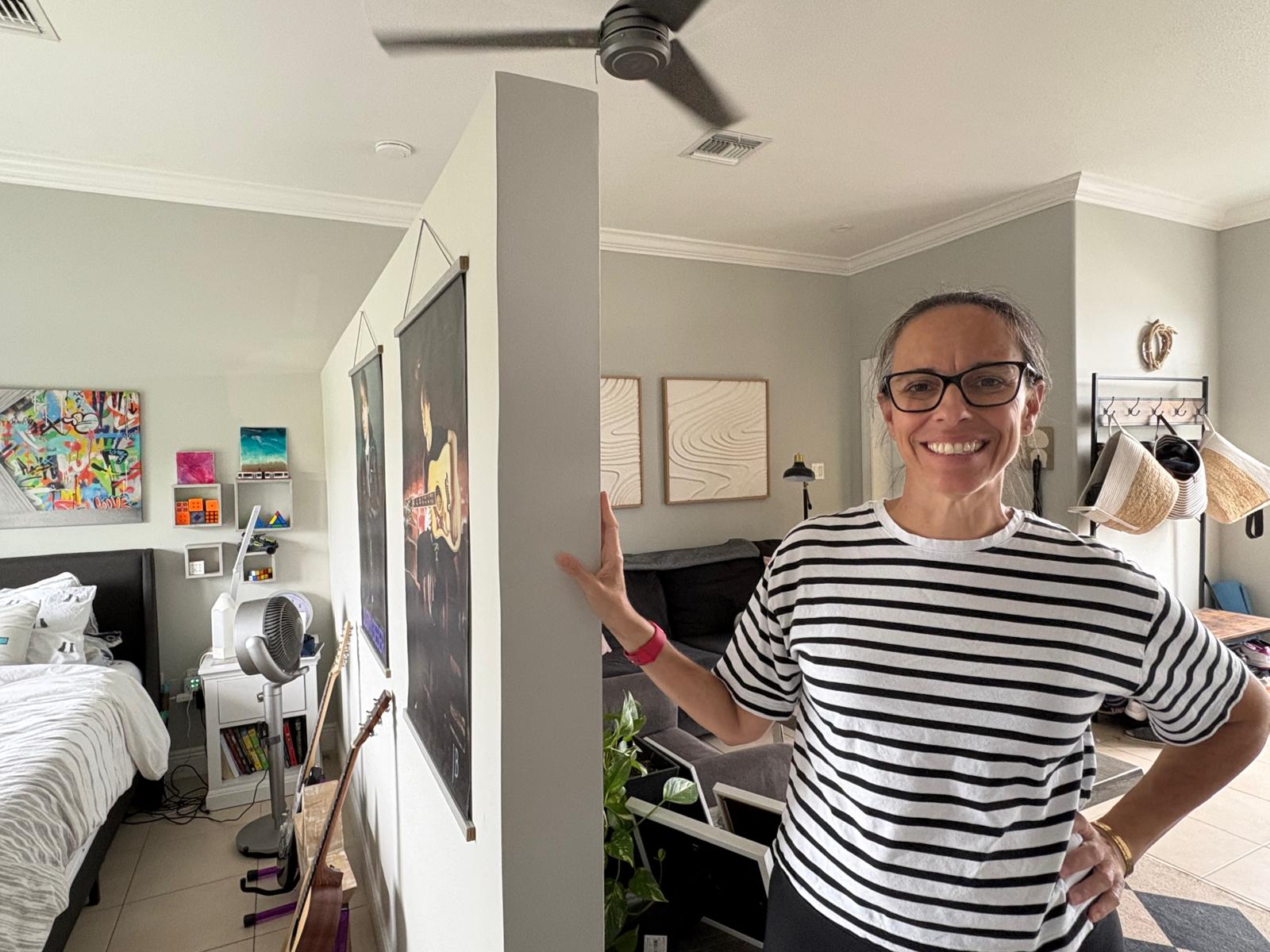
She put in an offer and has no regrets. At 46, after 25 years of working in schools around Cayman, she is finally on the housing ladder.
It was a moment she had not believed possible when a friend first advised her to start looking.
“I said I can’t afford it. Period. I don’t have the money.”
But she had been saving $500 a month through a government Credit Union deduction and tapped her pension to make up to the $36,000 deposit.
The rest was financed through a long-term mortgage.
“I will be paying this off well into my retirement,” she said. “One day it will be my son’s.”
Her experience was, in many ways, typical of new homeowners in Cayman. Sacrifice and compromise were needed to take a modest first step into property ownership.
For many of the buyers that spoke to the Compass for this article, it would not have been possible without the Credit Union, the stamp duty waiver for Caymanian first-time buyers or the ability to dip into their pension for a deposit and closing fees.
‘More homes needed’
New housing developments are popping up all over Grand Cayman, but the rate of building of all types of accommodation has not kept pace with the increase in population.
And the rising cost of land, building materials and labour incentivises developers to maximise profit margins by focusing on the higher end of the market.
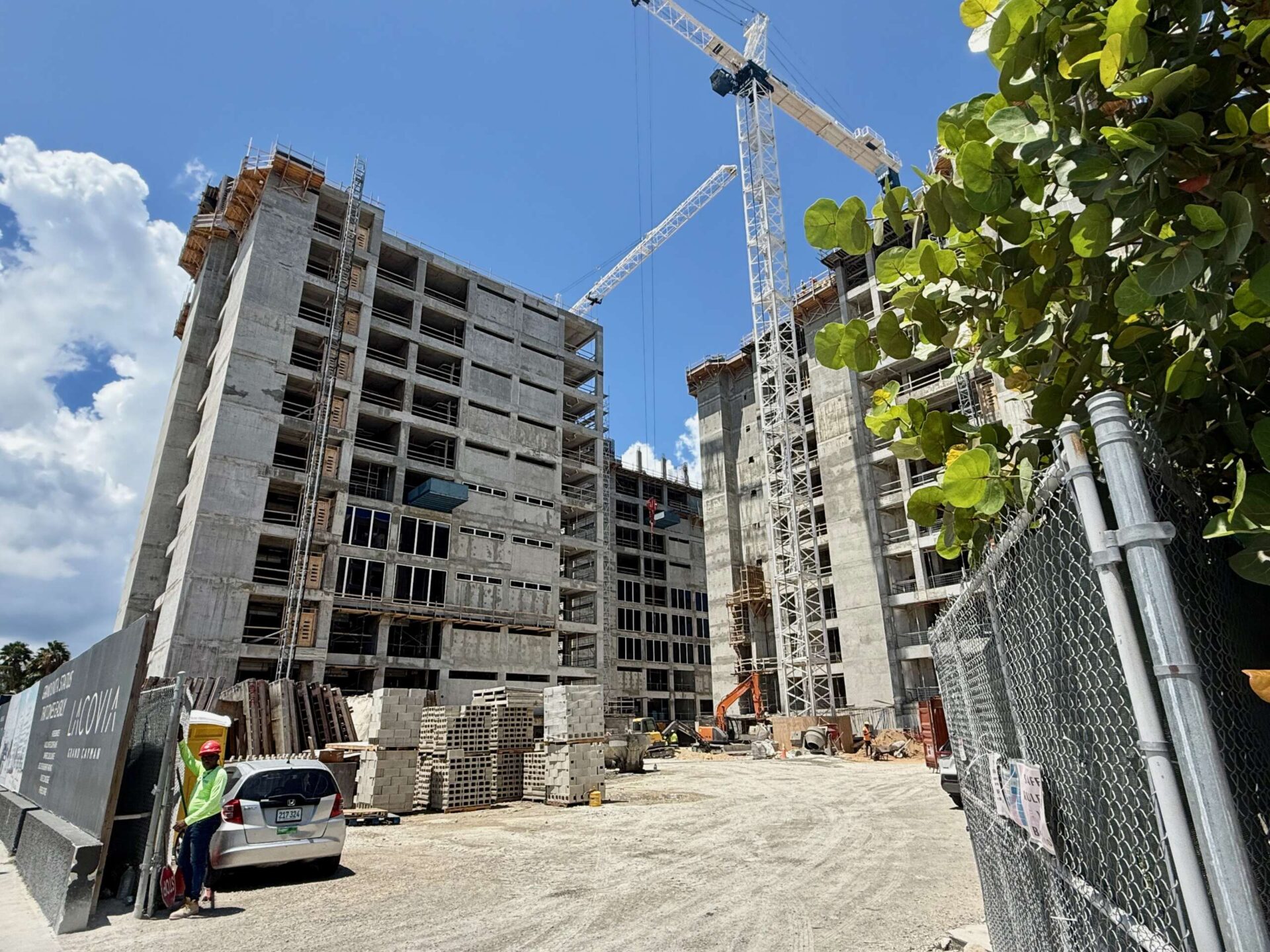
A new government strategic report and 10-year strategy offers an extensive analysis of the situation along with 98 policy recommendations.
But its core conclusion is that Cayman’s housing affordability issue is, like many of Cayman’s infrastructure challenges, a case of the population outgrowing its infrastructure.
“The more people who want – and need – a home, relative to the number available, the higher the price will be,” the report states. “This is simply the rule of ‘supply and demand’ – and in the Cayman Islands, supply is short while demand is high and growing.”
The report indicates Cayman needs to build 2,000-3,000 more homes just to catch up with current demand.
And while some developers and analysts question the size of the gap, the majority were in agreement that the island needs more housing to support its growing population.
Currently, the median apartment unit sells for $814,838 and the median house for $746,154, with the average two-bedroom apartment now priced over $740,000.
Some realtors argue that this is a ‘false statistic’ because of the number of luxury high-end sales that skew those figures.
But even with that caveat, there is little argument about the report’s core conclusion that affording a home on a teacher’s salary in Cayman’s market is a stretch. That goes too for most professional jobs, let alone blue collar work.
In the words of government’s consultants in that 10-year-strategy document, current housing prices are “out of reach” for the average worker and the “dream of home ownership for Caymanians” is being squeezed.
The bottom rung is harder to reach
Alanna Warwick-Smith went into her search for a home in 2020 with her eyes wide open. She had been cleared for $220,000 by the bank and her goal was simply to get on the bottom rung of the housing ladder before it moved above that.
She lived with her parents and made voluntary contributions to her pension scheme so she was not tempted to use the money.
As she searched for a suitable place, she felt like she was constantly chasing the market. She watched prices for the same type of property climb from $180,000 to $220,000.
When she did make a bid on a pre-construction unit in West Bay, she found herself in a bidding war she didn’t have the cash to win.
She wrote the developer a letter instead, explaining that she didn’t have the full deposit in hand but would within 90 days, and that she was “just a girl from West Bay who wants to stay in West Bay”.
The Caymanian developer accepted her offer over a rival bid.
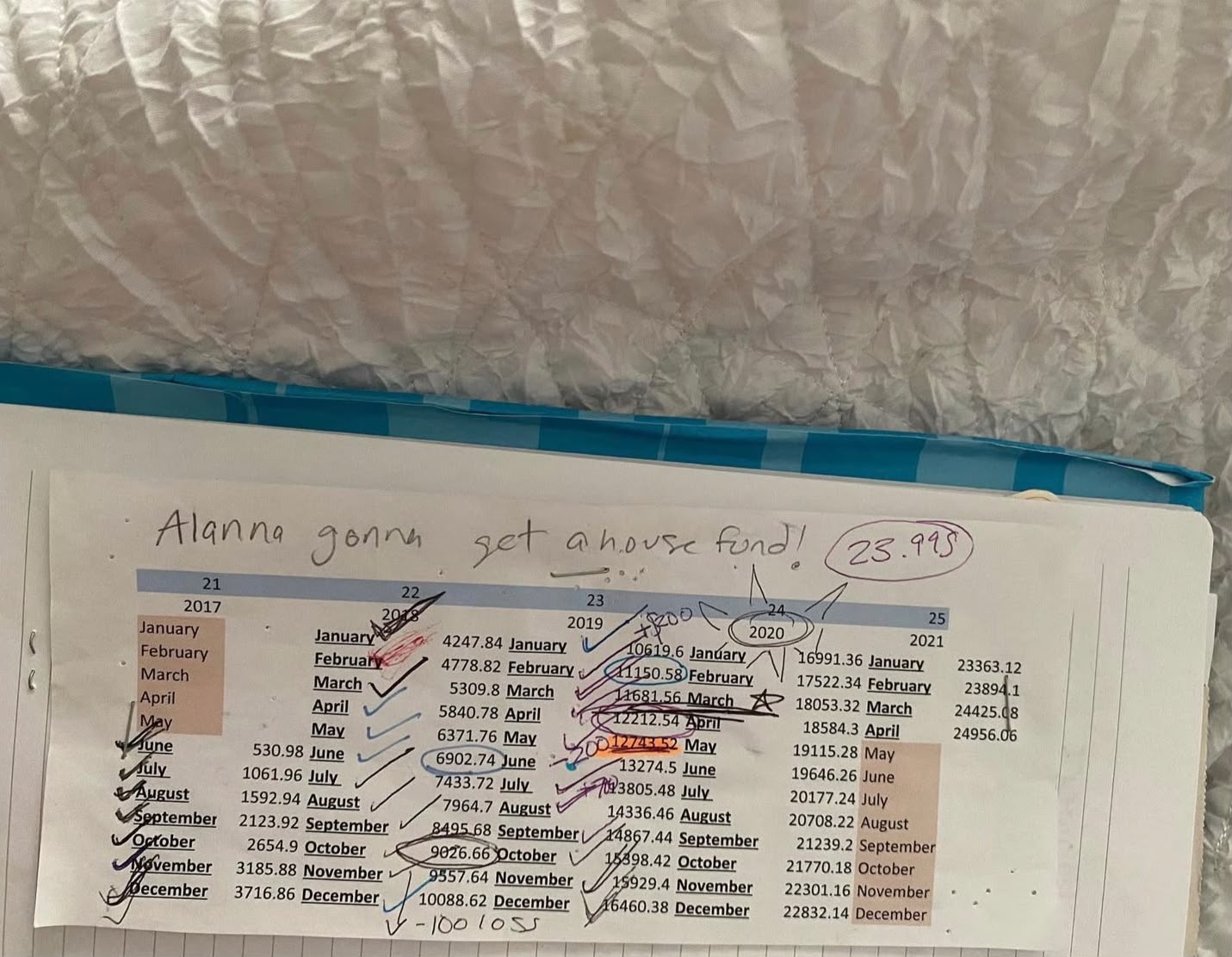
Getting on the ladder was difficult but not impossible, though it did involve a realistic assessment of expectations.
“I think we need to reframe what the Caymanian dream is,” she said. “If I had waited for a house with two bedrooms, two bathrooms and a yard, I would still be living at home. I had to ask myself ‘what is my Caymanian dream and what is available to me now?'” Warwick-Smith said.
She acknowledges her story is not typical within her age group, that it took commitment and good fortune, and that the same opportunity may not exist for someone trying to do the same thing seven years later.
“I cannot fathom what it is like today,” she said.
Dr. Stephanie Schirn returned from the UK to begin a well-paid professional career as a psychologist in private practice. She also lived with her parents for a year before taking the plunge to buy her own place for $450,000. She had been cleared for the loan, but three different banks raised three different sets of problems and she faced a race against time to close within the 45-day deadline to avoid losing her deposit.
Her experience highlights specific challenges for single people applying for a mortgage without a second income to fall back on. One bank demanded an extra $8,000 in indemnity insurance and a locked payment buffer in case she lost her job.
“Each bank found different reasons to have issues with me,” she said. “It felt like, here’s a hoop, jump through it. Okay, great. Now here’s another hoop.”
Though the process was stressful, it had a happy ending. She believes banks could be more flexible and consistent across the board in their requirements.
A mother of one, who asked not to be named, told us she had given up on the idea of owning a home, despite earning a good salary. She currently rents a place with a yard and a pool in a condo complex. Even with a budget of $600,000, she said, she was unable to find anything that felt worth the money.
With strata fees, repair costs and mortgage interest rate debt, she did the calculations and decided she was better off renting.
The construction gap
Construction industry figureheads question the extent of the building gap, but agree more homes are needed.
A senior industry source, who has been involved in multiple mid-range developments, said it was clear that supply was not matching demand.
“Even if I could build a house super-duper cheap tomorrow, the free market will instantly value that home in the $500,000 or more range,” he said.
Changing that is not necessarily in the interests of developers either. Flooding the market with new housing would crash the pricing their business depends on.
His comments echo remarks in government’s housing report that there is ‘no free market reason’ to build affordable housing.
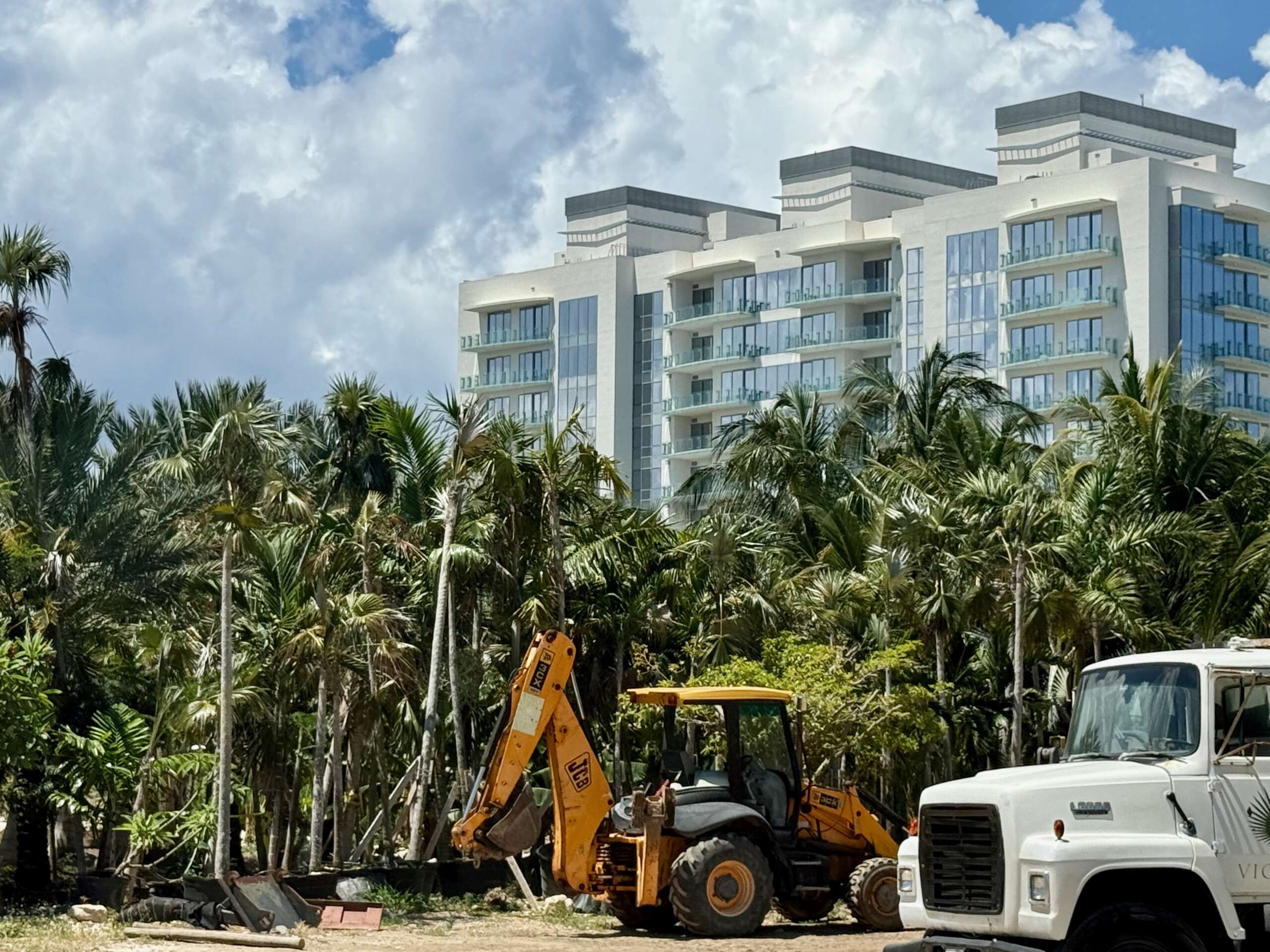
To change that, he suggests, government needs to lower the cost of building and improve the efficiency of the planning approvals process.
Eliminating stamp duty for anyone buying into a new-build development and cutting customs import duty for building materials for housing are two suggestions.
He describes the Building Control Unit process as “beyond broken”, with the slow inspections and approval process causing delays and driving up costs.
“The risk environment for builders is just climbing higher and higher, which makes them build less and build at higher price points,” he said.
Removing those hurdles will make building cheaper and swifter, something that would bring down prices by putting more units in the market, he says. To ensure development is more heavily focused at the lower end, however, he believes government will have to consider some form of subsidy.
“We can’t just wish and pray for homes to magically be cheap. The materials and labour going into them just don’t care what the final product is.”
“Concrete and steel are concrete and steel. The government is going to have to look at the different choices on the table for subsidies or restrictions, pick one or two models, and bite the bullet.
“None of them are perfect, and they all come with some sort of cost. That’s the price of deflating the value of a home.”
The planning process
Architect and developer Eduardo Bernal, who has worked in Cayman for 25 years, said the inspections process through the Building Control Unit had got longer and more cumbersome over the years.
“They are totally understaffed. If they have enough people to go through the normal process of reviewing the plans, we would have no problem. It’s really that simple,” he said.
One suggestion from the report that he believes would help is a system of pre-approved template house plans that developers could build from without going through the full planning and inspection process every time.
He points to a Canadian model in which licensed engineers, rather than government reviewers, carry the liability for residential projects under 5,000 square feet.
He has recent first-hand experience of the challenges of getting a project – albeit, in this case, a substantial development – through planning. The architect is behind an $86 million, 157-unit apartment block called ‘The Eldemire’ on Boilers Road that he says would provide affordable rental units in the capital.
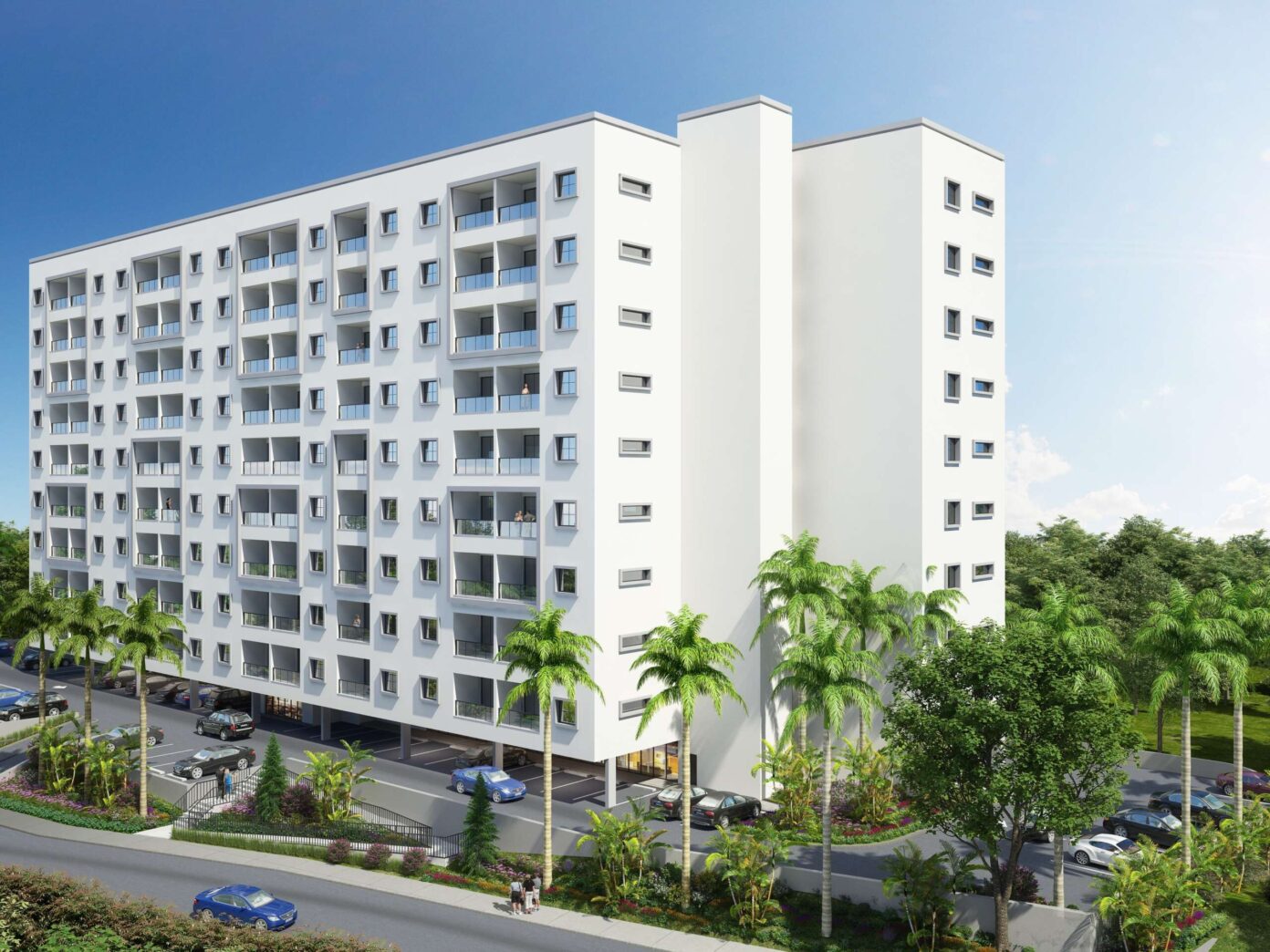
The project, initially rejected last year after Central Planning Authority members cited concerns about the scale of the development, and the impact on parking and traffic, is being reconsidered with slightly amended designs.
Bernal believes the model – a large corporate landlord – aligns with government goals to bring residents back to George Town, to create homes at reasonable prices, and to build higher density, lower-cost units in urban locations rather than on green space.
Density is a contentious issue in Cayman. The government’s housing report notes a general antipathy from the public towards higher buildings. But it warns that this approach is necessary to add homes with less impact on open space.
Bernal supports the concept of allowing a range of mid- and higher-rise buildings in districts of George Town, like Eastern Avenue, where heights are currently restricted to three storeys to provide housing.
Planning regulations make cheap housing tough to build
Jessica Peacey, a planning consultant, said there are a number of barriers to building cheaper homes in Cayman.
She believes a more flexible approach to zoning, removing restrictions on the number of bedrooms per unit, would open up options for mixed communities with more affordable options.
“What we’re currently seeing is, because there’s a bedroom cap, it doesn’t enable a variety of units with different bedrooms to serve different levels of the society.
“In the ideal world, you would have a development that supports young single professionals or couples, a young family, and then all the way through to larger families.”
Currently, there are restrictions in certain zones on the number of bedrooms per acre. In a low-density residential area, for example, the limit is 24 bedrooms per acre.
That’s also been an issue for developers and businesses seeking to build dormitory-style accommodation for their employees.
Peacey also points to a regulation in the planning law that creates a carve out for low-cost housing programmes. That regulation allows for smaller lot sizes with greater density to make housing more affordable, but only applies to government-approved schemes.
There is no clear mechanism, however, for private developers to get that approval, and it has traditionally been applied only to National Housing Development Trust projects, which are almost exclusively single-family homes.
Public-private partnership
There is broad consensus that building housing in Cayman is likely to involve incentives and subsidies for the private sector.
One developer told government’s consultants, “There is no free-market reason to build affordable housing; that’s a social problem that requires a government solution.”
Sam Story, managing director at financial advisory firm Teneo in the Cayman Islands and former head of finance at UK affordable housing developer Wates Residential, believes Cayman could consider adopting a model already in use in the UK as part of the overall solution.
Under the programme, the government contributes land that it already owns, removing a significant development cost.
The developer is then guaranteed an agreed fixed profit margin to build a single housing development containing social housing, shared-ownership units and open-market sale units side by side.
The sales of the open-market units effectively subsidise the cost of the social and shared-ownership housing.
“This is tried and tested in Greater London, and I’ve seen the results first-hand,” said Story, who was involved in numerous such projects in the UK.
He said these types of joint venture partnerships can help create cohesive communities of differing income brackets rather than siloed housing projects.
Developments are typically cost-engineered by maximising usable living space and creating an overall higher density of homes.
Standardising both floor-plan designs and fixtures and fittings across multiple units can also help create economies of scale and drive down costs.
“A common assumption is that such developments might be unattractive. With the right architects, designers and planners, however, these schemes can be designed to be visually appealing, sustainable, and create vibrant and cohesive communities.
“It just needs to be done with a cost hat on, rather than through a profit-maximising lens, as you would do for a luxury development on Seven Mile Beach.”
The financial model underpinning the joint venture is designed to absorb cost shocks without abandoning the affordable units altogether.
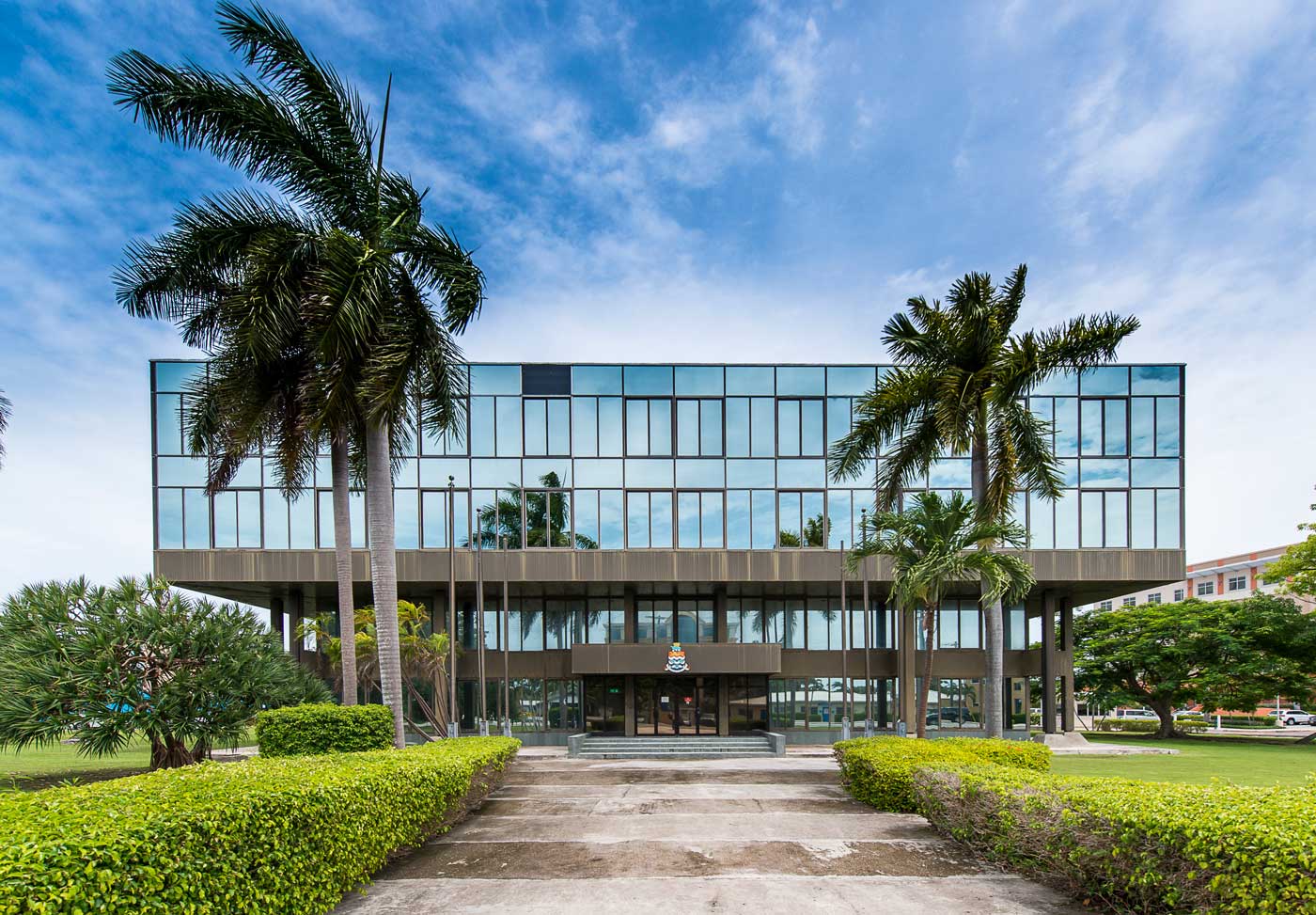
He points to the old ‘Glass House’ government administration building and police station site in central George Town as potential ideal locations for a flagship affordable housing scheme of this kind, given its proximity to jobs and the bus network, reducing the need for space-consuming car parking.
Story suggests that the government may consider further encouraging local developers to partner with them, for instance, by offering duty or work permit concessions and prioritised planning approvals that apply for the duration of the project across all of their developments.
Government has already indicated that it intends to restrict new foreign-owned developers entering the market.
Story suggests that exceptions could be made to the moratorium on Local Companies Control Licences for developers who make significant commitments to delivering affordable housing before being able to commence other projects.
Full action plan still to be announced
While the report is named a ‘masterplan’, what has been publicly released does not include any implementation timeline or strategy.
Government has had the report in hand since it was tabled in Parliament by Housing Minister Jay Ebanks in April. At that time, he told the House the islands are already short by more than 3,000 homes and will need 5,000 more within 15 years.
Ebanks pre-empted criticism of the density increases the report recommends, saying, “Some will say density threatens our way of life. I say density, guided by area plans, protects Caymanian neighbourhoods and keeps families together.”
In a speech to Parliament, he said, housing was not about concrete and paint, but about providing for people.
“It is about Caymanian workers who give everything to this economy and still struggle to secure a place to sleep,” he said.
“It is about the apprentice building a multi-million-dollar home he could never dream of living in. It is about the farmer squeezed into a single bedroom while development rises around him.
“It is about the front-line workers who serve this country day after day yet cannot secure a stable rental.”
- The Compass will have more on Cayman’s housing issue and government’s plan in future editions.
Related Videos









Make a bunch of high rises in east end.
Import subsidies are given to the developers of luxury hotels and condos; why not to the developers of homes priced below a certain level. Restrict the sale to Caymanian citizens for at least 70% of the homes as a condition for the removal of import duties.
Developments of new housing complexes could be mandated to set aside so many units at discounted prices before they get planning permission. They can add the cost of this to the remaining units for which there should still be a demand as many buyers can afford it. Reduced import duties can be added as an additional carrot.
When Government wants to really do something they push it through. Evidenced by the new Immigration rules. There are two possibilities: Government providing Caymanians in need with income supplementation or Government building homes and giving them to Caymanians. Just get on with it and let’s solve this problem. Then we can work on the Dump, roads, airport and the next batch of long ignored issues. These – Housing, protecting Caymanian interests – have never been addressed and continue to be pushed down.