

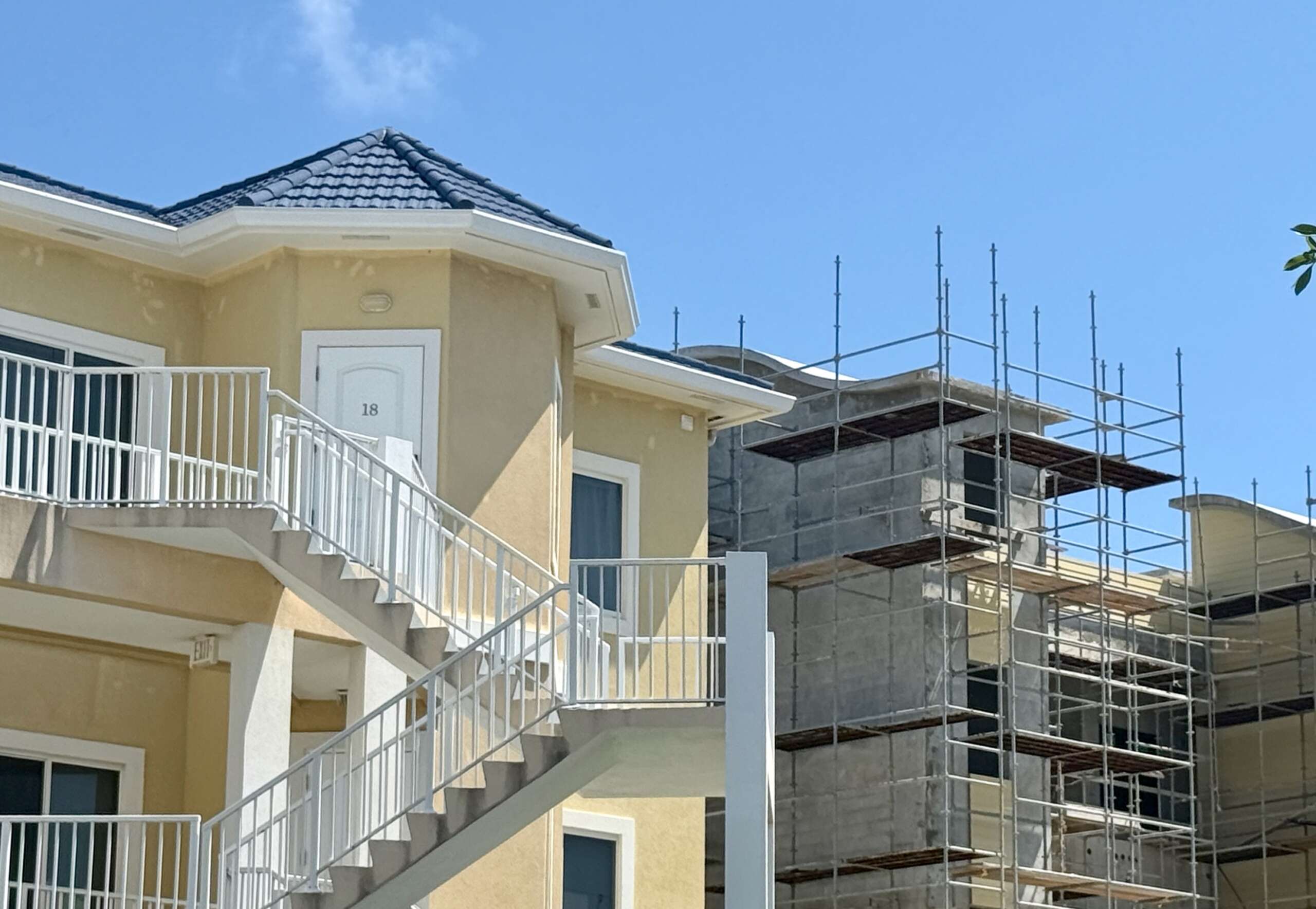
Cayman must triple its rate of housing construction over the next decade just to ‘tread water’ with population growth, a landmark report has warned.
The cost of a two-bedroom apartment has soared to more than $740,000, a price that is simply “out of reach for the average Caymanian”, according to the document tabled in Parliament Wednesday. The rental market offers little respite with the cost of a three-bed apartment in Grand Cayman up to $3,500-a-month on average.
Preventing the crisis from deepening will require difficult and potentially unpopular choices, including a significant increase in home building, a shift away from single-family homes and measures to force the development of land that is currently being held vacant.
Currently, demand for homes is far outstripping supply and existing government policy has made things worse. The private sector is heavily focused on the upper end of the market and there is no incentive to build cheaper homes, the report states.
“There is a severe undersupply of housing in the Cayman Islands, and construction is not on track to meet the shortfall, let alone keep up with continuing demand growth.
“This is undermining the ability of ordinary Caymanians to afford decent housing and will have serious negative consequences for the long-term stability of Caymanian society and economy if left unaddressed.”
The 376-page “Public and Affordable Housing Policy and 10-Year Strategic Plan” was commissioned by the Ministry of Housing and prepared by US consulting firm Public Works LLC.
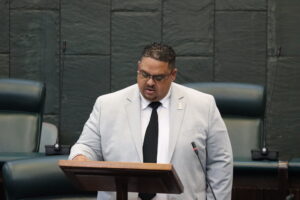
It was tabled in Parliament Wednesday by Housing Minister Jay Ebanks.
He said his core mission in implementing the strategy would be to ensure every Caymanian has access to “safe, affordable and sustainable housing”.
He said, “The Cayman Islands is already short by over 3,000 homes. Our population demands 5,000 additional units within the next 15 years. To close this gap, we must triple affordable construction for the next decade and double it again after that.”
Huge shortfall in affordable homes
Even if the population stopped growing tomorrow, the report warns, it would take at least a decade at current construction rates just to close the existing gap.
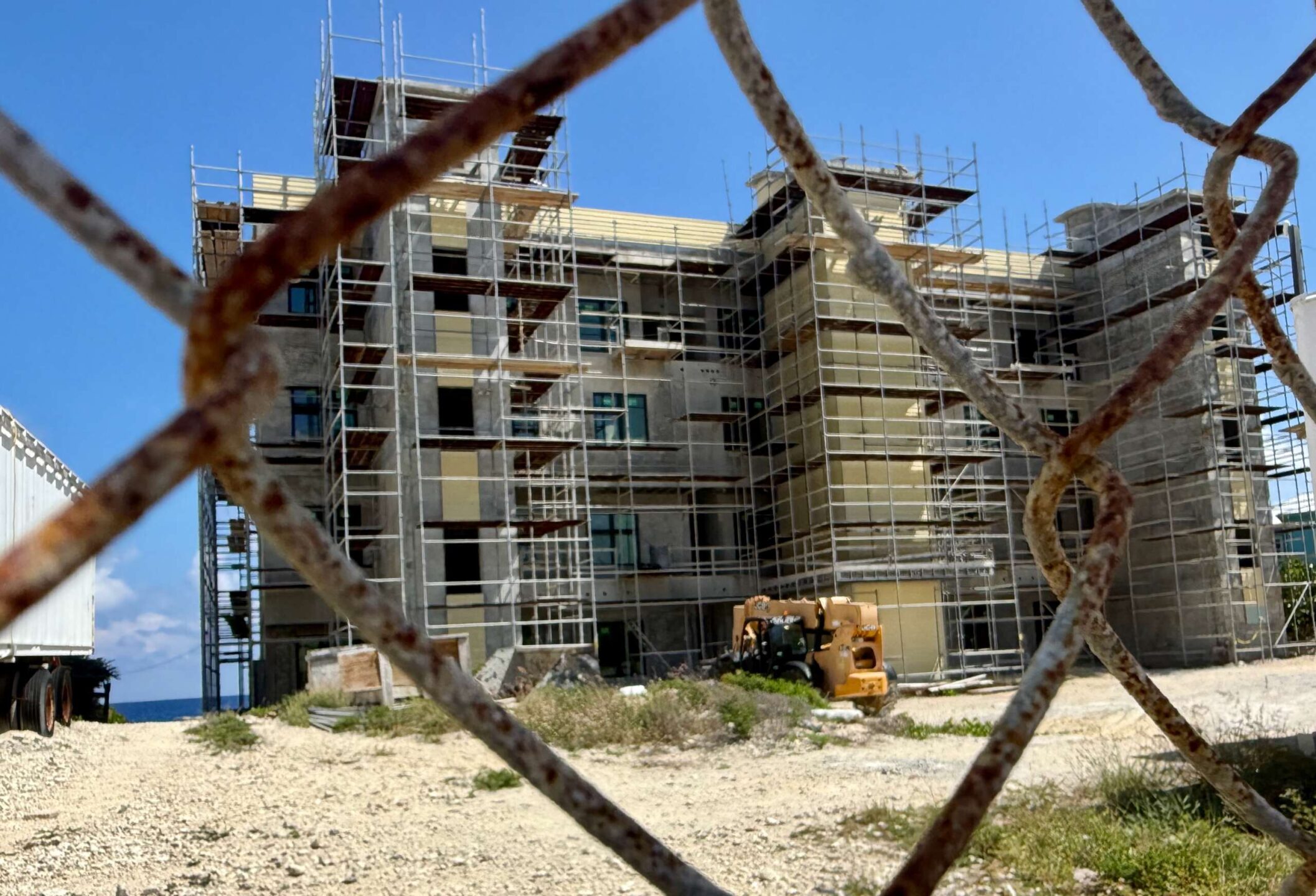
The 2021 Census projected the population would reach 107,000 by 2040. Surging growth since then suggests that number could be reached far sooner.
“Just to ‘tread water’, or maintain the current situation, would require more than tripling the current rate of housing construction,” the consultants stated.
While there is significant construction work taking place all over the Cayman Islands, the report said it is heavily skewed towards luxury residences and tourism.
The report warns that developers are currently not incentivised to build low-cost housing and that any fresh construction spree must be geared towards more affordable methods of building and housing types.
“Even where housing is currently available in the Cayman Islands, it is less and less affordable for the average Caymanian.
“The average home in the country now costs ten times what the average Caymanian earns in a year – and home costs are rising faster than incomes.”
Home ownership unaffordable for many
Setting out the challenges facing Caymanian families, the report states that servicing a mortgage on the average-priced home would require an annual income of approximately $160,000.
The all-in monthly cost of maintaining that home, including mortgage, insurance, utilities and internet, is modelled at $6,362 – nearly double the median monthly salary.
Meanwhile, average monthly rents run from $1,350 for a studio to $3,500 for a three-bedroom unit.
To qualify for a two-bedroom unit near George Town, a tenant typically needs to earn between $60,000 and $80,000 a year.
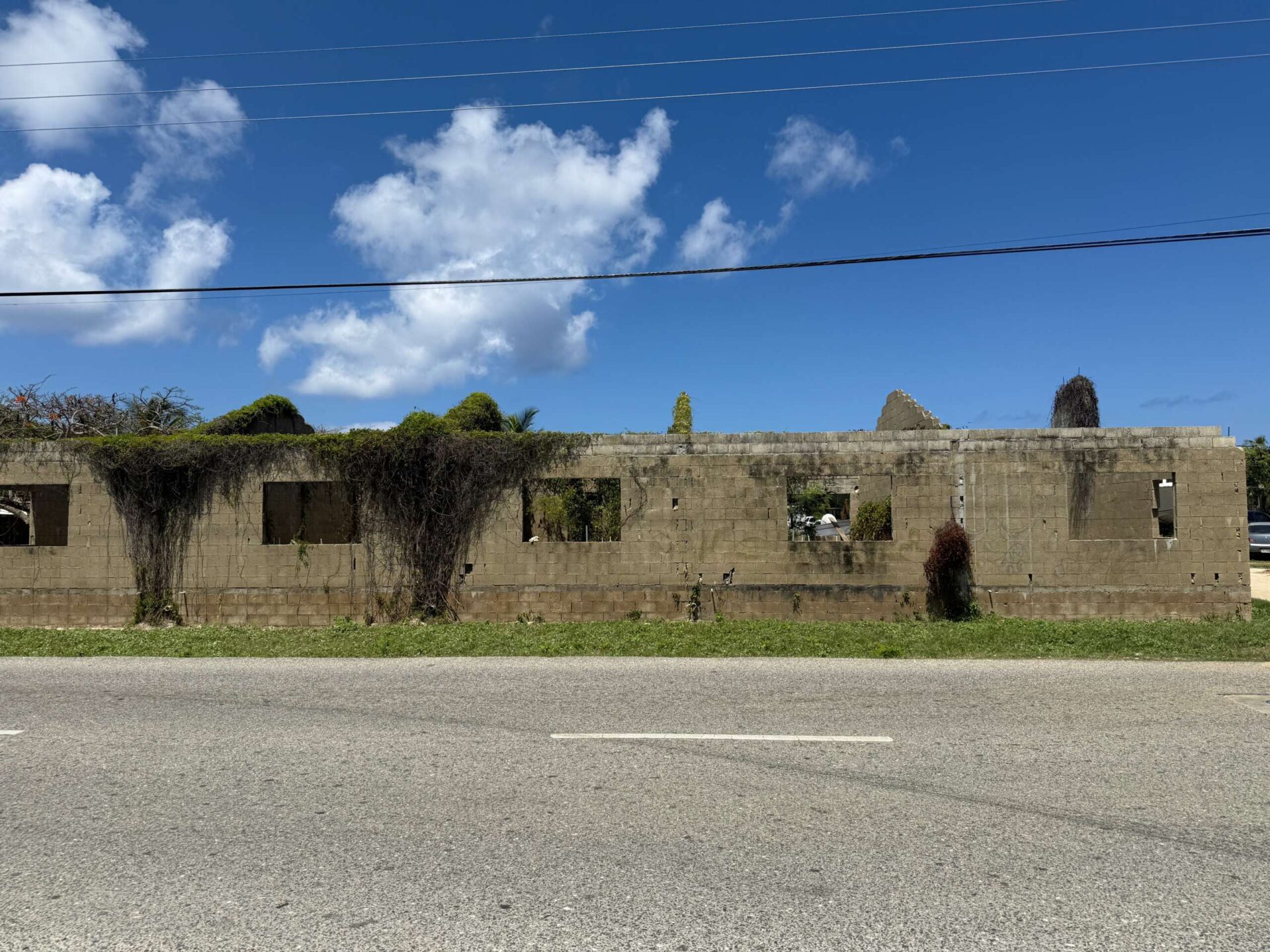
More than half of the 1,216 residents who responded to the report’s public survey said they spend more than 30% of their income on housing, the international threshold for housing stress. Seventy percent of homeowners said they worry about not making mortgage payments and fear losing their home.
Government decisions have driven up costs
The housing affordability crisis is not unique to Cayman. Property prices have surged across the Caribbean and globally in the post-pandemic years.
But Cayman’s economic success, fuelled in part by immigration and population growth, has left the housing market overwhelmed.
“Current policies consciously and affirmatively choose to grow the Cayman Islands’ population significantly, directly increasing housing demand while simultaneously decreasing housing [specifically, land] supply,” the report states.
“All these decisions make housing less available and less affordable. If Caymanians want different housing outcomes, then they must make different policy choices.”
The private sector is not focused on the problem either.
“The housing development industry favours the construction of large, high-end homes, not smaller and denser units accessible to more families because the profit margin is higher,” the report notes.
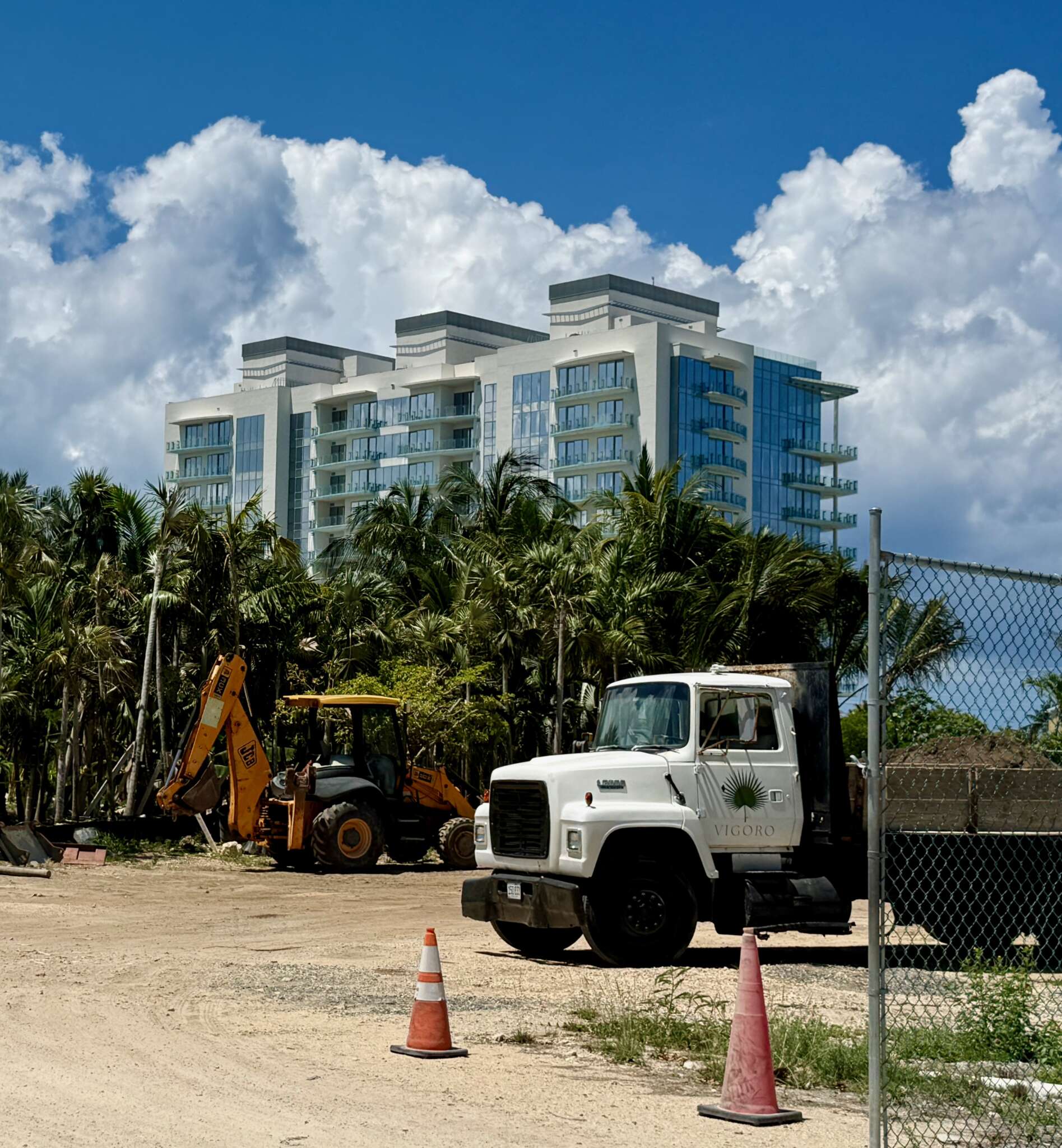
“The real estate industry favours property purchase for speculative rather than development purposes because that’s where the money is.”
One business leader told the consultants, “There is no free-market reason to build affordable housing. That’s a social problem that requires a government solution.”
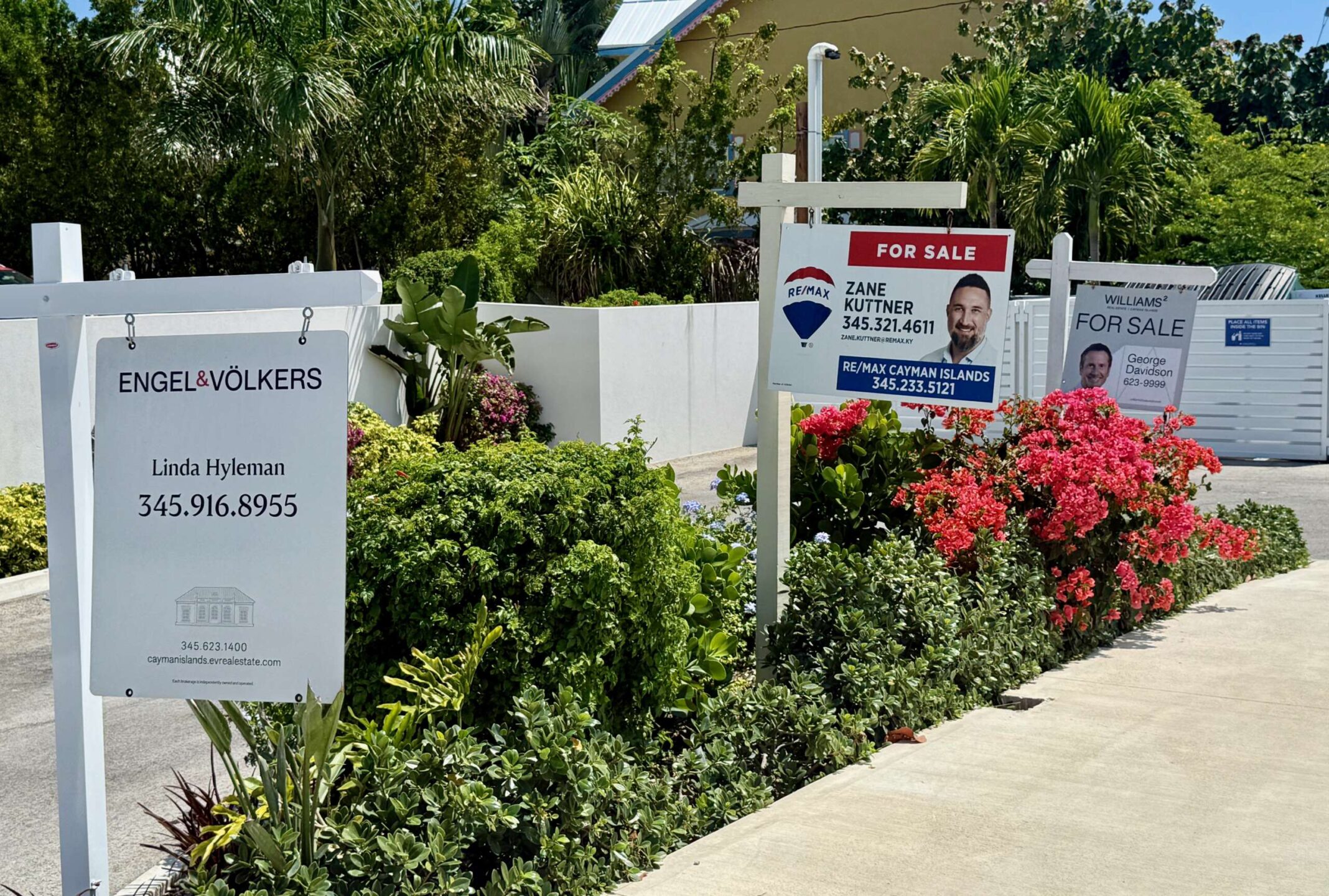
The report includes multiple policy recommendations, including a range of possible incentives – such duty waivers, fast-tracked planning applications and permission to build at greater densities – for developers who commit to prioritising affordable homes.
The need for additional housing construction, particularly higher-density, urbanised construction, conflicts with what Cayman residents reported they want to see.
“The general public is not supportive of higher density housing development, as a matter of both policy and personal preference.
“Whether or not that might change with a public education effort highlighting the unintended consequences of pursuing primarily low-density residential development, this conflict has significant implications,” the report states.
It also acknowledges widespread public concern about the loss of open land to development. But it warns the preference for low-density single-family homes consumes more land.
If the islands continue building low-density residential neighbourhoods, housing alone would consume roughly 40% more land than is currently zoned for development, the authors project.
“The current situation is not sustainable – and not just in the environmental sense, but rather in its most basic meaning: It cannot be sustained.
“The country simply cannot continue to grow significantly in population while maintaining both its traditional housing configuration and conserving its natural heritage.”
Building more homes will not resolve the crisis without parallel investment in infrastructure, the report adds.
“As much as increased housing supply is needed immediately, simply building more homes won’t by itself solve the housing problem in the Cayman Islands because the necessary infrastructure for expanding housing – from roads, sewer systems and water to environmental and sustainability safeguards – are not adequate to support substantial growth.”
The report sets out 98 specific policy recommendations across 10 areas in the short, medium and long term, but stresses building as the only current viable solution.
“In the immediate term, there is only one way to address the unavailability and unaffordability of housing: increase supply by making it quicker, easier and cheaper to build more housing.”
Minister Ebanks, speaking on the floor of Parliament Wednesday, said the report was a response to concerns that home ownership was slipping further and further out of reach for Caymanians.
“Housing is not about concrete and paint. Housing is about people. It is about Caymanian workers who give everything to this economy and still struggle to secure a place to sleep,” he said.
“It is about the apprentice building a multi-million-dollar home he could never dream of living in. It is about the farmer squeezed into a single bedroom while development rises around him.
“It is about the front-line workers who serve this country day after day yet cannot secure a stable rental. It is about the seniors who spent their lives building Cayman and now feel the ground shifting beneath them.”
Five policy recommendations
The report makes 98 different policy recommendations including:
1. Create density bonuses for affordable developers
Developers who designate at least 25% of floor area as income-restricted affordable units would be permitted to build 35-40% more floor area than current rules allow.
2. Scrap the bedroom-per-acre cap
Current zoning limits developments to 24 bedrooms per acre in low density areas, making mid-rise apartment buildings, which require at least 30 units per acre to be viable, effectively illegal in most zones. The report recommends removing the cap entirely.
3. Fast-track planning for affordable projects
Introduce statutory deadlines for planning approvals and allow affordable housing developments with pre-approved plans to bypass the Central Planning Authority entirely when they adhere to the underlying zoning and are not requesting variances.
4. End single-family-only zoning
Eliminate zones that prohibit anything other than detached single-family homes, which currently rule out duplexes, townhouses and small apartment buildings across large parts of the island.
5. Levy on vacant land held by foreign nationals
A fee on residential-zoned land left undeveloped for four years or more by a non-resident foreign national or entity, intended to break up land banking and return idle land to the development pipeline.
Compass will continue its coverage of the “Public and Affordable Housing Policy and 10-Year Strategic Plan,” examining its impact on the housing market, including the role of increased density and expanded development in addressing Cayman’s housing challenges.
Related Videos








I agree with 2, 3 and 4.
2. Scrap the bedroom-per-acre cap. This is even an issue on SMB, where developers are forced to build larger, more expensive condos when they could be building a larger number of smaller, more affodable ones.
3. Fast-track planning for affordable projects. Although I think all planning applications should be dealt with more quickly. It would also be nice if the Planning Dept. picked up the phone when called and/or returned calls when messages are left.
4. End single-family-only zoning.
In addition there should be import duty relief for businesses building affordable homes. Just as there is for those building hotels and luxury properties.
And, of course, fix the traffic jams going to the East of the island, where land is cheaper. Overpasses at ALT and Hurleys roundabouts.
Thank God this report brings out the harsh reality that we are currently experiencing in this country and the cold hard truth that we will see worsen in the future. The recommendations in this report are visionary and must be implemented into government regulations less if we continue to follow the current regulations we are headed into a disaster. We must make adjustments to our way of life here if we are to continue to be a prosperous country in the future. Prosperity for all or should dare to say for those that make an effort to make it a reality for them and their own households. With the current restrictions being lifted, us as developers can reduce the lot sizes and also better utilize the land and build more affordable housing thus make home ownership a reality for many more Caymanians. As a developer I am looking forward to these changes that are absolutely necessary if we are going to market affordable housing. At the current cost of building this is virtually impossible. We have spoken with a few contractors in recent weeks to get an idea of what it would cost us as developers to build some of this type of housing and the prices given ranged from $200. per sq ft to $375. Therefore a 1200 sq ft house at the lowest figure would cost like $240,0000. in the build cost and that does not include the land cost and other fees associated with building a home. I hope this helps to educate the community on why we must get away from the traditional approach to Caymanian homes on sizable plots of land and see why change is absolutely vital to the continued success and prosperity that we currently enjoy in these islands.
Tonie Brown
Garland Development Ltd.
This highlights exactly why smaller government is needed to create a lower-cost society. Allowing the free market to work allows Caymanians (and residents) to earn more, save more, and achieve true financial progress for their families and future generations.
To solve the housing problem in Cayman, we must reduce red tape, scrap outdated zoning restrictions, and make it significantly faster and easier for developers to build. Less government intervention in the supply chain is the only way to organically drive down housing costs.
And removing red tape does not mean abandoning our architectural standards. The status quo has already shown to produce poor results (like the unimaginative green stucco box next to Windsor Village in South Sound, which looks more like a socialist housing block than a proud Caymanian community).
We can do both: fast-track real estate development to increase supply, and enforce design standards to ensure our island remains beautiful for generations to come.
Thanks Minister Jay, for addressing this critical matter, even it may need tweaking. Now, please pay attention, and respond to suggestions submitted directly to you regarding addressing the public bus mess.
Why don’t more people live in East End? Plenty of land to go around. Not everyone can live at the Ritz on Seven Mile Beach.
The situation is going to get worse as long as we have governments who are creating the problem. Planning Department seems to have little guidance from the top and Government is still at a loss what is causing traffic, housing issues, an overflowing landfill and crime? Face it, you are!!! For whom are we developing? For wealthy people who push Caymanians to the brink, hire poor people to serve them and live in poverty on this rich island. Why are we racing all things Caymanian – culture, environment, and precious land to extinction . NCFC I hope and pray that you’ll put some brakes on this unbridled unwanted, unneeded development. You can save the day if you want to!