

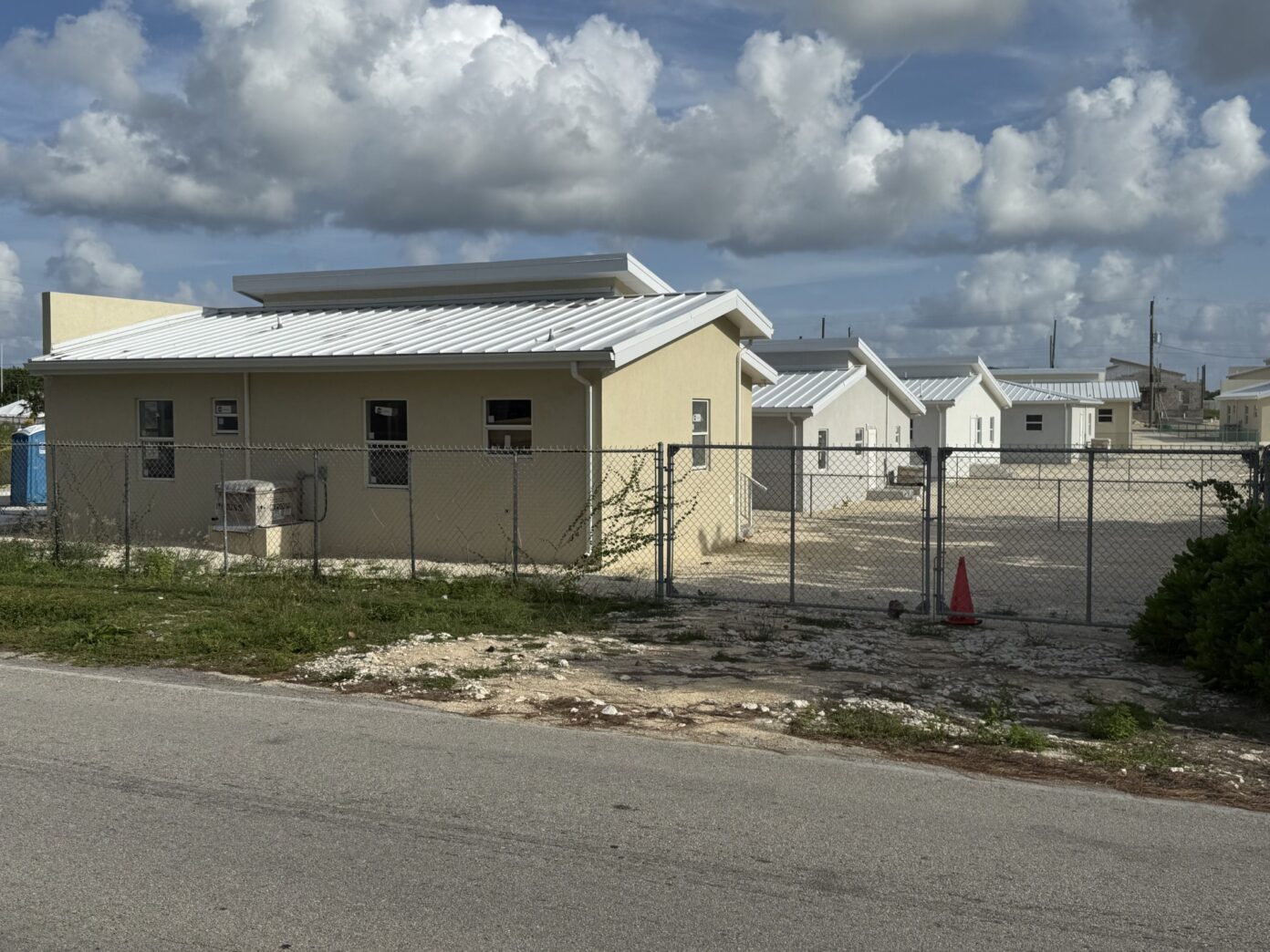
Hundreds of Caymanian families are waiting to move into affordable homes, with some people left in limbo for more than five years, Minister for Housing Jay Ebanks told Parliament.
Ebanks told assembled politicians in the House that as of 30 Sept. there were 1,152 active applications on the affordable housing waiting list of the National Housing Development Trust, representing 2,200 Caymanians.
Five years on waiting list
Replying to a question asked by Deputy Leader of the Opposition Kenneth Bryan, who said that some people had been on the waiting list for “five, 10 years and still can’t get a house”, Ebanks said he didn’t have the average waiting time but admitted that “it goes back past five years”.
The minister added that the priority was now to deal with the situation, saying, “We have to find a way to be able to deliver the homes as quickly as possible. The NHDT (National Housing Development Trust) cannot build ourselves out of this problem that we have. What we have to do is we have to get the private sector to come back and help fill this opportunity that we have here.”
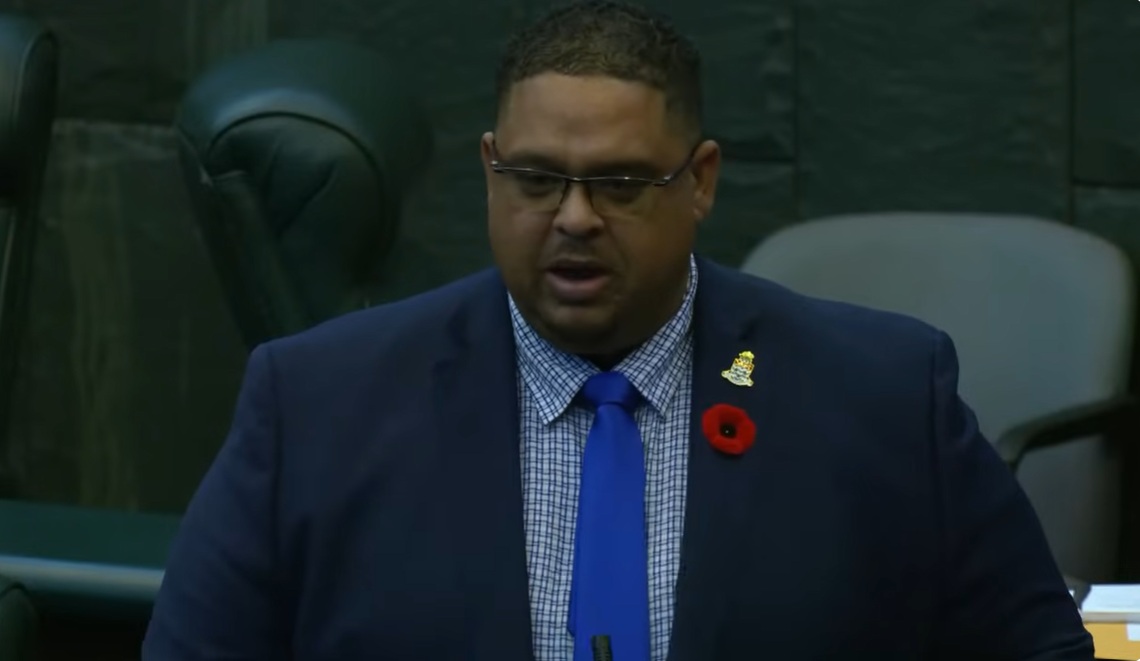
He said that public-private partnerships were crucial in building homes for people in need, and that there was a demand for contractors to help fill the housing gap.
“We know there were contractors at one point in time that were filling that gap that are no longer filling that gap,” he said.
With banks unwilling to approve mortgages in some circumstances, Ebanks said that government was going to have to “play its role” by stepping into help and that after building homes in Apple Blossom, West Bay and George Town, there were plans to roll out homes in Bodden Town, Savannah and East End.
It emerged in July that the affordable housing project in North Side had been delayed as approval was needed for revised designs submitted to the Building Control Unit.
Fifth affordable home handed over
Five affordable homes have been handed over since April’s general election. On 10 Oct. Shanique Lettman became the fifth recipient of keys to her new three-bedroom home at Flamingo Point, North Side, in a brief ceremony held at the trust office.
Present at the handover were acting Housing Minister Nickolas DaCosta and National Housing Development Trust board chairman Mark Scotland, while Ebanks extended his congratulations by phone.
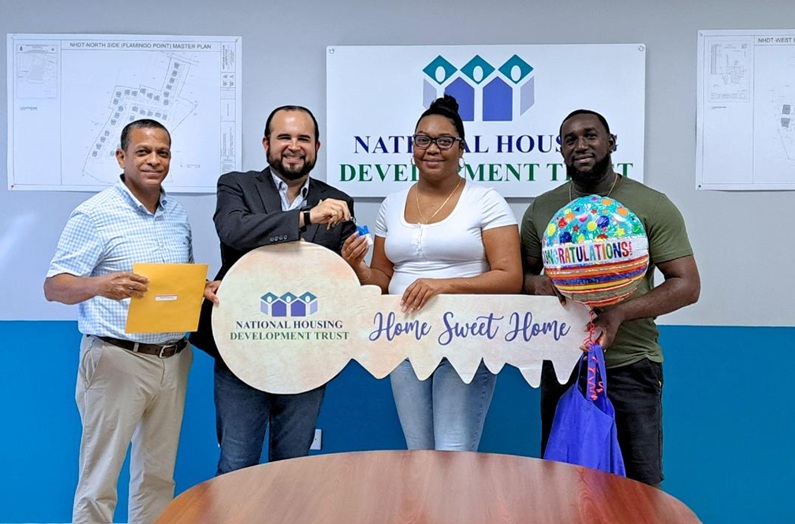
“Every new homeowner represents a meaningful step toward our vision of a more secure and prosperous Cayman,” said DaCosta. “The Ministry and NHDT will continue working together to ensure more Caymanian families have the opportunity to own a home and build a better future.”
The National Coalition for Caymanians administration recently issued its Strategic Policy Statement, which sets out government’s intentions for the next three years. Affordable housing is one of the main priorities, with government promising to “Enhance family stability through increased supply of housing units that are within the financial reach of Caymanians.”
Related Videos











Just curious, what is general the cost of these affordable Caymanian homes. What kind of terms and interest rates are attached to these affordable homes?
There is no need for affordable homes to be single, detached dwellings. Building Semi-detached homes reduces the cost of building. Where possible, say on corner lots, they could build 3 or 4 units on ground level, with 2 of them facing each street. They have to think of ways of reducing costs, which will enable them to build more units. Everyone getting a detached home isn’t cost-efficient.
What is the criteria to qualify for these homes? How does one apply? what is the monthly cost to the new homeowner? do they own the home immediately and can they sell it for a profit? how does this program work?
I would build a ton of high rises in East End and call it a day. It’s not like Kenneth and his crew can line their pockets from affordable housing so why would it be a top priority of the government….
Can anyone put their name on the list?
Are these government owned homes or sold to the new occupant at below market price?
On what terms? Down payment, interest rates? What is the default rate on the loans?
As Sandra wrote above: why aren’t these semi-detached or terrace homes (attached at both sides), townhouses or apartments?
A bold and courageous strategy and action plan is needed. Increase the Taxes on high-end real estate transactions, and use these funds to help to address the housing crisis.
Prior to a Business License being granted, make sure that the business can provide or negotiate Housing for their foreign workers. Tough Love is needed…NOW.
We need levels of housing that provide a safety net and an incentive to work hard and/or work smart. Safety net housing should provide shelter, water, electricity, and space to store some possessions but not much else.
If we follow the idiocy of some socialist nations and build excellent homes that are then given away to whomever is politically expedient then we will achieve the following:
1. Increase the price of all non-subsidized homes, punishing those who do work hard and/or smart but are not yet on the housing ladder.
2. Increase the wealth of existing homeowners, who benefit from the restricted housing supply.
3. Increase the wealth of real estate companies, who can do less work and extract greater profits.
Finally, this strategy won’t even address the housing crisis for the lowest income citizens, because only so many ‘affordable’ homes will ever get built.