

By Compass Contributor Eustache Placide
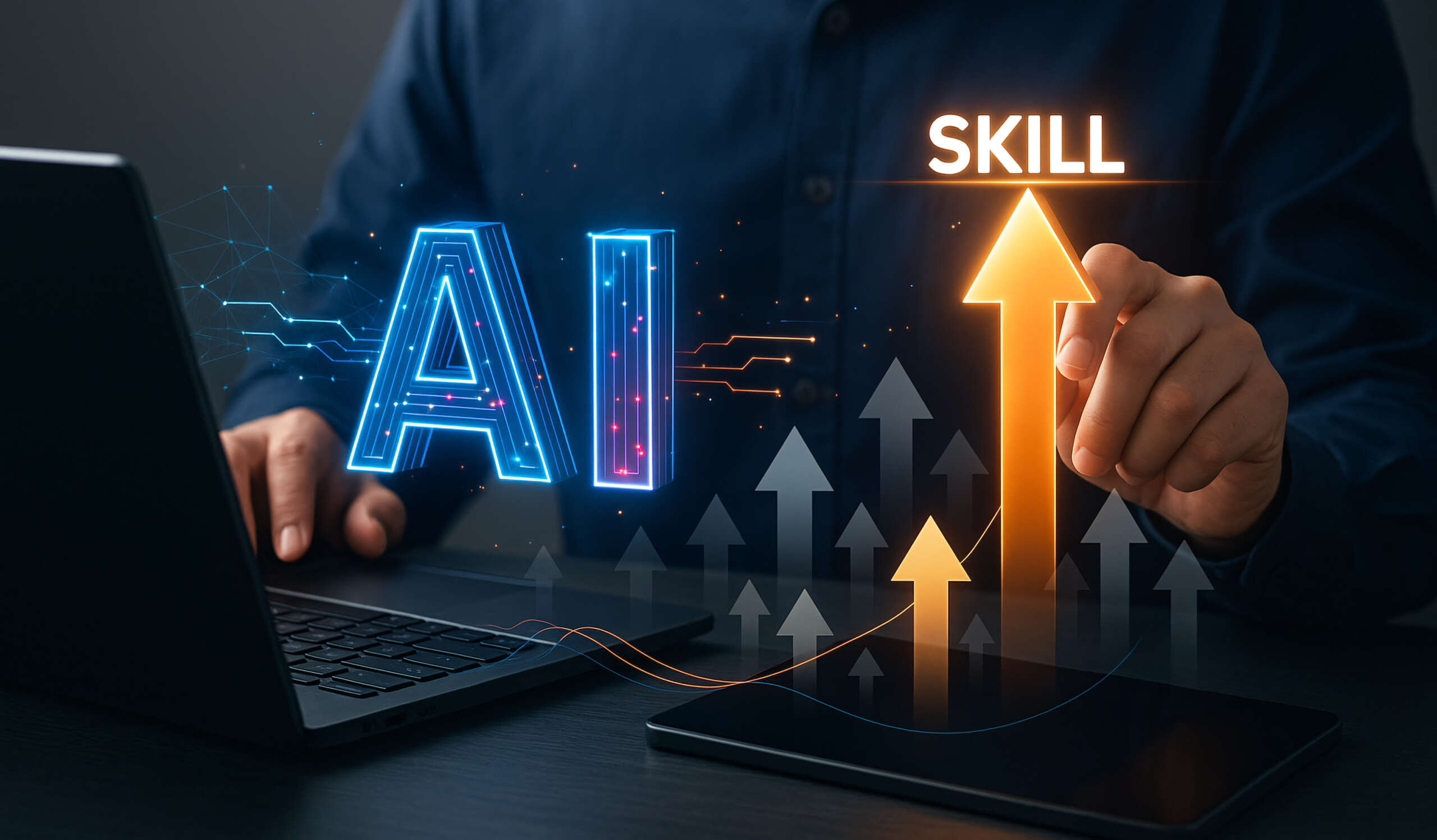
Artificial intelligence – AI – is no longer a distant possibility; it’s already influencing Cayman’s economy and workforce, particularly in finance, compliance and education.
AI literacy grants understanding to input data appropriately, evaluate outputs and use responsibly, thereby enriching national competency.
Without a plan, our young people risk becoming passive users of imported technology rather than leaders who build Cayman’s future.
Having a national AI literacy strategy, spanning schools, universities and the workforce, can turn disruption into opportunity for the Cayman Islands.
Start early, build progressively
AI education should not wait for university enrollment. In primary schools, students can explore data, patterns and problem-solving through coding activities.
In secondary schools, they can engage with AI-powered tools, digital responsibility and discussions of ethics and bias.
At the tertiary level, students should practice prompt engineering, evaluate AI outputs critically and complete applied projects tied to Cayman’s key industries and government.
Learn from pragmatic models
Small nations can move cohesively. Finland’s Elements of AI course has trained over a million citizens in AI basics and Singapore has begun integrating AI tools into its education strategy. Cayman can adapt what fits our own context and scale.
Go beyond “using tools”
True AI literacy requires critical thinking, ethical awareness and creativity. It is not just about clicking buttons. Students should ask: How was this model trained? What data and biases might shape the model’s outputs? When is AI appropriate? Embedding these habits can help learners evaluate, adapt, and innovate with AI, rather than simply absorb it.
Inclusive innovation in practice
AI should broaden opportunities. One innovative initiative I developed used AI- and VR-enabled training to support students with special education needs. Learners practiced workplace tasks in safe, simulated environments, such as computer labs and retail counters, before entering the workplace.
One parent observed, “For the first time, I saw my child believe they could succeed with a safe space to practice before entering the real world.”
This project earned the 2025 Enterprise Cayman Community Impact Award and underscores Cayman’s capacity to innovate locally in how technology is applied. This shows Cayman has the talent to contribute meaningfully to shaping technology.
Develop an AI education strategy
A practical Cayman-ready plan for AI education could include:
- Introducing AI literacy in schools: problem-solving and digital citizenship in primary; applied projects and ethics in secondary; sector-relevant capstones in tertiary.
- Offering micro-credentials like stackable certificates for mid-career professionals in the private and public sectors.
- Aligning education and policy by blending ethics, equity and innovation into strategies so ministries, schools and employers move in the same direction.
- Building industry partnerships by co-designing training with employers and UCCI to ensure graduates leave with skills employers need.
- Ensuring equity by guaranteeing access to devices, connectivity and inclusive tools so AI narrows opportunity gaps.
From disruption to leadership
The Cayman Islands stands at a crossroads. With conscious investment in AI literacy, starting in schools and extending through universities and the workforce, Cayman can reduce its reliance on external expertise and grow local capability.
Cayman can position itself as an example of how a small nation approaches ethical, inclusive AI adoption.
The opportunity is real and the path is clear. Let’s move together.
Eustache Placide is a professor of computer science and artificial intelligence at the University College of the Cayman Islands. The views and ideas expressed in this article are solely those of the author and do not necessarily represent the positions or policies of UCCI.
Related Videos












The CIG should seriously consider implementing AI across the Civil Service and SAGCs.
With past and ongoing public projects going over budget and schedule(s); with senior public servants failing to negotiate major contracts, costing the public purse; with senior public servants “negotiating” dubious contracts, costing the public purse; with laws having no enabling regulations for years; with costly professional recommendations being shelved because they’re “too difficult” to implement, etc., etc., the application of artificial intelligence could only be a plus!