Almost half of those who requested that their criminal records be expunged had their applications approved last year, the Cayman Islands Expungement Board reported.
In 2024, the board received 55 such requests, a slight increase on the annual average of 48 applications. Of those applications, 23 people were declared eligible and approved for their records to be expunged.
The board was established in 2018 to oversee the process where people with a criminal record can ask to have it expunged to increase their chances of employment and overseas travel.
Said the board in its annual report, “Expungement process has proven to be a progressive way to permit persons to close a chapter on a past error of judgment. Employers may be hesitant to employ people with a criminal record, criminal convictions can prevent persons from holding specific professional or occupational licenses, or even prevent overseas travel for medical or leisure purposes.
“Therefore, persons whose records are eligible to be expunged have the ability to pursue a variety of opportunities that may not have been available to them previously.”
Certain crimes are not eligible to be expunged, such as murder and other serious offences against the person, offences relating to firearms or those relating to the care and protection of children and vulnerable people. Some professions require the disclosure of expunged records such as in law, medicine and education.
‘Genuine second chance’
Tabling the board’s annual report for 2024 in Parliament, Minister for Home Affairs Nickolas DaCosta said many of the successful applications had “shown real commitment to turning their lives around by taking part in rehabilitation and reintegration programmes. This means that 23 people now have a genuine second chance and can move forward without the stigma of a past conviction.
“This will allow them better opportunities to gain employment, support their families and contribute positively to our community.”
He added, “This is what the expungement process is truly about – restoring hope, promoting rehabilitation and strengthening social inclusion. It is about recognising that people can change and, when given the opportunity, many will use that chance to build better lives for themselves and for those around them.”
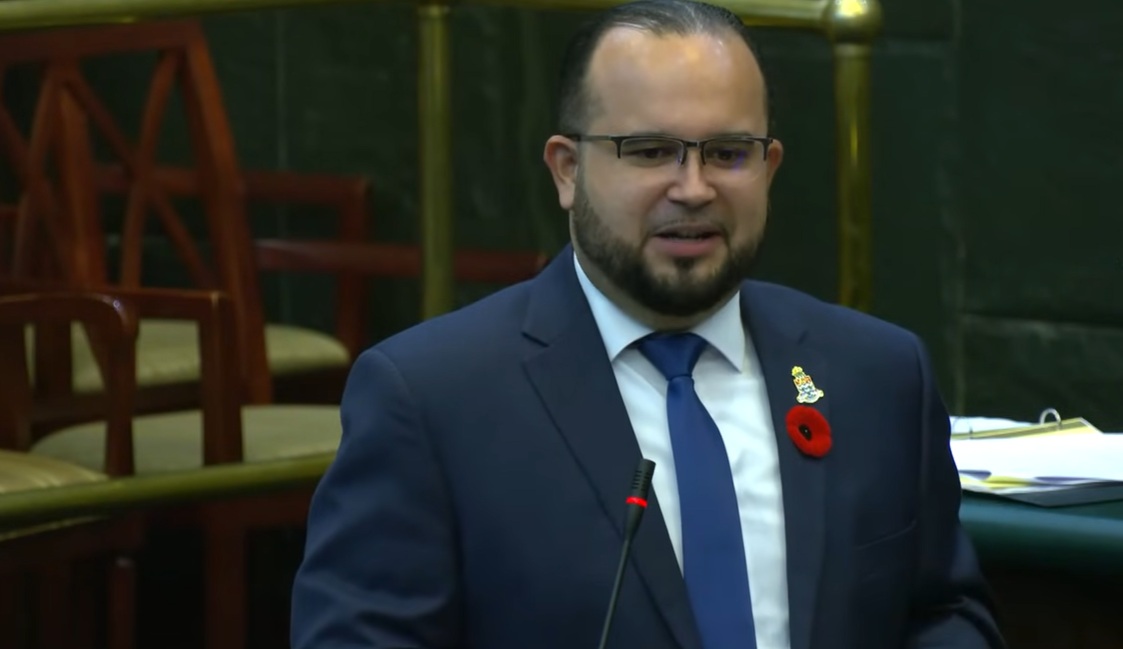
He commended the work of the expungement board in “advancing rehabilitation, promoting second chances and helping to build a stronger, safer and more compassionate Cayman Islands.”
The annual report showed that three approved expungements were for convictions with sentences over five years: wounding with intent, possession of ganja and possession of cocaine. Other expungements were for convictions that carried shorter sentences, including consumption of cocaine, common assault, selling lottery tickets, disorderly conduct and misleading the police.
Related Videos