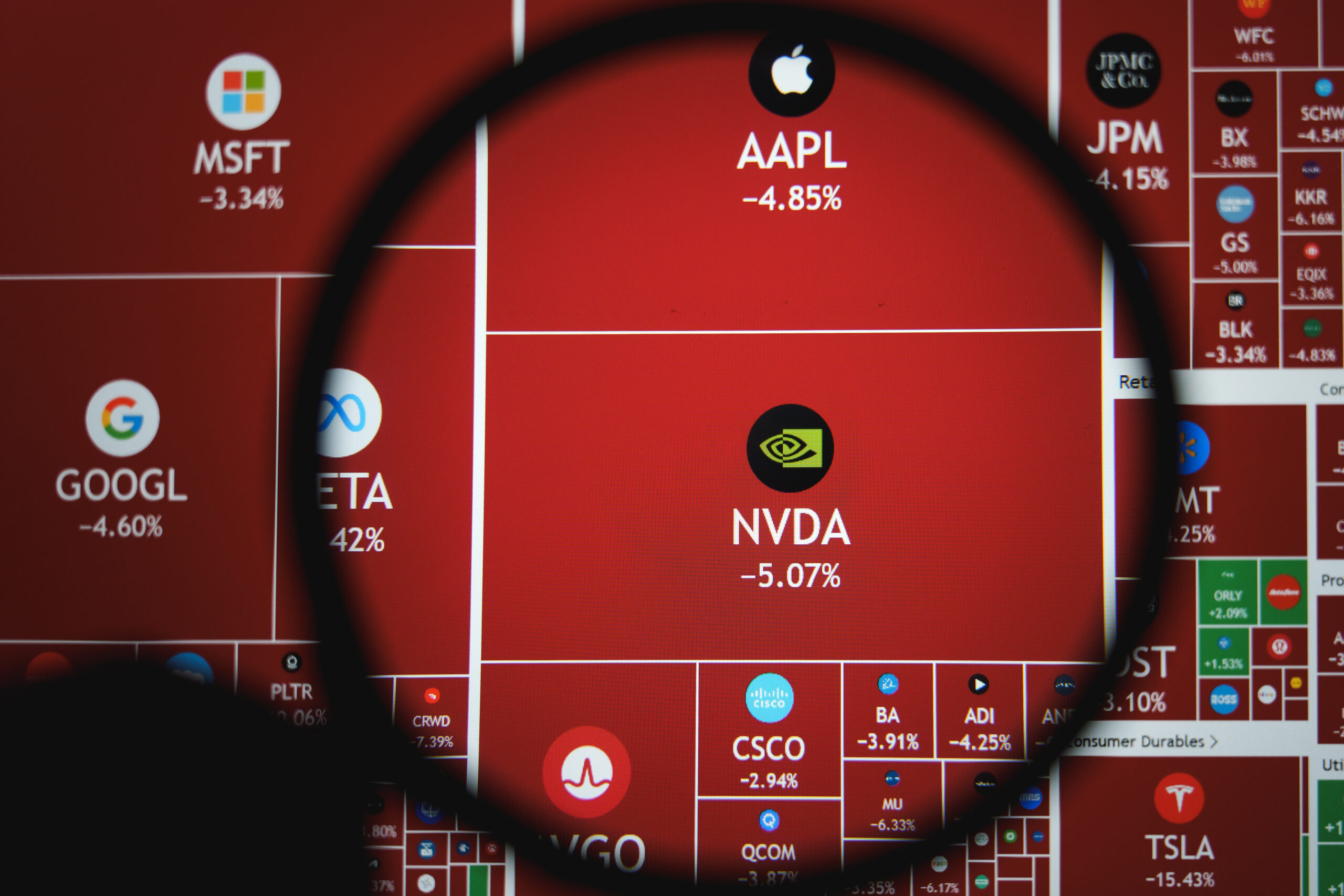
 Anyone following markets will be aware of the ‘Magnificent 7’. Apple, Alphabet, Amazon, Microsoft, Meta, Nvidia, and Tesla now account for 35% of the S&P 500 and the US market is the most concentrated it has been in 60 years.
Assessing the sustainability of such dominance means asking: What makes a company magnificent?
Competition is for losers
In a provocative 2014 essay titled ‘Competition is for Losers’, entrepreneur Peter Thiel suggested that “every business is successful exactly to the extent that it does something others cannot”.
Earlier research on competitive advantage focused on either being the lowest cost producer or having a differentiated product. The mentality in Silicon Valley has focused on providing a product or service that is differentiated from competition. In the words of Peter Thiel, “If you want to create and capture lasting value, look to build a monopoly.”
A determined attention on monopoly power at the Federal Trade Commission helps explain why many Silicon Valley entrepreneurs backed a Trump presidency. We have seen a subsequent shift in emphasis away from breaking up large technology companies.
Google has been accused of monopolising the search engine, but in a ruling earlier this year, the company avoided being broken up. The stock rose 9% on the day of the ruling.
Moats and margins
Apple has also been accused of exploiting monopoly power, but this is a reflection of success. Apple has built a range of ‘magnificent’ consumer products. Apple founder Steve Jobs once said, “People don’t know what they want until you show it to them … our task is to read things that are not yet on the page.”
This culture of innovation drove success, but new innovation has become incrementally harder.
Apple’s success in creating great products has allowed it to generate profit margins well above technology hardware peers. Consumers and businesses are prepared to pay a premium as they value the quality of the products. Apple has created an ecosystem that has helped generate recurring revenue and made life easier for consumers, for example, when transitioning to a new device.
Competitive moats and attractive profit margins are a common attribute among successful businesses, but they are not easy to maintain.
Network effects
Network effects mean, as platform users grow, the competitive advantage improves. Amazon benefits from its network matching buyers and sellers, but in social media, it is key.
Meta owns Facebook, Instagram and WhatsApp, and has been a huge beneficiary of network effects. More people posting makes the platform more attractive to advertisers, while more people using WhatsApp makes it more difficult for users to move away.
The art of reinvention
Jobs returned to Apple in the mid-1990s to help reinvent it. Microsoft also suffered from a slowing in PC markets, but its pivot to a cloud-centric strategy was the catalyst for a revival. Azure became the second largest cloud platform, and Office products moved to a subscription basis. The stock price has benefited, with the price-to-earnings ratio rising from 15x to 28x over the last decade.
Amazon is famous for the retail platform, but has also benefited from its investments in cloud technology. Amazon Web Services was initially built as an internal platform, and the rollout was met with scepticism in the market. Founder Jeff Bezos once noted that “we are very comfortable being misunderstood … we have had lots of practice”. When Amazon had challenges with logistics, it built a logistics network and improved its fulfilment centres.
Only the paranoid survive
Intel CEO Andy Grove once remarked that, in the technology industry, “only the paranoid survive”. This mentality helps explain the huge increase in spending on artificial intelligence. Companies want to be at the forefront of AI and not disrupted by it. Services like ChatGPT were initially seen as a big risk for Google search, but Google was early in the AI race with its 2014 acquisition of DeepMind. The latest version of its AI model, Gemini, has been widely praised. The share price has reflected a more sustainable resilience.
Acquisitions have been important. Facebook saw the threat of Instagram, so bought it for only $1 billion in 2016. Google’s purchase of YouTube in 2006 was also a visionary move given the shift to video.
Nvidia has created a cutting-edge semiconductor and software platform, but even that now faces competition from customised hardware solutions. History is littered with companies that were once considered ‘Magnificent’. Kodak, Blockbuster, IBM and Intel are just a few examples. Companies like Boeing and GE have fallen from grace after emphasis shifted away from engineering to financial metrics. GE has since seen a successful turnaround, while Boeing is in the process of rebuilding.
Cloud computing and online retail/social media have enabled companies to reduce costs of technology hardware and physical shops. AI could also drive significant business efficiencies. The ability of the Magnificent 7 to dominate industries and grow earnings at such scale has been remarkable. Software has been highly scalable, but AI requires expensive hardware. Great products/services, network effects, innovation, acquisitions and the ability to attract talent will determine whether this can continue.
Nicholas Rilley, CFA, is an investment manager and strategy analyst at Butterfield Bank (Cayman) Limited.
Disclaimer: The views expressed are the opinions of the writer and whilst believed reliable may differ from the views of Butterfield Bank (Cayman) Limited. The Bank accepts no liability for errors or actions taken on the basis of this information.
Related Videos