

Cayman isn’t alone in the world when it comes to implementing stronger immigration controls. With Cayman’s first major change to its immigration law in more than a generation recently passed in Parliament, the Compass compared the new provisions in the law with some of its major small-island jurisdiction competitors.
The National Coalition for Caymanians government made the biggest changes to immigration policy in years, which it said were designed to protect Caymanian employment and make it harder for people from overseas to acquire residency and status. Some of the key changes included:
- Work permit holders who leave their job in the first two years will have to leave Cayman for at least a year before they can apply for another job in the country
- The residency requirement for Caymanian status was increased to 20 years, or 15 years for spouses of Caymanians
- The minimum income threshold for non-Caymanians with dependents went up from $3,500 to $5,000 a month, with an extra $1,000 a month for each dependent, up from $500
- Workforce Opportunities and Residency Cayman was given more investigative and data-sharing powers and increased authority over Caymanian status and permanent residency decisions
The position in territories with similar economies and challenges varies, although many have made changes in response to concerns.
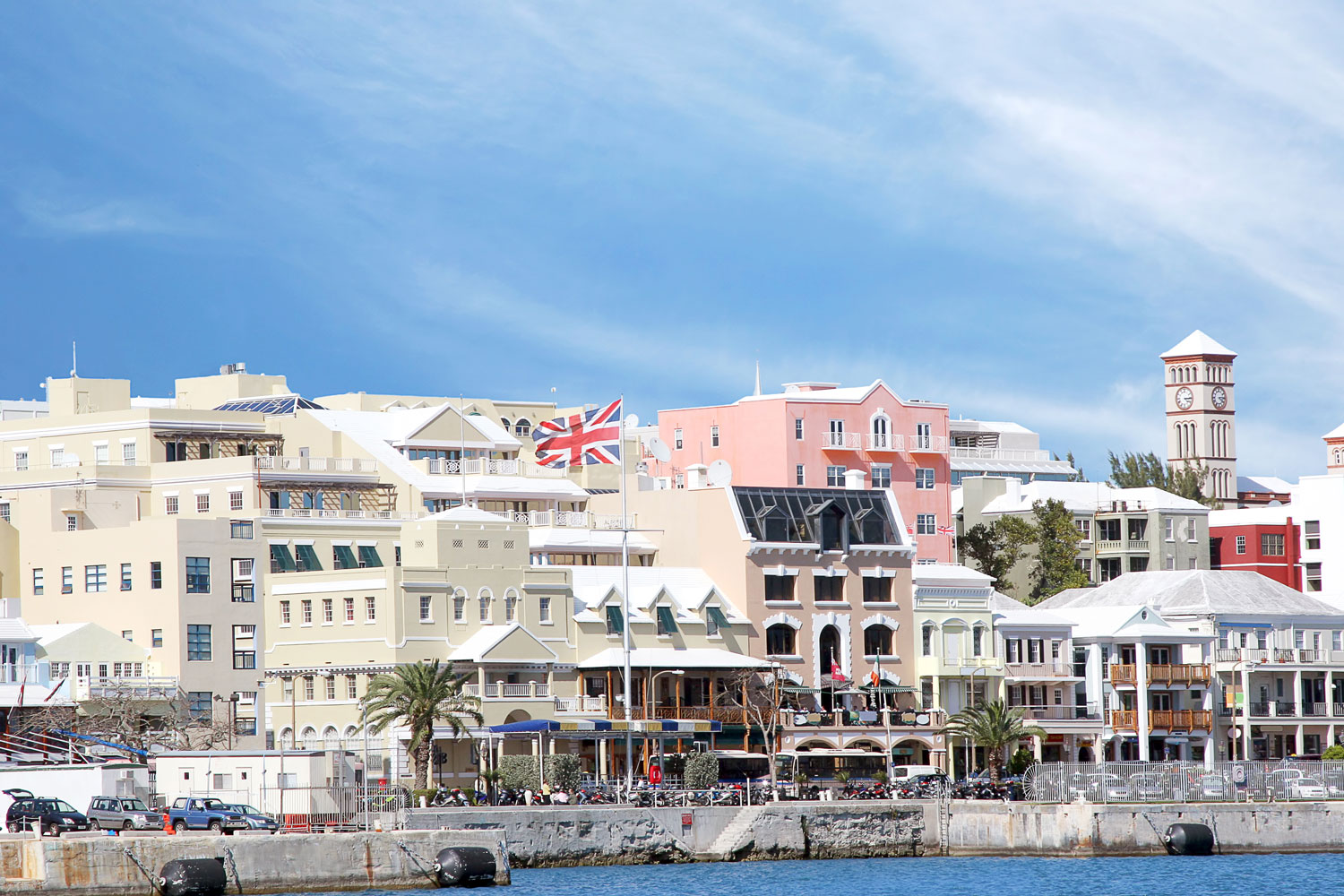
Bermuda, the closest to Cayman in terms of size and economy, has tightened work permit policy under the Progressive Labour Party, which has ruled the territory for most of the past 27 years.
Work permit holders who leave their jobs in the first two years must leave the country and cannot apply for another job in Bermuda until the original work permit has expired.
The country also has a 40-strong list of ‘closed category’ jobs in which work permits will not be granted, which include roles such as general bartender, bank teller, general labourer and security guard.
Restricted category roles, which have more stringent work permit regulations, include electrician, kitchen porter and waiter/server.
The Economic Investment Residential Certificate programme gives residence rights to people who invest BD$2.5 million in property, business or other areas.
Family support rules
A work permit holder with a non-working spouse and child counts as two dependents and needs a minimum income of BD$100,000 a year. The Bermuda dollar is pegged to the US dollar on a one-to-one basis.
The permanent resident certificate qualification period is at least 20 years, including the two immediately before application. Children above school-leaving age and spouses of certificate holders can also apply, even if they have not fulfilled the 20-year residency qualification.
The Bahamas, a former British territory that gained independence in 1973, will give citizenship to people who have been legal permanent residents for at least 10 years.
Permanent residence for people with no family connection to the country needs a minimum investment of B$1 million, with the Bahamian dollar evenly pegged to the US dollar, in real estate or government bonds. Both must be held for at least 10 years.
Some job categories, such as police and prison officers, teachers and nurses, can get permanent residency after 10 years.
Other professions, such as doctors, ministers of religion and people who have held work permits for more than 20 consecutive years, can also get permanent residency.
Permanent residents can apply for citizenship after they have held the status for 10 years.
Others, including female spouses of Bahamians, people born after 9 Jul. 1973 to non-Bahamian parents and children, adopted or biological, with one Bahamian parent, can also apply for full citizenship.
Jersey’s British exemption
Jersey, a British Crown Dependency off the coast of France, allows British and Irish citizens to live and work in the jurisdiction without permits.
There are also five categories of residential and employment status, including ‘entitled’ status, the highest, for people who have lived in Jersey for 10 years, which allows them to buy, sell and lease any property. They can also start businesses and work anywhere without restriction.
Those with ‘registered’ status, the lowest level, can only lease registered properties as a main place of residence.
The British Virgin Islands, which like Cayman and Bermuda is a UK Overseas Territory, in November revealed it would end indefinite work permit exemptions, which offered some people the right to work without renewal conditions.
The territory offers a ‘permanent work permit’, valid for one or two years and renewable, to non-belongers.
The BVI government also insists that work permit holders can demonstrate they have sufficient resources to support dependents while living in the territory.
BVI has permanent residence status, the right live there permanently, or belonger status, which gives full rights, including the right to vote.
Applicants for permanent residence must have lived in the country for at least 10 consecutive years, be of good character and an asset to the territory.
Belonger status is granted to people who have been permanent residents for at least a year and have lived in the BVI for at least 20 years in a row.
The territory is also considering the launch of a “residence by investment” programme to stimulate the economy and boost government revenue.
But it is expected there will be a strict quota system, as well as dual screening of applicants by finance and immigration officials.
Related Videos












We could also title the article- “How the Cayman Islands is Losing CaymanKind and Doesn’t Want Expats”
They key point not mentioned with Bermuda the author doesn’t highlight clearly after trying to make so many comparisons and justify the current government position (which feels like an AD for the government in this article) is that in Bermuda you can leave the island for up to four years at a time and you can still count towards the 20 year total. If Cayman does this, then this is easy. The current process before changing the bill is harder than Bermuda already, most people don’t understand that.
No where is this mentioned in Cayman’s bill that I’m aware of because Myles doesn’t even understand the bill, the government doesn’t understand the bill and the community doesn’t understand the bill. 20 years in total is way different than what Cayman seems to be preaching. 20 years in total, not consecutive and you can take multi year breaks off Bermuda, come back and get citizenship.. These countries don’t compare.
Why Cayman doesn’t blacklist bartenders, kitchen staff, construction workers, janitors , security guards???? Immediately there would be so many jobs for locals. Myles, Ebanks should explain and be questioned for comment…. It could be that Jon Jon and Myles both run businesses making money off exploiting expat labor but then act in favor of this big beautiful bill. Honestly there need to be more exposure of these politicians making money off expat labor like janitors, Pickleball Cayman kitchen staff but then putting on a face to squash all expats at the same time.
I’m not sure it’s sensible to liken Cayman to Bermuda. Bermuda has been on the decline for years and there is a very negative divide between Bermudans and expats. By most quality-of-life measures, it underperforms Cayman as a place of residence for both populations. As does the BVI and Bahamas. Unfortunately our ministers seem willing to send us down the same path.
You wrote it better than I could have. Bermuda doesn’t have a image of locals and expats. Cayman is much better but the current government wants to sow divide and drag down locals and expats.
They’ve already opened the door to judicial review once the legislation is enacted given the procedural impropriety and unreasonableness