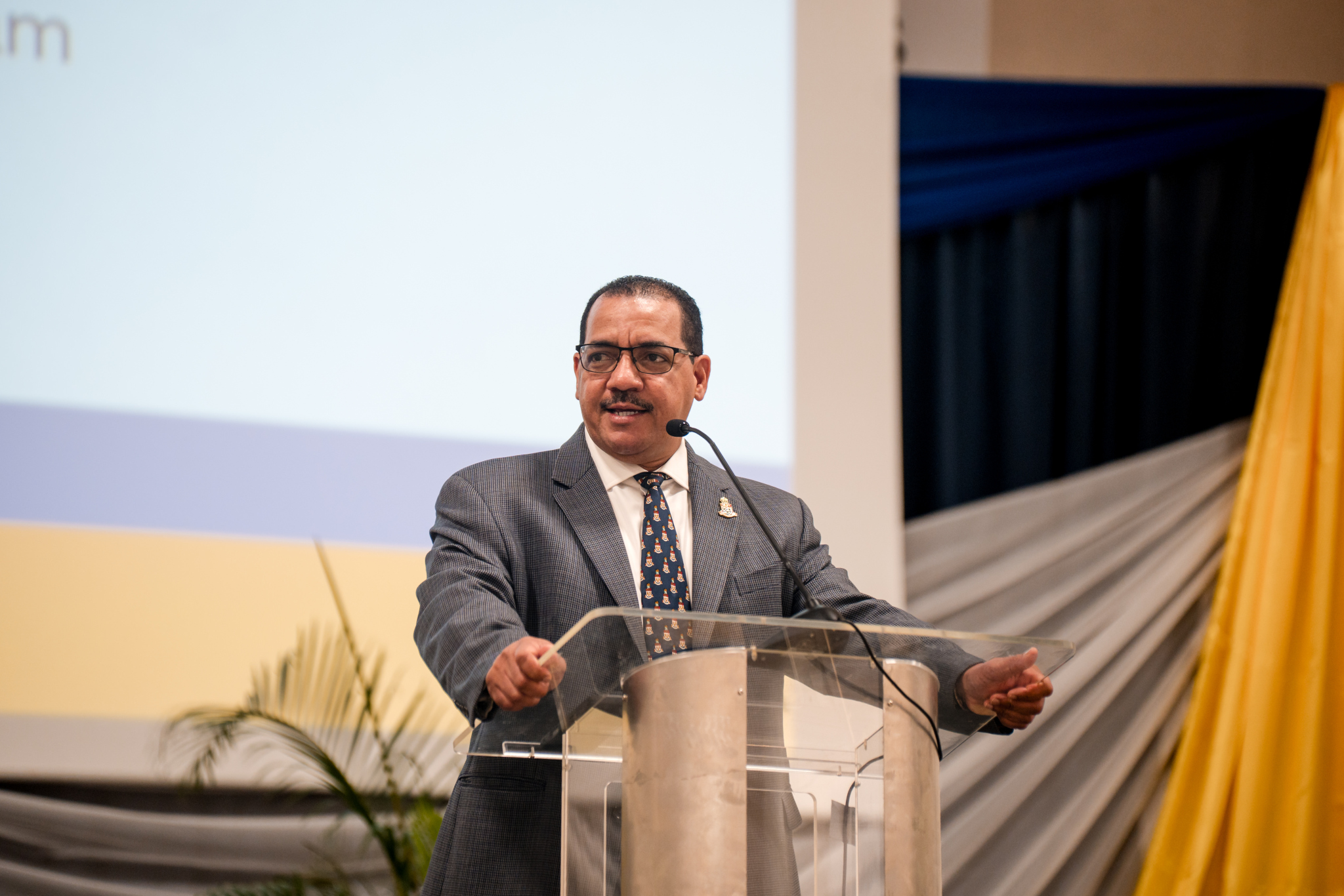
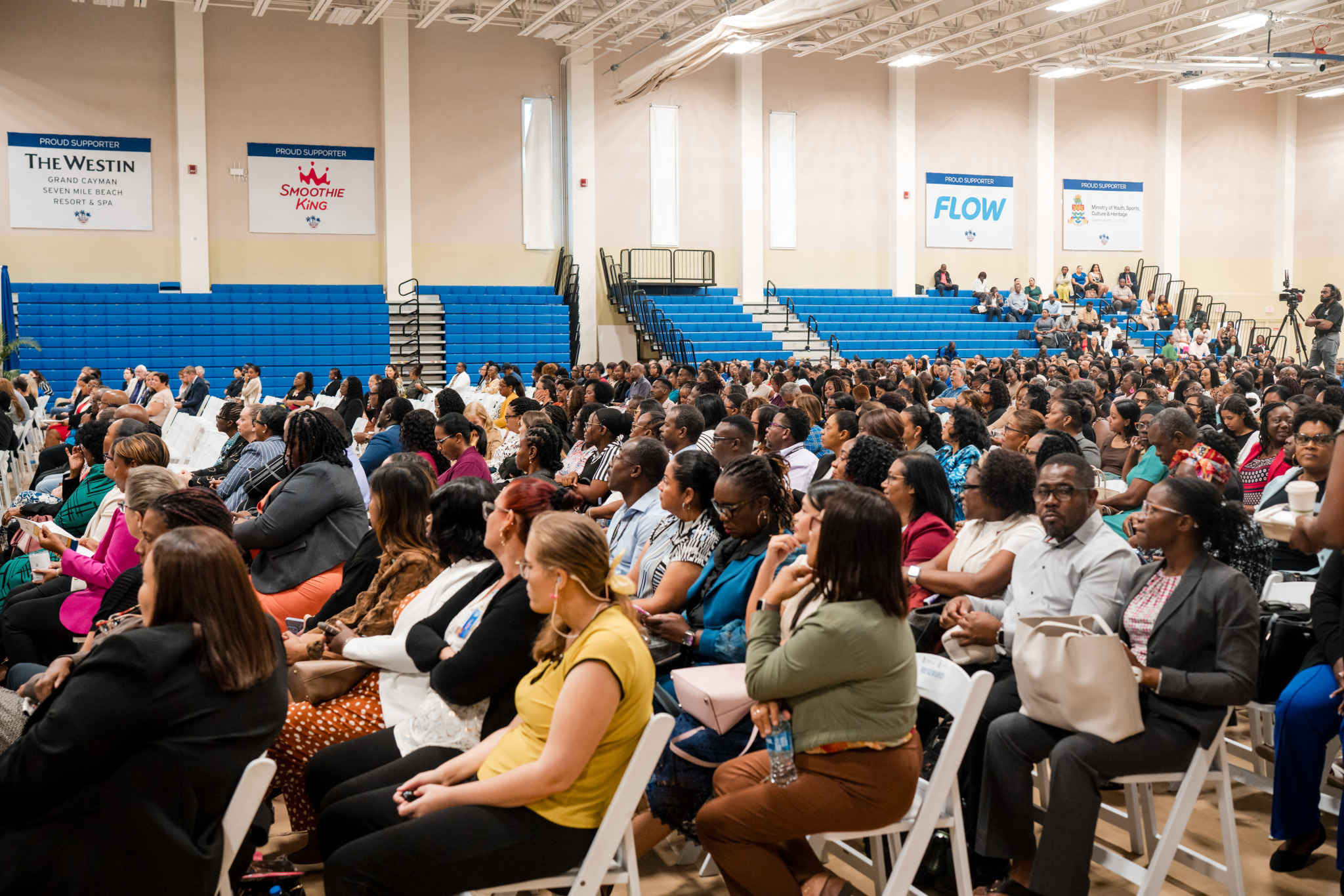
The Department of Education Services in collaboration with the Ministry of Education and Training hosted the National Education Conference 2026 at John Gray High School on 30 Jan.
The conference convened public and private sector educators for a full day of professional learning under the theme ‘Innovation, Inclusion, Impact’.
The conference opened with an official ceremony attended by Premier André Ebanks, Deputy Governor Franz Manderson, Minister for Education & Training Rolston Anglin, the attorney general, several cabinet ministers, parliamentary secretaries for education and senior leaders from across the public and private sectors.
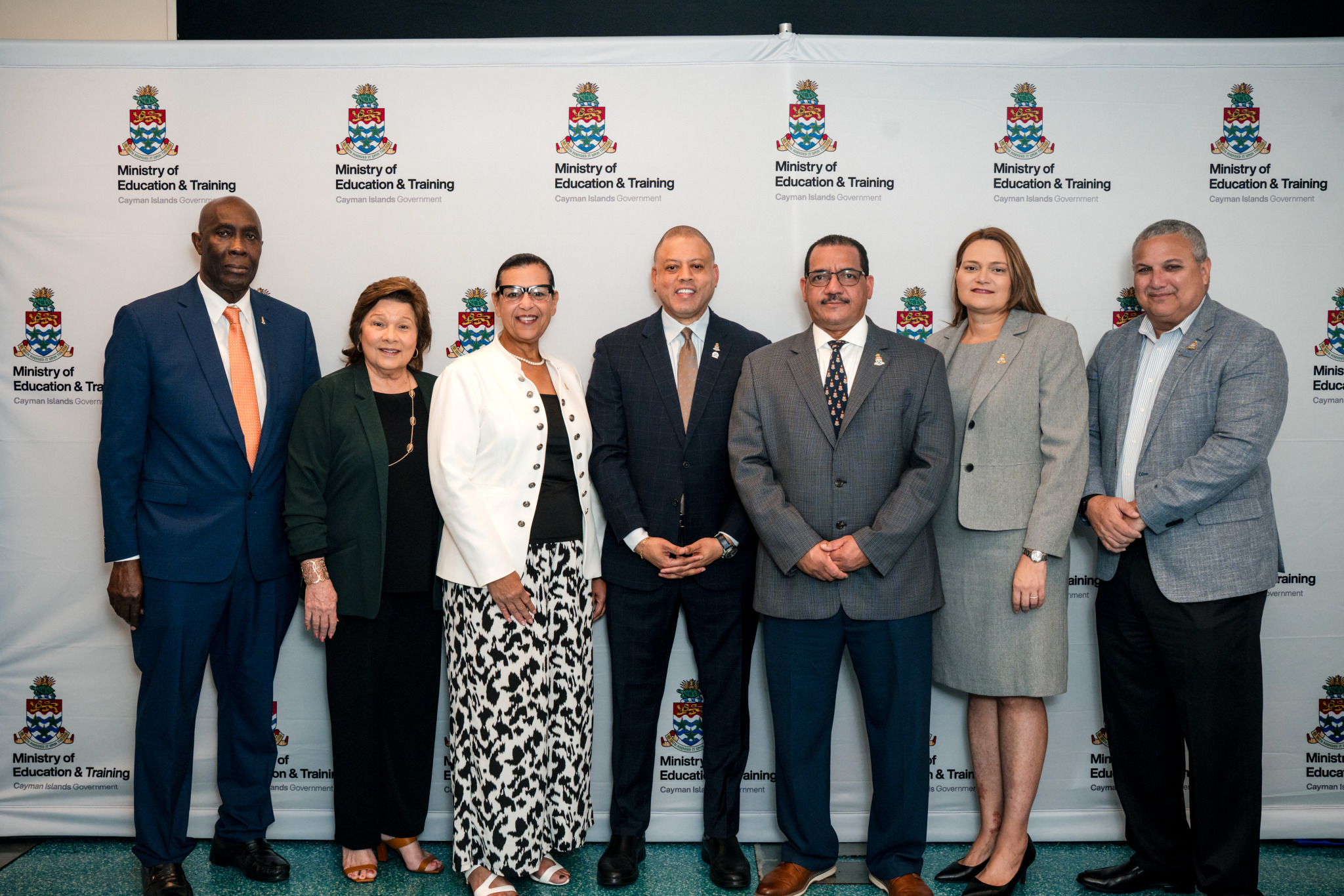
Welcome remarks were delivered by Acting Deputy Chief Officer Elroy Bryan-Watler on behalf of Chief Officer Cetonya Cacho. In her remarks, Cacho underscored the importance of innovation and inclusion as drivers of meaningful and sustainable progress within the education system. She noted, “When we create spaces for thoughtful dialogue, such as this, we open pathways toward a more responsive and forward-looking education system.”
In his address, the Minister for Education and Training Rolston Anglin reaffirmed the government’s commitment to innovation, inclusion, and the continued professional development of educators. He highlighted ongoing investments in technology and the implementation of new school management systems. Addressing educators directly, he stated, “Technology in and of itself is not going to deliver the results. It is you, interfacing with your students, who will deliver the outcomes our education system requires.”
Anglin also reflected on the country’s progress in inclusive education, noting that education policies and practices increasingly prioritise ensuring that every child is recognised and supported. He emphasised education’s critical role in shaping responsible citizens and encouraged educators to remain mindful of the long-term impact of their work.
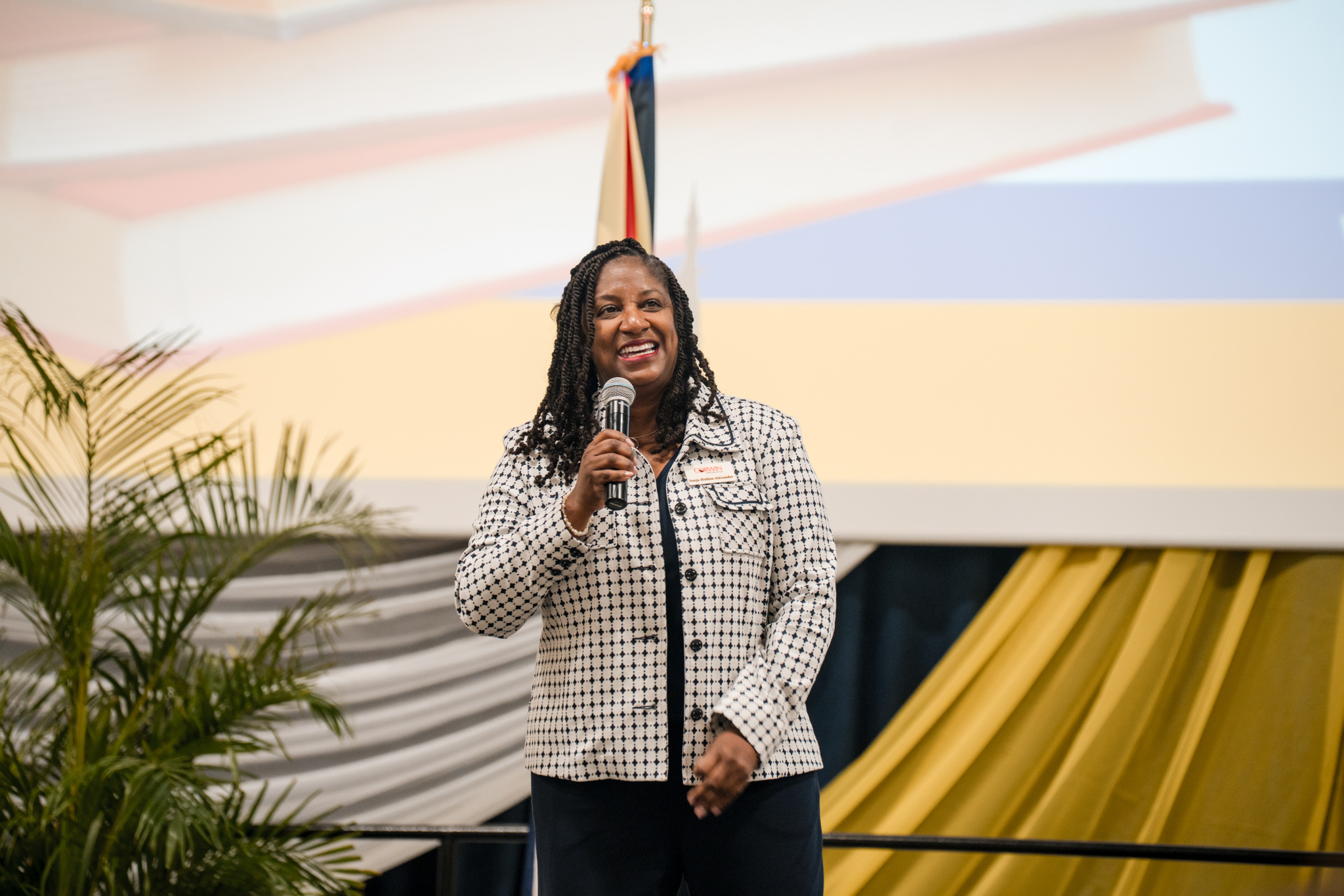
The keynote address was delivered by Sonja Hollins-Alexander, senior consultant and author with Corwin Publishing, who challenged participants to lead with purpose and to ground practice in evidence and impact.
Throughout the day, educators participated in approximately 95 workshops covering a wide range of topics, including interactive teaching strategies, mathematics instruction, applied behaviour analysis, arts-integrated history and creative classroom practices such as maypole and dance.
Director of Education Services Mark Ray said, “These workshops are designed to equip educators with practical tools and strategies that can be immediately applied to enhance teaching and learning in their schools.”
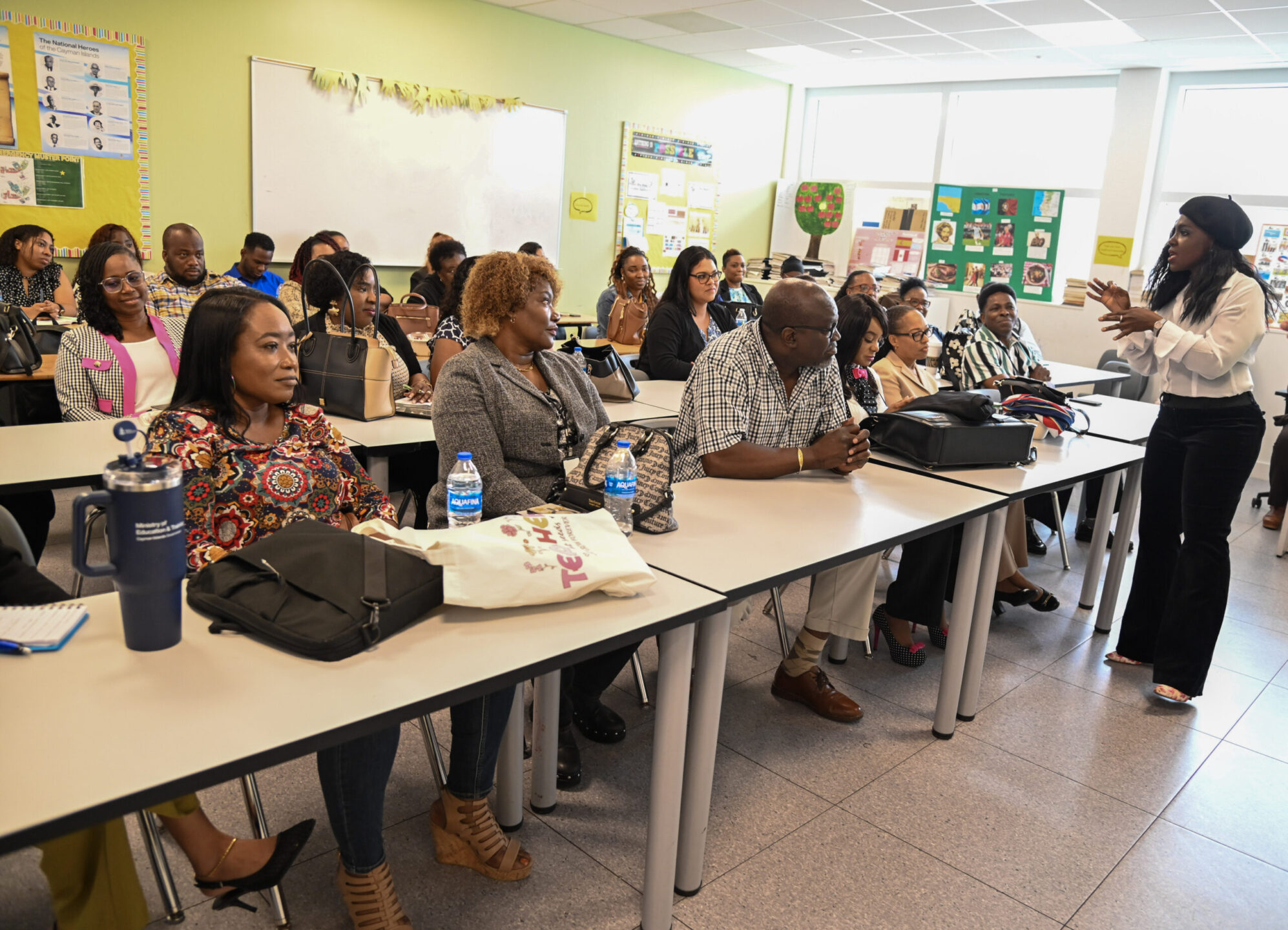
National Drug Council Prevention Specialist Simon Miller led a workshop titled ‘aParently Speaking’ on drug use among youth. He noted strong educator engagement and a keen interest in strategies that promote the holistic development of students.
Reflecting on the experience, Year 4 teacher at East End Primary School, Lian Ebanks, shared, “The National Education Conference was an insightful and enriching event that addressed a broad range of topics in education. The Applied Behaviour Analysis session provided practical, research-informed strategies that strengthened my understanding of student behaviour and supported a positive, responsive classroom environment.”
For more information on educational programmes offered in government schools, visit www.schools.edu.ky.
Related Videos