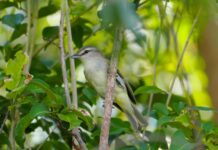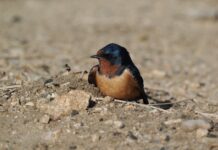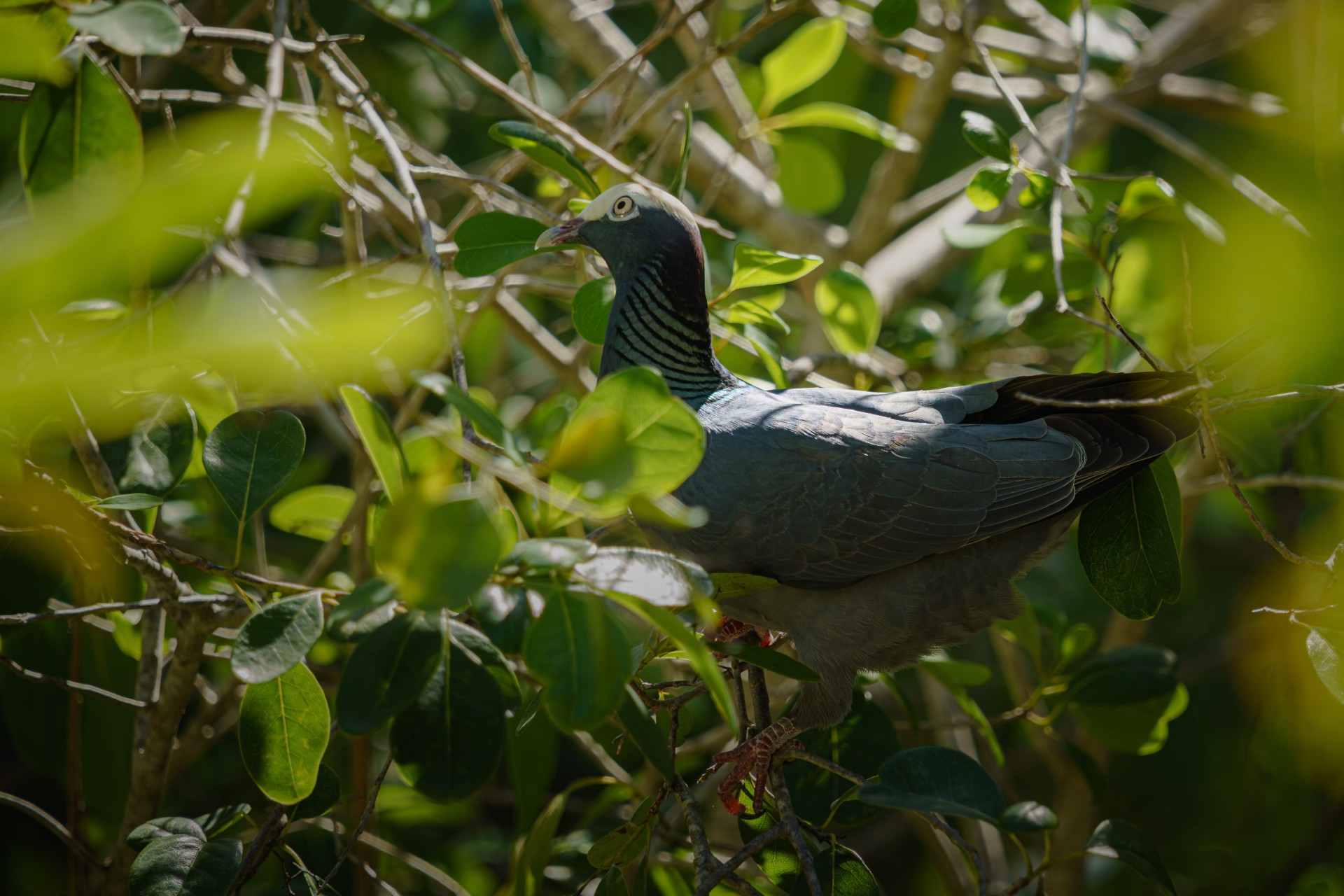
Listen closely on any Cayman morning and you will hear it – the sound of birds singing, the chatter of bananaquits, the sharp call of a Cayman parrot crossing the tree line.
From 13–16 February, that everyday soundtrack became part of something much larger as the 29th annual Great Backyard Bird Count took place, inviting local residents and birders around the world to spend just 15 minutes watching birds and sharing what they see at birdcount.org.
Local birder, Mariasol Hernandez-Antillon said she took part in the count and created her own checklist for the event. “I love birding because birds are incredibly diverse and fascinating.”
She added that the Cayman Islands serves as a crucial hub for many migratory birds that either stay to breed or continue their journey elsewhere. “This blend of resident and migratory birds makes Cayman a paradise for bird enthusiasts,” she said.
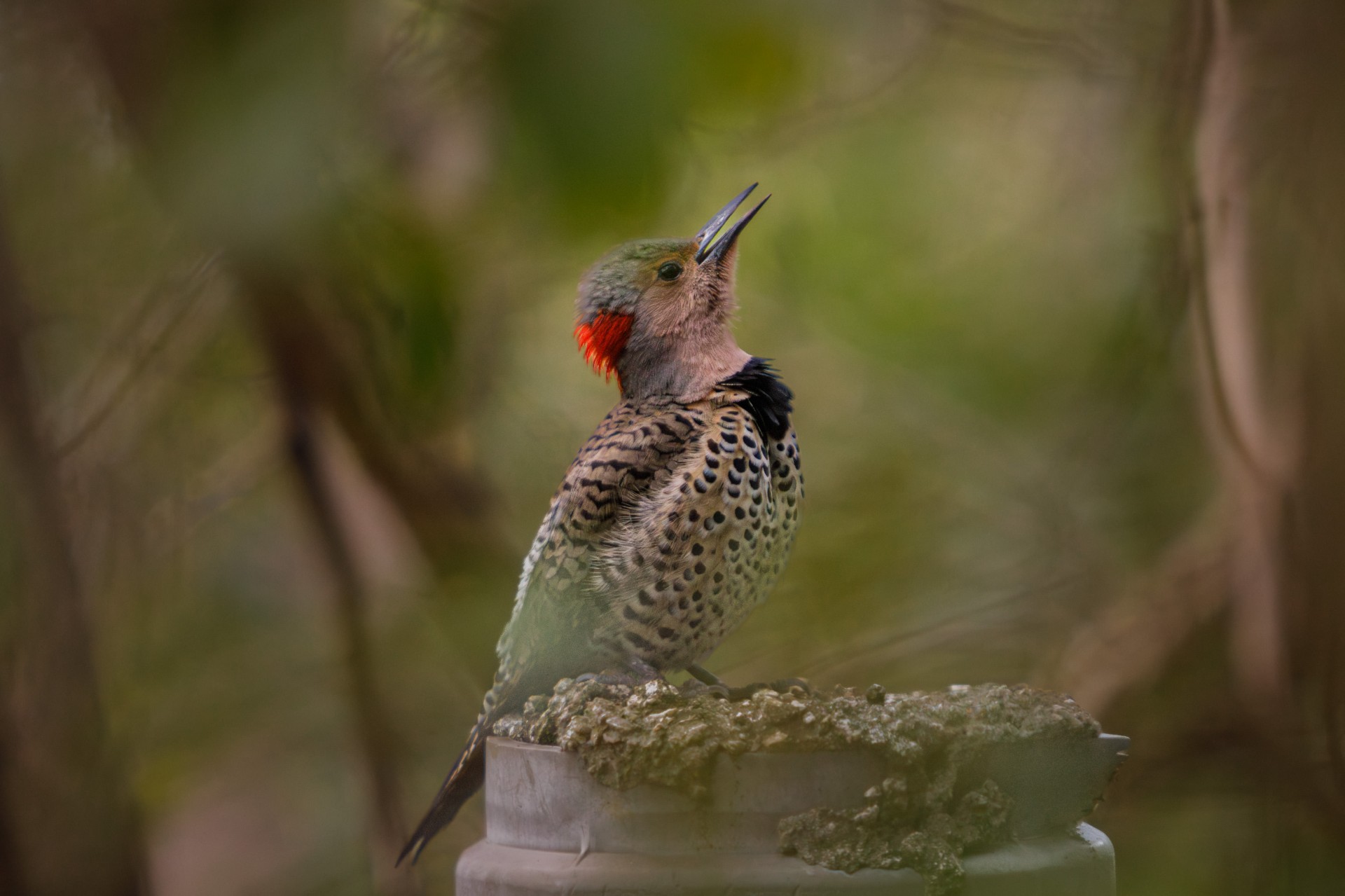
The count is a joint project of the Cornell Lab of Ornithology, the National Audubon Society and Birds Canada. Last year, more than 800,000 people took part worldwide, recording 8,078 species: 158 more than the year before. The data feeds directly into global conservation science, helping researchers track which species are thriving and which are quietly slipping away.
Cayman’s birdwatching
In October 2024’s global count, Cayman’s birders proved their mettle, spotting 123 species in a single day; the fifth-highest total in the Caribbean despite our small size. As local birder Tonya Wight put it, “There are birds everywhere in the Cayman Islands. There are just not enough people looking at them and recording them.”
Cayman punches above its weight ornithologically. Avibase lists 275 species recorded in Grand Cayman, including one endemic and nine globally threatened species.
According to regional checklists, more than 270 species have been documented across the islands, with around 50 indigenous breeders and more than 200 migrants passing through or wintering here.
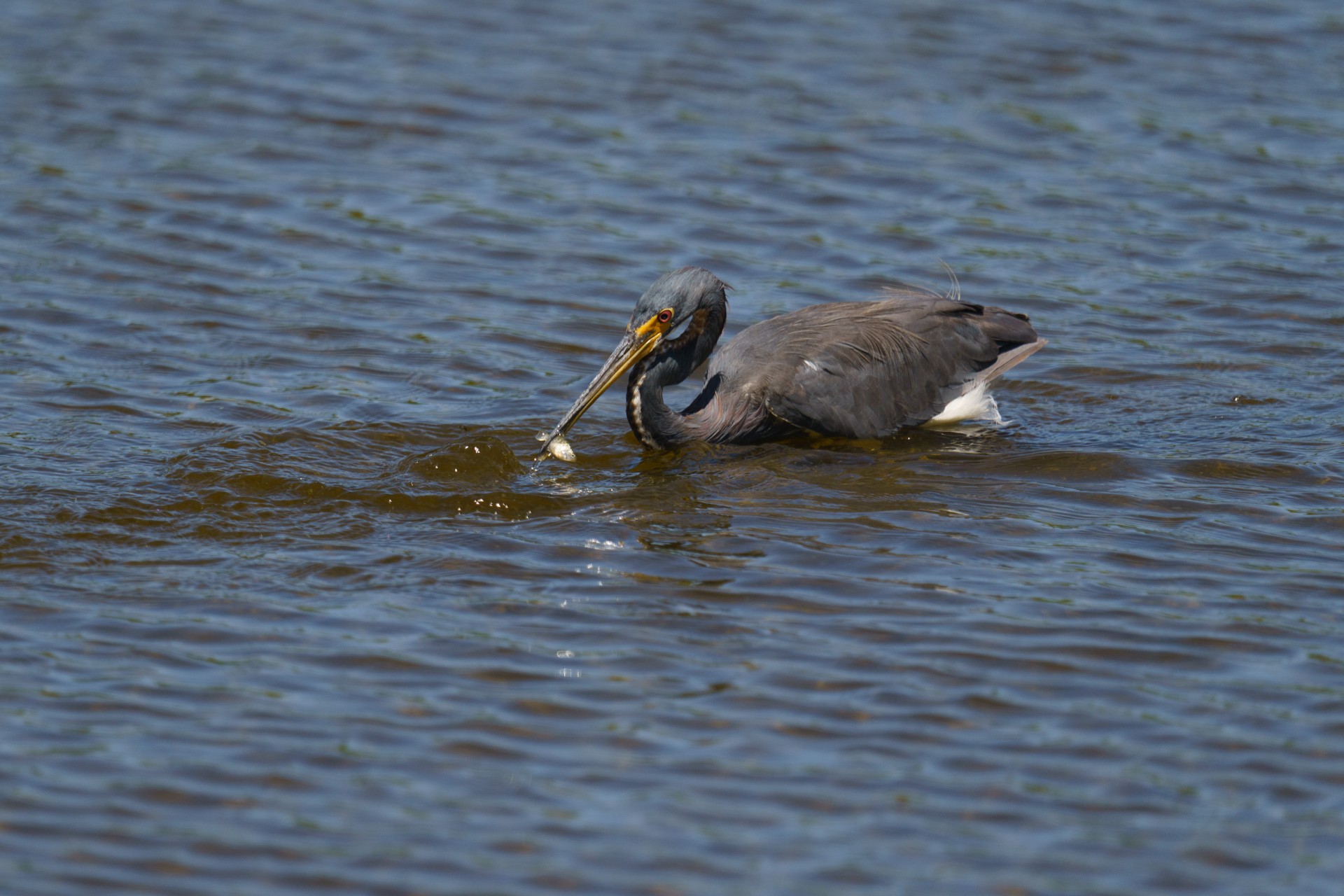
Most of the world’s population of vitelline warblers are found exclusively in the Cayman Islands, with another small population in the nearby Swan Islands. The Grand Cayman parrot and the Cayman Brac parrot exist nowhere else on Earth.
According to Patricia Bradley’s book, the ‘Birds of the Cayman Islands’, the avifauna of the Cayman Islands remained unknown until the latter part of the 19th century, by which time the birds of nearby Cuba and Jamaica had been well documented. “It was not until the summer of 1886 that W.B. Richardson collected the first specimens in Grand Cayman and Cayman Brac.” Bradley wrote.
That first local bird collection launched more than a century of study. Today, that legacy continues through the Department of Environment’s virtual bird guide and the protected sanctuaries managed with the National Trust, from Booby Pond in Little Cayman to the Mastic Reserve and the Governor Michael Gore Bird Sanctuary.
Participation in this year’s Great Backyard Bird Count in February was simple; Count birds for 15 minutes or more anywhere and submit sightings via the Merlin Bird ID or eBird apps.
Organisers encouraged participants to include photos where possible, even imperfect ones. As Wight of the Cayman Islands Birding Club noted, “eBird welcomes both great photos and not so great ones because they help others learn and confirm identifications.”
Wight said, “Adding notes about what birds are eating; insects, berries, or seeds from native trees such as red birch can be equally valuable because those details help scientists understand migratory stopover needs and may even inform protection of key habitats.”
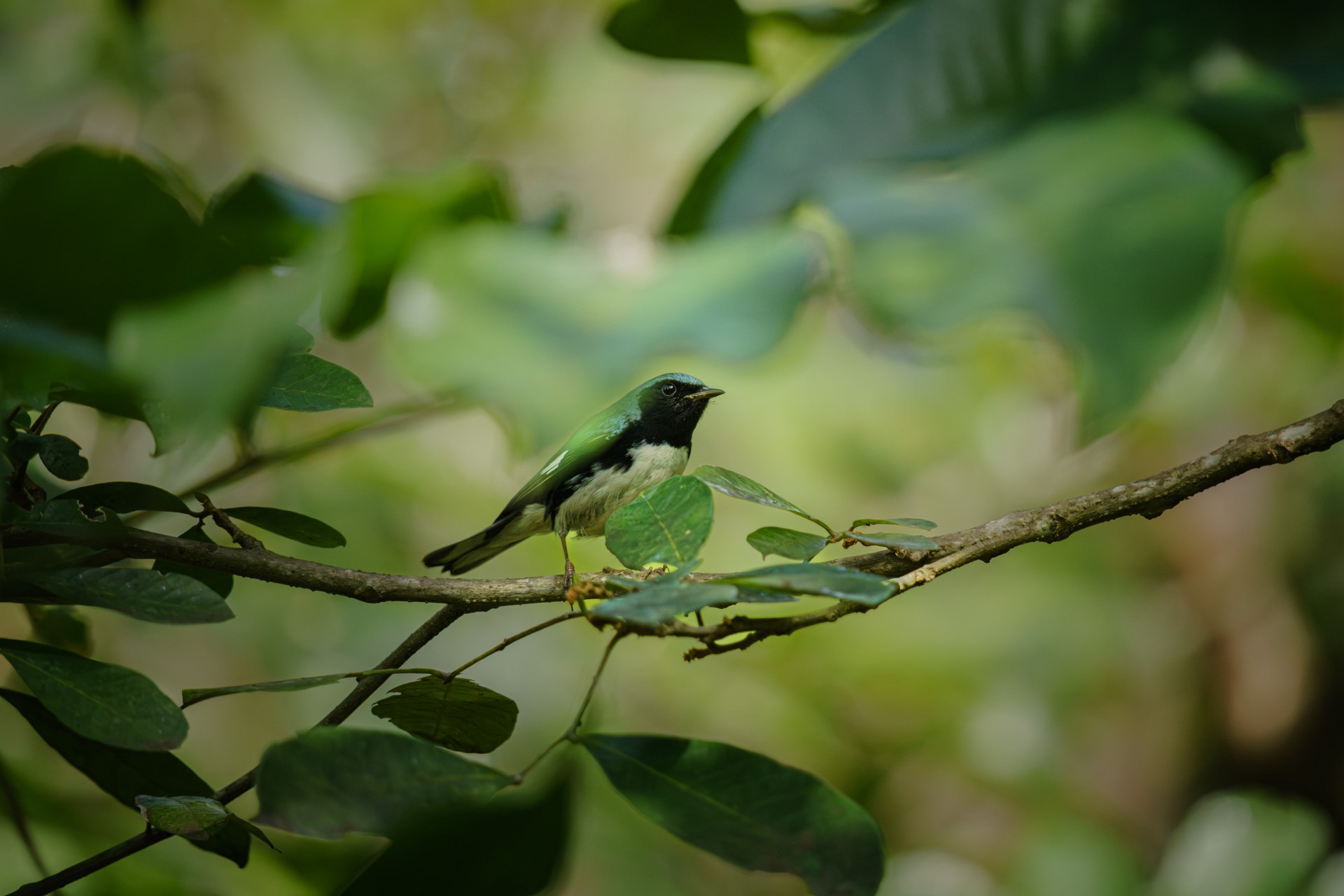
Local sightings already hint at what could appear on this year’s lists. Wil Bignal recently reported a black-throated blue warbler along Harvey Stephenson Drive in Bodden Town, “I also saw a flock of parrots, woodpeckers and bananaquits,” he said.
The Great Backyard Bird Count is not just about numbers. “The simple act of observing, learning, and sharing can spark joy,” said Jody Allair of Birds Canada,
A 2024 U.S. Fish and Wildlife report shows that birdwatching is one of the fastest-growing hobbies in the world, with a significant boom in recent years. In the United States alone, the number of participants has grown massively, with up to 96 million people engaging in the activity.
Related Videos