A Caribbean songbird once considered part of a broader species has now been recognised as unique to the Cayman Islands.
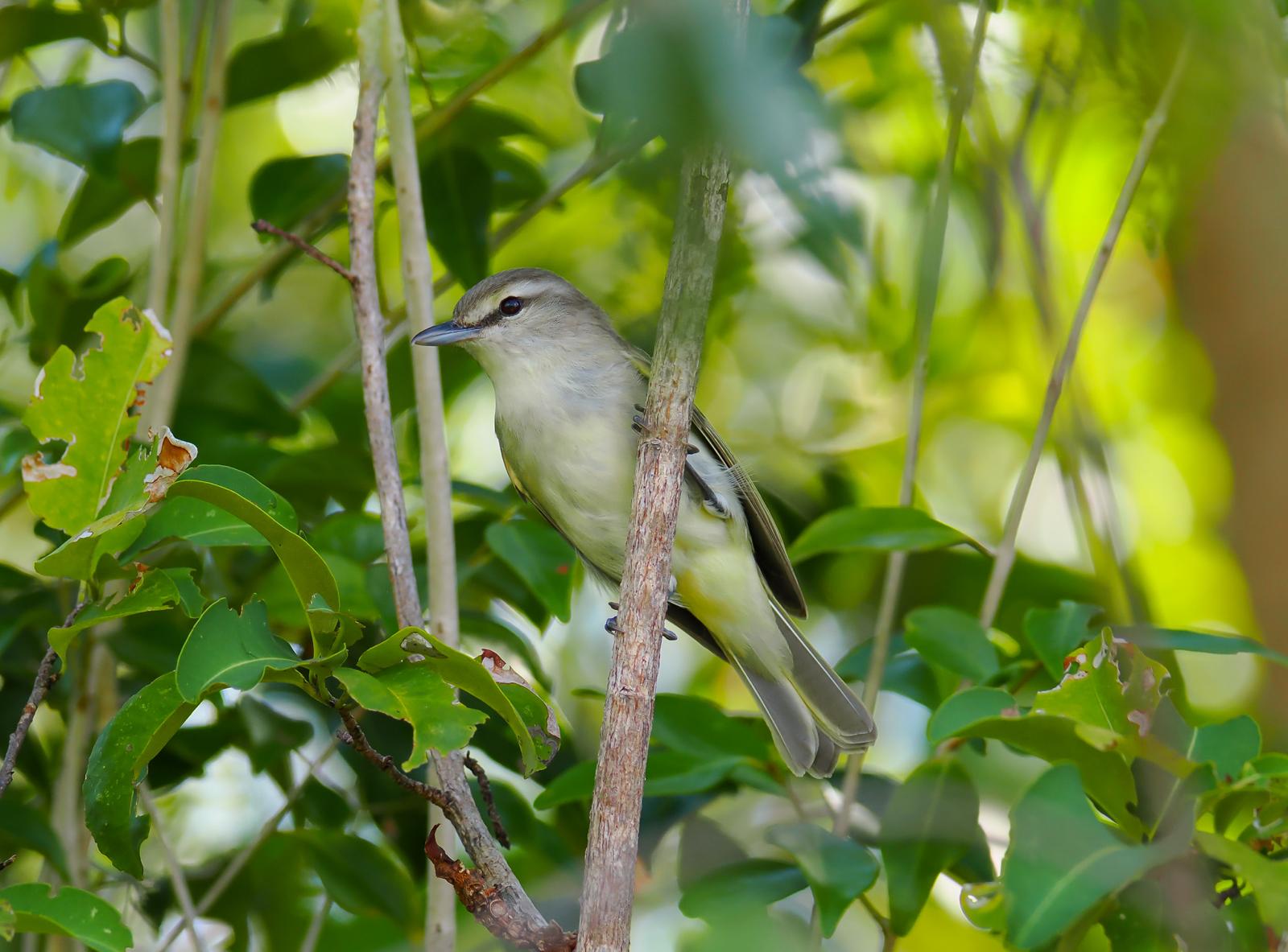
Until recently, the Yucatan vireo (Vireo magister), which is found in Central America and the Cayman Islands, was considered to be two separate subspecies, with Vireo magister caymanensis confirmed to Grand Cayman only.
A nomenclature committee of American ornithologists recently reexamined the bird’s classification, and the bird was split into two distinct species, with the Grand Cayman vireo confirmed as a new endemic for the Cayman Islands, found nowhere else in the world.
A scientific paper officially confirming this designation is expected to be published in the coming months.
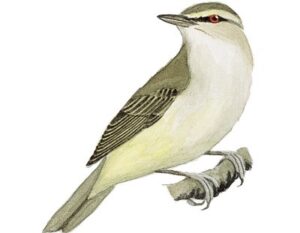
The small olive-grey bird, about 15 centimetres long, is one of Grand Cayman’s most recognisable native songbirds, often heard before it is seen. It prefers mangrove edges, dry woodland and thickets, foraging from low scrub to forest canopy while feeding on insects and berries.
“There is no evidence from the historical or fossil record that the species occurred in Cayman Brac or Little Cayman,” explained local bird expert, Patricia Bradley.
She added, “Endemism is defined as a species confined to one place only and sufficiently different from its cousins, which in the Caribbean region usually refers to species that are separated geographically, by being on an island.”
Bradley, author of several natural history and field guidebooks including “The Birds of the Cayman Islands” and “A Photographic Guide to the Birds of the Cayman Islands”, has spent decades documenting Cayman’s birdlife and helping to establish important bird areas across the islands.
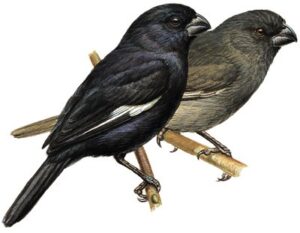
The development follows a similar reclassification in 2013, when the Cuban finch was split into two endemic species. The Grand Cayman bullfinch is now officially recognised as a full endemic, known as Melopyrrha taylori.
“This now confirms that the Cayman Islands has two endemic bird species found nowhere else in the world. In both cases these birds are found on Grand Cayman only,” Bradley said.
Conservation implications
The announcement also carries conservation implications.
“The new classifications raise the international conservation listing of the Grand Cayman Vireo and the Grand Cayman Bullfinch and allows the Department of Environment, the National Conservation Council and the National Trust for the Cayman Islands to develop conservation strategies to ensure the birds have breeding and foraging habitat in Grand Cayman, so they can survive into the future,” said Bradley.
For Cayman, the news is both scientific recognition and a reminder of fragility.
The islands once had another endemic bird species, the Grand Cayman thrush, or “Old Truss”, which is featured on the one-cent coin. The bird disappeared in the early 20th century due to widespread habitat destruction and hurricane impacts.
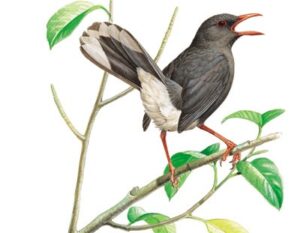
Last seen in 1938, the thrush’s extinction remains one of Cayman’s starkest environmental warnings.
“Active conservation is essential if our local birdlife, and the habitat on which it depends, are to be preserved for the future,” Bradley has previously said. She added, “Our choice is simple. We can take action now … or we can wait until the sad story of the Grand Cayman Thrush is repeated.”
The Department of Environment describes endemic species as part of Cayman’s global biodiversity responsibility, noting that once an endemic bird is lost, it is “lost to the world”.
Related Videos