When the great and the good of the global film industry gather in London for Britain’s version of the Oscars on Sunday, 22 Feb., there will be a Caymanian face in the star-studded crowd.
The movie ‘Mr. Burton’, executive-produced by Cayman’s Jeremy Walton, is nominated in the ‘Outstanding British Film’ Category, alongside huge hits like ‘Hamnet’ and ’28 Years Later’.
The nomination is a highlight for Walton, who successfully changed careers from being a partner in one of the island’s top law firms to becoming a movie producer. He described the recognition as “humbling and affirming”.
“I found out along with everyone else when it was announced on the internet,” he said in an interview with the Compass before flying out for the event.
“It is a peak, certainly. It is a validation of the creative choices made in deciding to get involved in the film.”

On this project his involvement was strictly behind the scenes.
“I was an executive producer, so I wasn’t behind camera or on set,” he said.
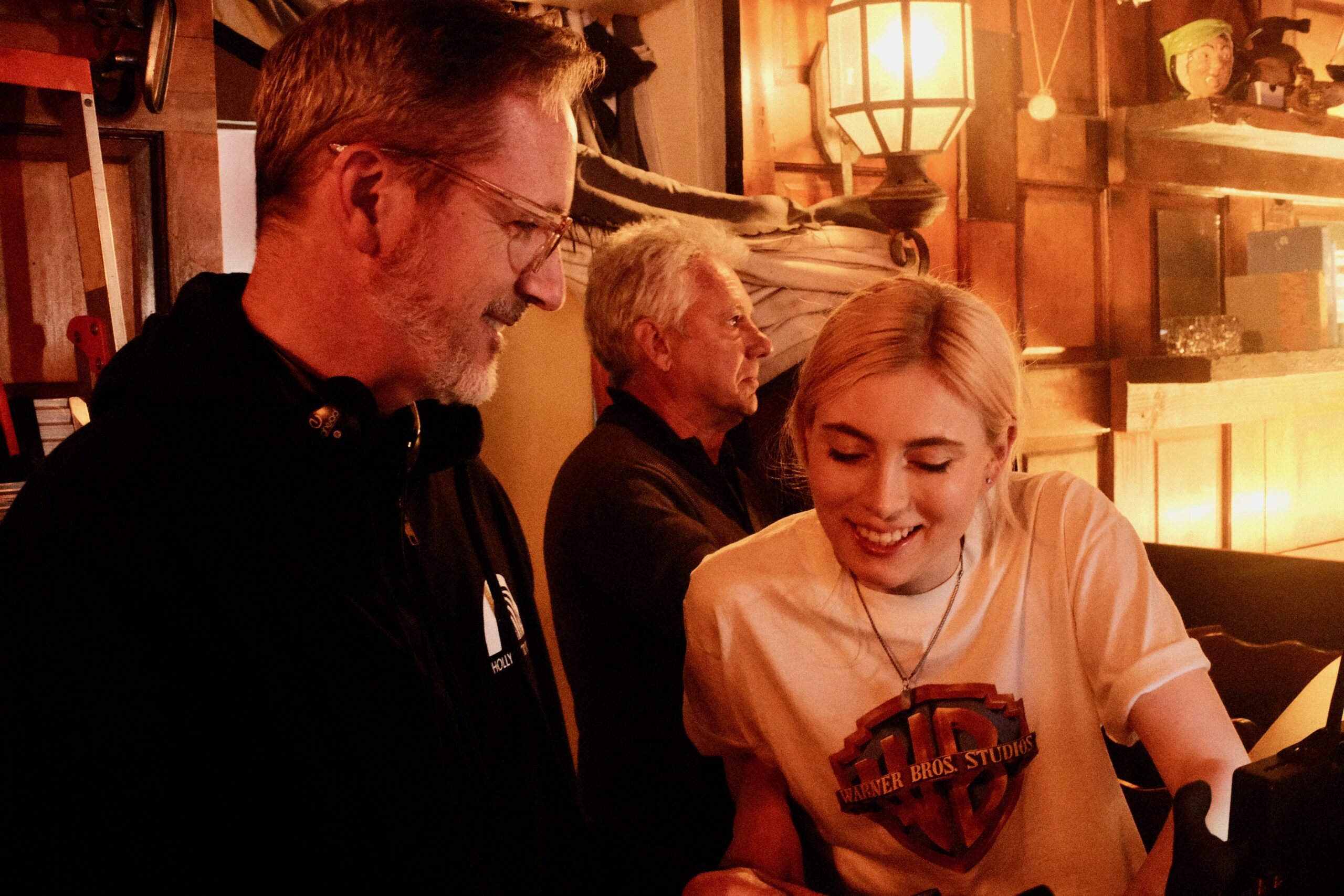
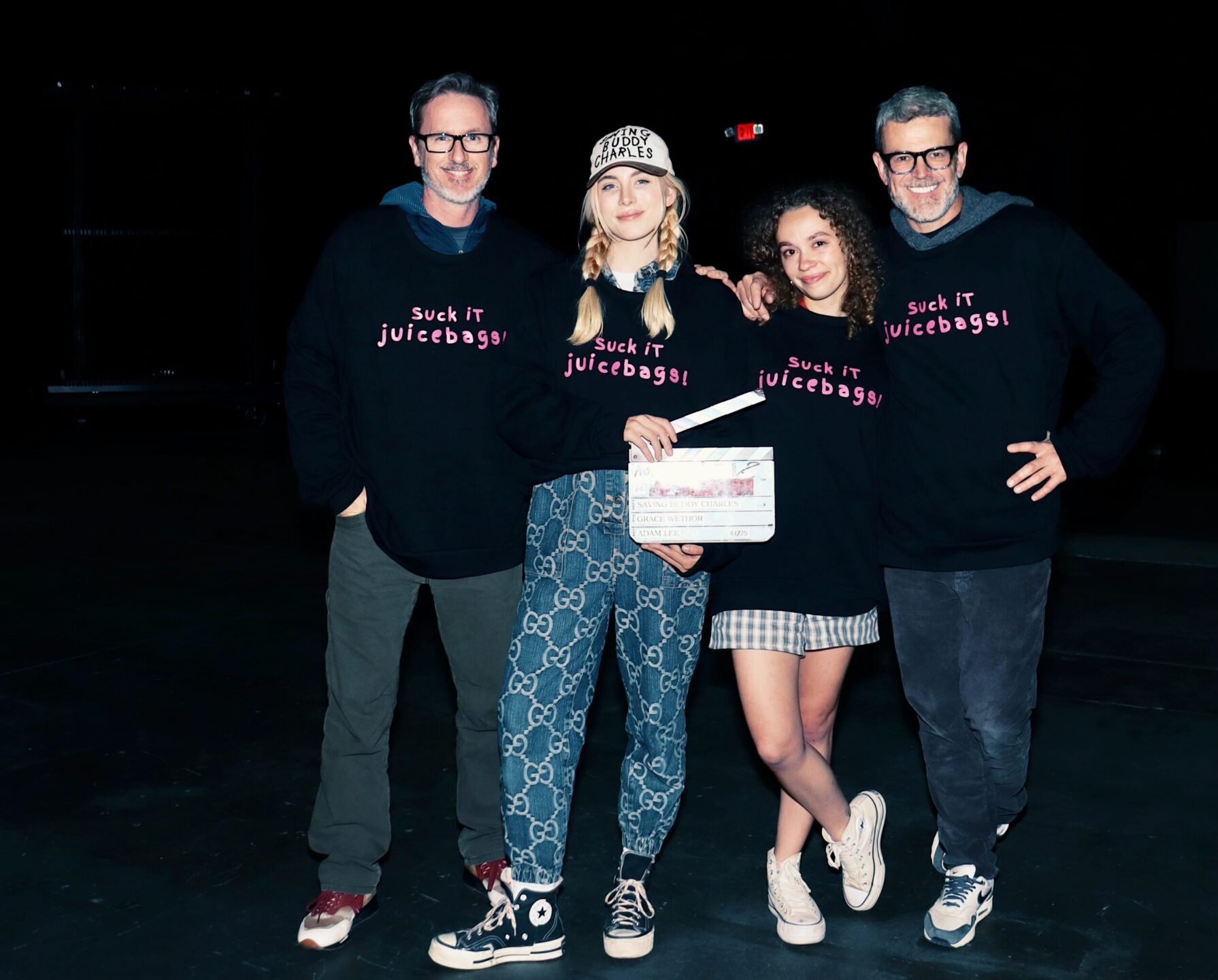
The producer’s role can look very different depending on the project. He was far more hands-on, for example, in the production of another of his films, ‘Saving Buddy Charles‘, which recently screened in Cayman and was well reviewed globally.
Walton, who co-owns Moo Studios with his business partner David Lyons, spent a month in Los Angeles during what was a tight shoot for the independent movie.
“We were actually extremely efficient and able to shoot in under three weeks, which is pretty quick.”
One of his passions as a producer is giving a voice to first-time creators.
“I love working with creative people … it’s rewarding to enable them to produce their best work.”
‘Saving Buddy Charles’ was particularly satisfying because of its unusual backstory. The film was written by Jillian Spaeder for her best friend, Grace Wethor, to direct her first feature.
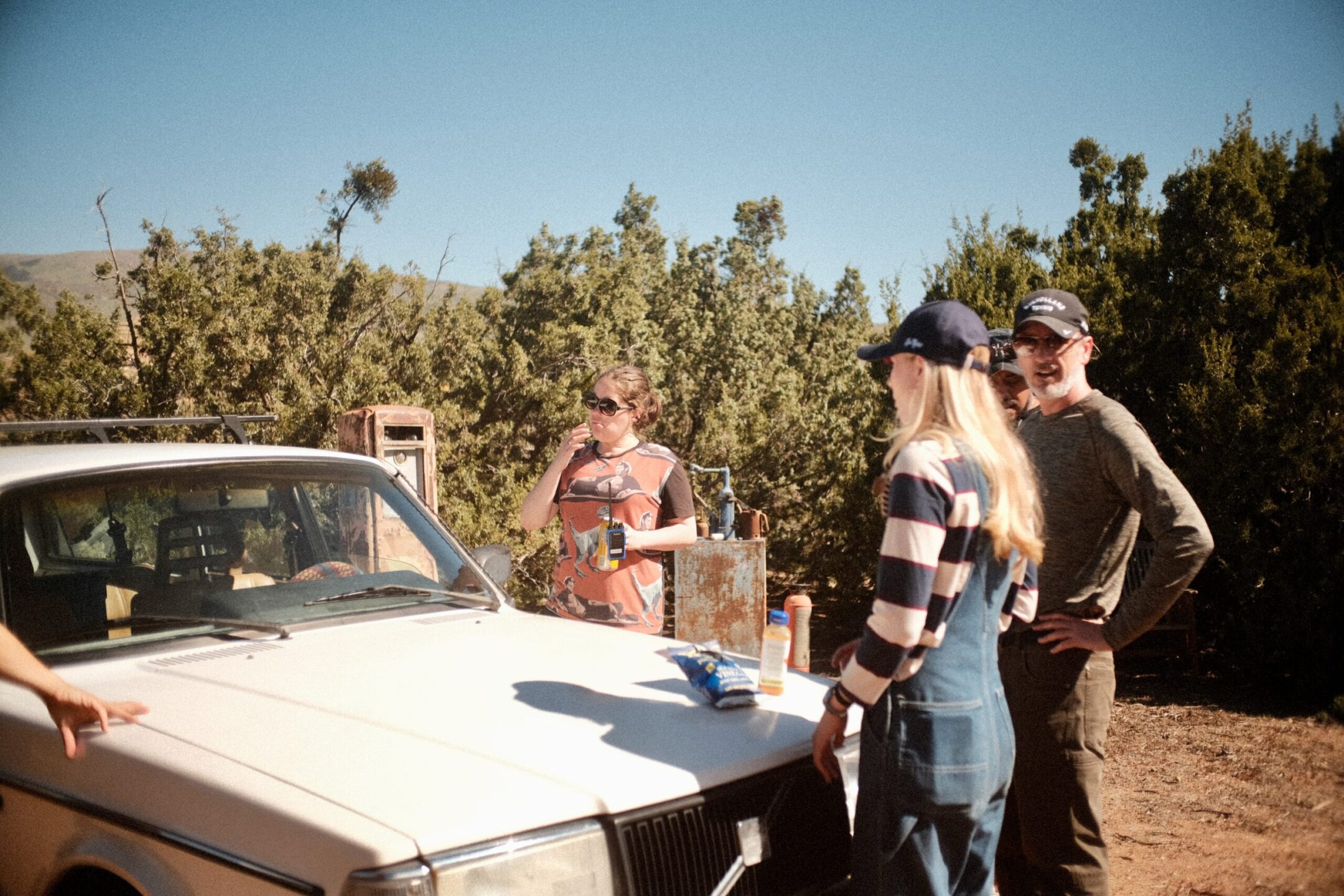
Wethor is a brain cancer survivor who turned to movie making after being given less than six months to live as a 13-year-old and becoming involved with the Make-A-Wish Foundation. The film’s story was inspired by the two friends’ experience of going through that time together. The pair found Walton’s production company through ChatGPT, which he said was a first.
“My partner and I read the script and we immediately fell in love with it. I said ‘We’ll take it and we’ll make it. Don’t talk to anyone else.’”
Life after law
Walton’s own story is almost as compelling. After reaching the top of Cayman’s legal world as a partner at Appleby, he is now climbing the ladder on the global creative scene. He retired from the firm at 45 and embarked on a second act, indulging a long-held passion for film.
“It’s a long life that we have … I wasn’t going to spend the next 30 years honing my golf game.
“I wanted to do something really different and really leaning into my creative side.”
At first, he focused largely on the financing and legal side of movie making, using the skills he had honed in the corporate world. His practical knowledge of film making, to that point, came from his involvement with the ‘Zombie Driftwood’ horror comedy film that was made in Cayman. He had also gone on to produce more polished documentaries locally, including ‘Bright Spot’ and ‘The Great Disconnect’, but he admits he had a lot to learn.
“My strategy was to get involved purely on a financial level and then see how they do it … watch and learn.
“There’s obviously a lot of legal work involved in putting projects together. I was able to use my professional experience to handle those aspects myself, which provides a bit of added value to the production.”
A producer’s job, unlike that of a director or screenwriter, is harder to define. Walton says it can vary greatly from project to project. In some movies his role is to provide funding or bring together financing. On other occasions it is much more involved, stretching from early script development to post-production decisions.
Walton says the real work always begins after the cameras stop rolling: marketing strategies, distribution deals and long-term streaming and video rights all have to be worked out and executed.
“There’s a lot involved before the film gets made and then, once it’s made [it will be on] various screens for several years in different formats. The shortest part is making the actual film.”
For Walton, who is also a prize-winning photographer in his spare time, this new career offers the chance to indulge his creative instincts in a way the law never could.
“Lawyers don’t make things. I’ve now made something that will exist as long as the internet does.”
Related Videos