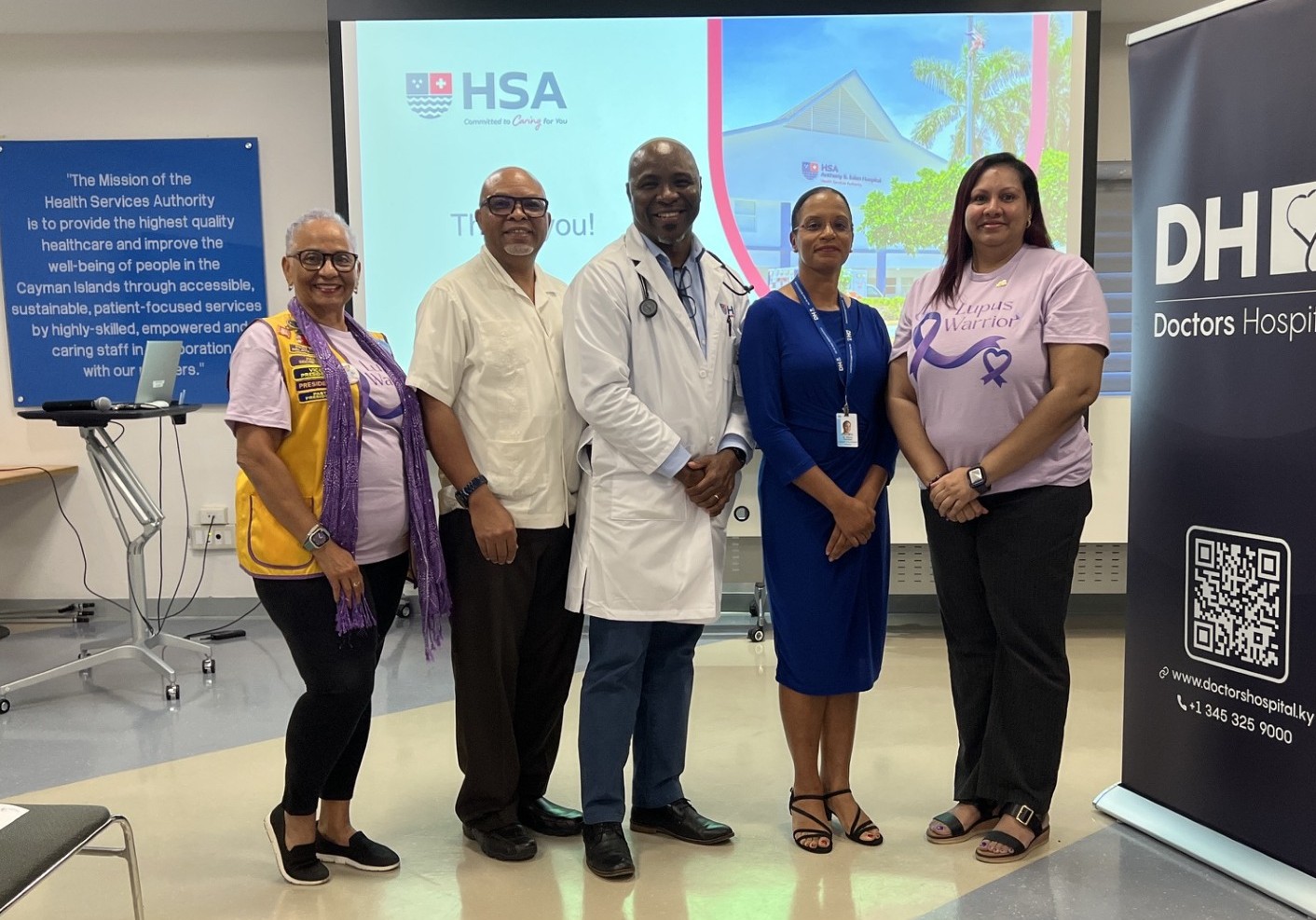
May is Worldwide Lupus Month. To acknowledge this and promote awareness of the chronic autoimmune disease, the Wings of Hope Lupus Support Group Cayman Islands partnered with Health Services Authority to provide the fourth annual Lupus Awareness Event.
Held on 19 May at the Anthony S. Eden Hospital, the event had an attentive audience made up of health professionals, government members, members of the public as well as media.
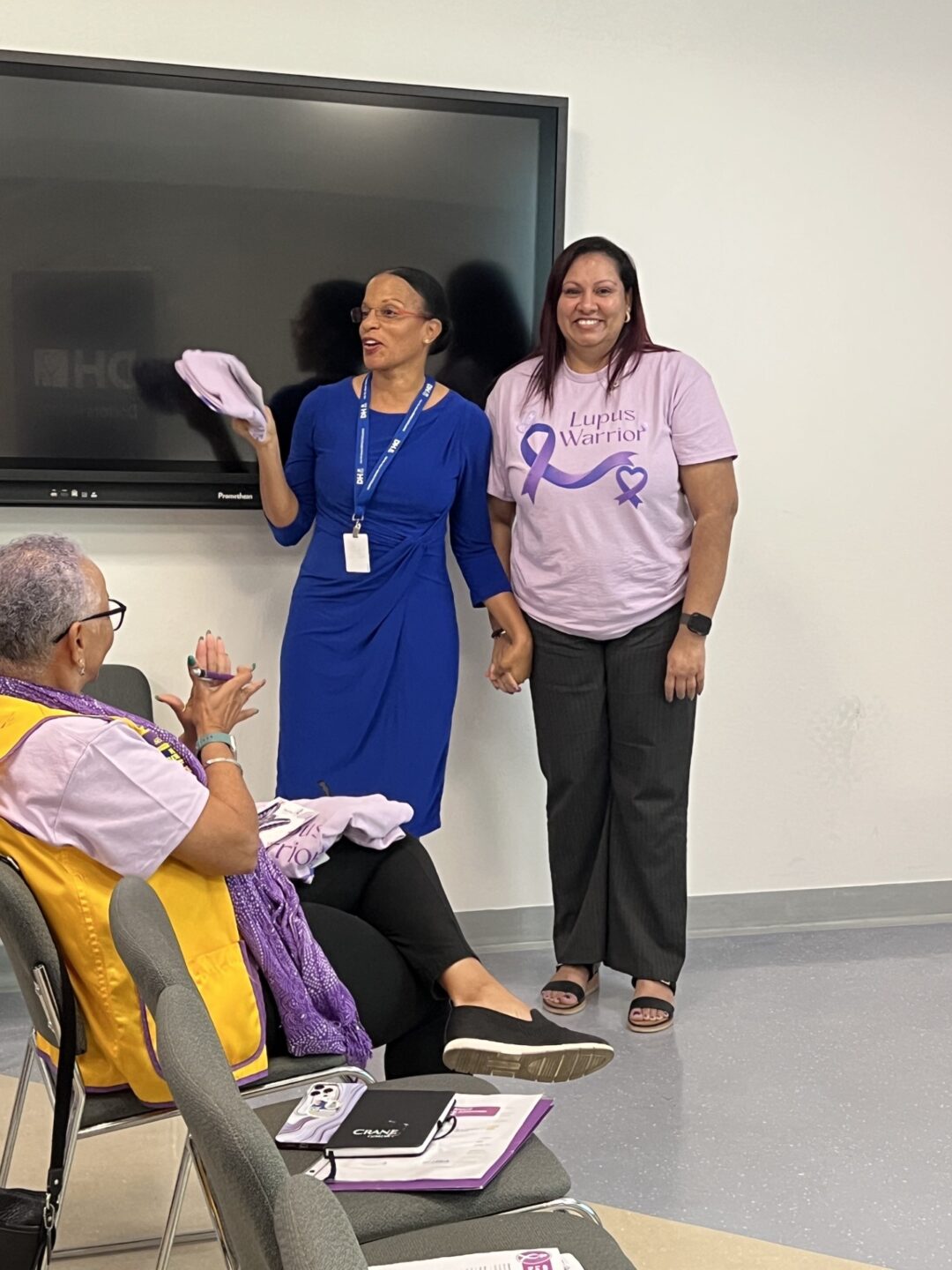
Founder of Wings of Hope Reshma Ragoonath offered opening remarks, saying that it had grown from a simple message on social media to a full-fledged event where, she said, “Lupus warriors have a platform to raise awareness, come together as one and not be invisible anymore.”
Ragoonath shared her thoughts on the event and how important partnership is. “Every year my challenge is which topic to focus on because there are so many things that lupus warriors must fight,” she said. “I’m grateful every year for the HSA for professional support – warriors and their families and friends need to understand this disease more.”
She also highlighted that the National Council for Persons with Disabilities joined the initiative this year, helping to raise awareness for those who suffer with disabilities caused by lupus.
Consultant Rheumatologist Dr. Sharon Chambers from Doctors Hospital shared details on lupus and the Cayman Islands prevalence study, which she started in 2025. She also provided a definition of the disease to start with.
“Systemic Lupus Erythematosus is the most common and most widely recognised form of lupus,” she said, including that ‘systemic’ means it can affect multiple organs and systems including joints, skin, kidneys, brain, heart, lungs and blood cells.
She added, “Basically, your immune system becomes confused and begins to attack your normal cells with normal tissues. It’s friendly fire.”
Dr. Chambers shared that a prevalence study measures how many people in a population have a particular disease, usually expressed as cases for 100,000 populations. She clarified that these studies provided much-needed data to better understand the disease, the burden it causes and to reveal disparities and diagnostic gaps.
Dr. Chambers also said that Barbados has one of the highest reports of prevalence rates of Lupus worldwide. A higher prevalence of the disease is found in Afro Caribbean, African followed by the Hispanic, then Asian and then Caucasian population. There’s also a higher prevalence in women.
In Cayman, the healthcare system is reporting 30 adults, but she believes there are at least 30 more. She stressed that “Prevalence studies help improve awareness, healthcare systems, research and patient awareness. We need everybody – so tell them about this study.”
Community dietitian Tamara Whorms-Riley from the Health Services Authority provided a presentation on why nutrition is important for those with lupus.
“People want a diet sheet, but there is no such thing for lupus,” she said. “What we have to look at is our overall lifestyle change to manage all of these symptoms.”
Whorms-Riley recommended that people with lupus eliminate gluten and focus on a Mediterranean-based diet with colourful fruits and vegetables, seafood – at least twice per week – gluten-free whole grains to provide fibre, vitamin Bs, magnesium and iron to support heart health, and spices to add flavour and more depth to meals. She also stressed that eating with family and friends is also important.
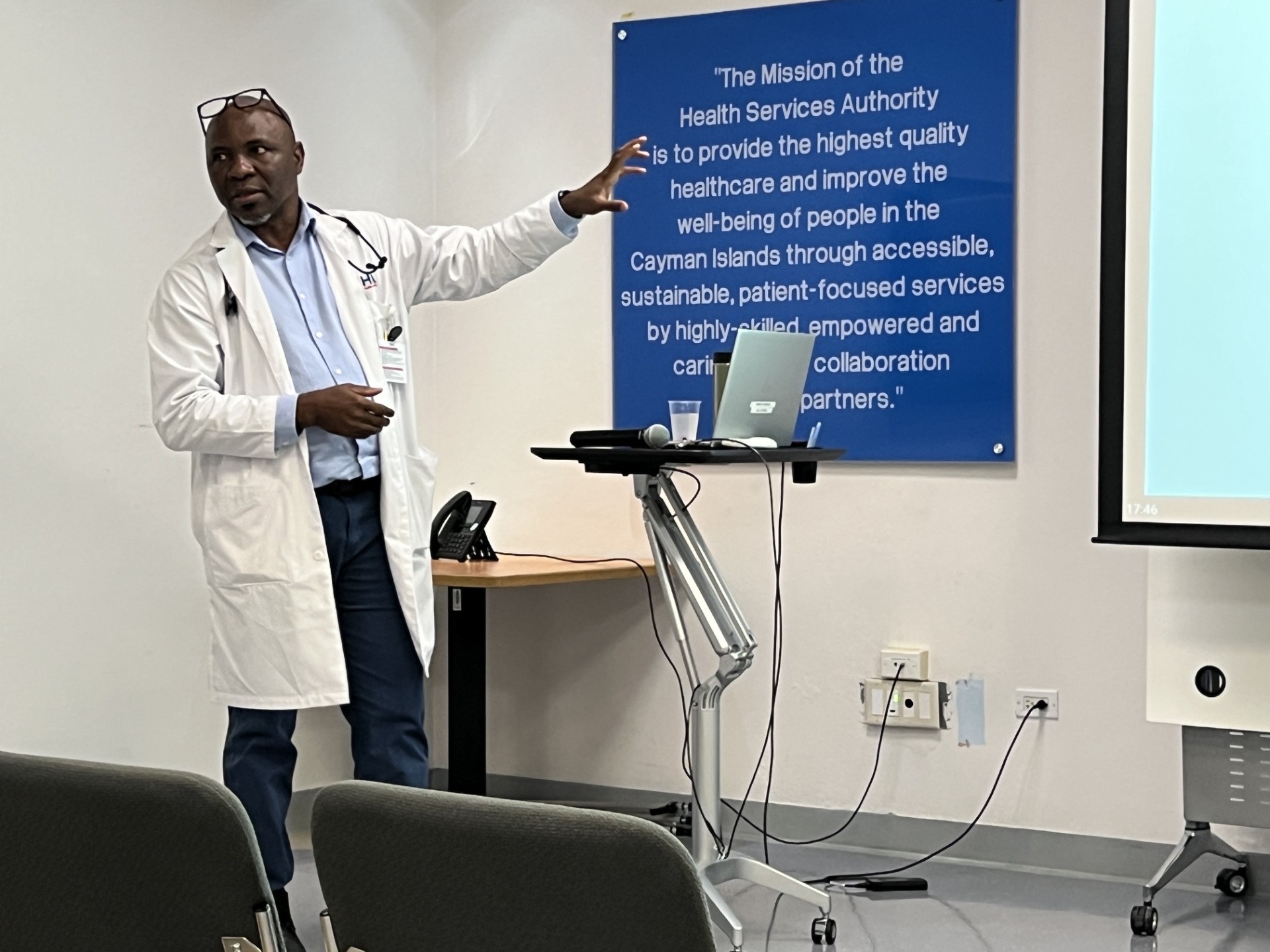
Nephrologist Dr. Ikechi Okpechi then spoke on SLE and Kidney Disease and said the disease “leaves a situation where the body doesn’t recognise itself and its therefore fighting against different organs”.
Taking the audience through the details of the disease, including how it manifests within the body, he said Lupus Nephritis is inflammation of the kidneys caused by systemic lupus erythematosus, which can lead to kidney damage and, in severe cases, kidney failure. He also shared details of his research in South Africa and discussed how the symptoms of lupus can be identified, and different treatments including effective drugs.
As the event came to a close, Dr. Lundie Richards, consultant hematologist-oncologist with the HSA, spoke about the disease and thanked the speakers and audience on behalf of the Health Service Authority.
“I think this is such a very important part of life that causes so much morbidity, if not mortality,” he said. “It’s an important reminder that with these chronic conditions, if detected early, we may be able to change the whole perspective of one’s life going forward.”
He stressed that awareness of lupus through such events can help people and professionals link symptoms to the disease.
To participate in the prevalence study for the Cayman Islands, people can email [email protected], call Nurse Diane Obana at Doctors Hospital at 640-1437.
Related Videos