The rainy season in Cayman runs from May through November, but this year it may be hotter and drier than usual because of what is being dubbed a ‘super El Niño’ that is expected to form in the eastern equatorial Pacific Ocean this summer.
The Cayman Islands National Weather Service issued its outlook on 21 May, forecasting below-average rainfall, above-average temperatures and a below-average Atlantic hurricane season, with the developing El Niño pattern expected to be one of the key climate drivers.
For Grand Cayman, the wet season rainfall average total is 47.6 inches, while Cayman Brac is 33.5 inches. This year, local forecasters say there is a greater than 70% probability of below-average rainfall. The outlook also gives a greater than 70% probability of above-average temperatures, against seasonal averages of 84.2 degrees Fahrenheit for Grand Cayman and 85.4 degrees Fahrenheit for Cayman Brac.
The National Oceanic and Atmospheric Administration’s latest ENSO discussion says El Niño is likely to emerge soon, with an 82% chance during May-July 2026, and a 96% chance of continuing through December 2026 to February 2027.
The World Meteorological Organization said in April that El Niño is expected to develop from mid-2026 and influence global temperature and rainfall patterns. Some recent media reports have raised the possibility of a very strong or ‘super’ El Niño, but forecasters caution that strength and local impacts remain uncertain.
For Cayman, El Niño typically tilts the odds toward hotter, drier conditions and fewer Atlantic basin tropical cyclones.
2026 hurricane season outlook
NOAA’s hurricane outlook issued on 21 May, predicts 8 to 14 named storms, 3 to 6 hurricanes and 1 to 3 major hurricanes, with a 55% chance of a below-normal season. Colorado State University is forecasting 13 named storms, 6 hurricanes and 2 major hurricanes.
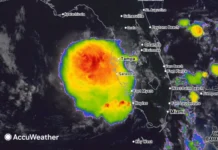
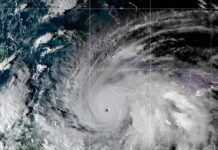
But a reduced hurricane count does not eliminate the risk. NOAA officials stressed that the outlook is not a landfall forecast and that “one storm can still make a season destructive”. El Niño can suppress Atlantic hurricanes by increasing wind shear, but warm Caribbean waters and local weather patterns can still allow storms to form and rapidly intensify.
Wider impacts
The wider impacts may be felt well beyond hurricane season. Less rain can stress farms, gardens and groundwater lenses. Hotter days mean more demand for air conditioning, pushing up electricity bills for households and businesses.
Outdoor workers, elderly residents and people with chronic health conditions face greater heat-stress risks, especially when high humidity drives the heat index above the actual air temperature.
There are also public health concerns. Drought can increase dust and air-quality issues, while periods of rain after dry spells can create mosquito-breeding conditions. The World Health Organization has previously identified heat stress, waterborne disease and mosquito-borne illnesses such as dengue and Zika among health risks associated with El Niño-related climate disruption.
Cayman’s reefs may also face added pressure. NOAA’s Coral Reef Watch notes that reefs worldwide are threatened primarily by bleaching heat stress, along with pollution and other impacts. Warm Caribbean Sea surface temperatures, combined with calmer, hotter periods, can raise the risk of coral bleaching, particularly if heat stress persists for weeks.
El Niño may also impact grocery stores. Strong El Niño events can disrupt rainfall and harvests across major producing regions, affecting rice, wheat, corn, soybeans, fruit, vegetables and livestock. For islands that import most of their food, global crop losses and higher energy demand can drive up prices.
Related Videos