1. Create a household emergency plan
Develop a clear emergency plan for your household. Consider the needs of older adults, children, pets, and anyone with medical or mobility challenges. Your plan should include safe exits from your home and neighbourhood, as well as a designated meeting point in case family members become separated.

2. Assemble an emergency kit
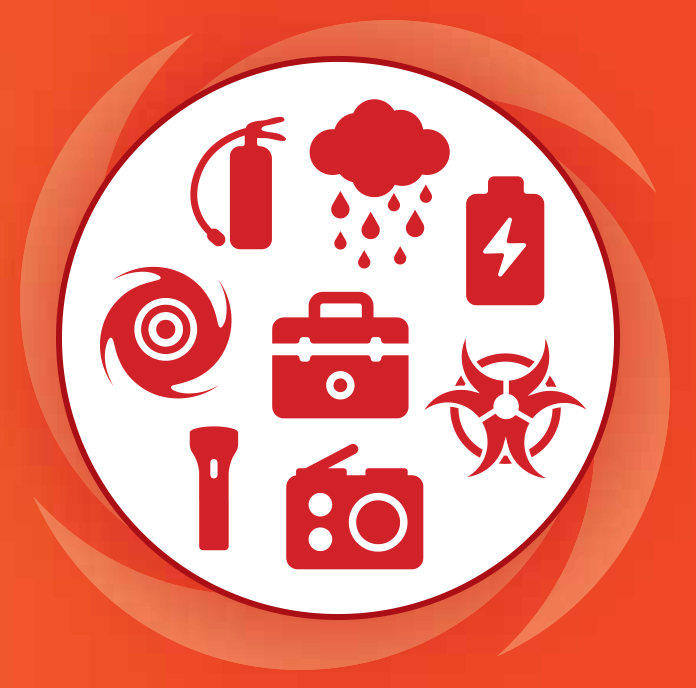
Prepare a fully stocked emergency kit that includes drinking water and non-perishable food items (three-to seven-day supply is recommended); medications; flashlights and extra batteries; first aid kit; battery-operated radio; and other essentials.
3. Protect important documents
Store critical documents – passports, birth certificates, immigration papers, insurance policies, medical records, property deeds – in a watertight, secure container, or digital backup.
4. Secure property and belongings
Take steps to reduce potential damage by bringing outdoor furniture and loose items indoors. Install hurricane shutters, or board up windows. Move valuables, electronics, and important documents to a safe, elevated place if flooding is likely. Trim trees, remove dead branches and coconuts that could fall on your home. Have a backup power source such as a generator, if possible.
5. Plan for evacuation
Know where you will go if an evacuation order is issued. Identify the nearest hurricane shelter and map out your route in advance.
6. Keep cash on hand
Withdraw enough cash to last one to two weeks. Power outages can disable ATMs and card machines.
7. Stay connected
Maintain communication with family and friends. Share your plans and ensure everyone in the household understands the emergency plan. Have an off-island contact.
8. Review insurance coverage
Confirm that your insurance policies are current and provide adequate coverage for hurricane-related risks.
9. Prepare vehicles
Fill your vehicle’s gas tank early and consider moving vehicles to higher ground if flooding is expected in your area.
10. Stay informed
Regularly check official government channels for the latest updates and instructions, such as the National Weather Service, Hazard Management Cayman Islands, Cayman Islands Government, and local news outlets. Register for the National Emergency Notification System (nens.gov.ky) to download the emergency alert app to receive real-time alerts and updates.
This article originally appeared in Compass Media’s 2026 Emergency Guide.
Related Videos