

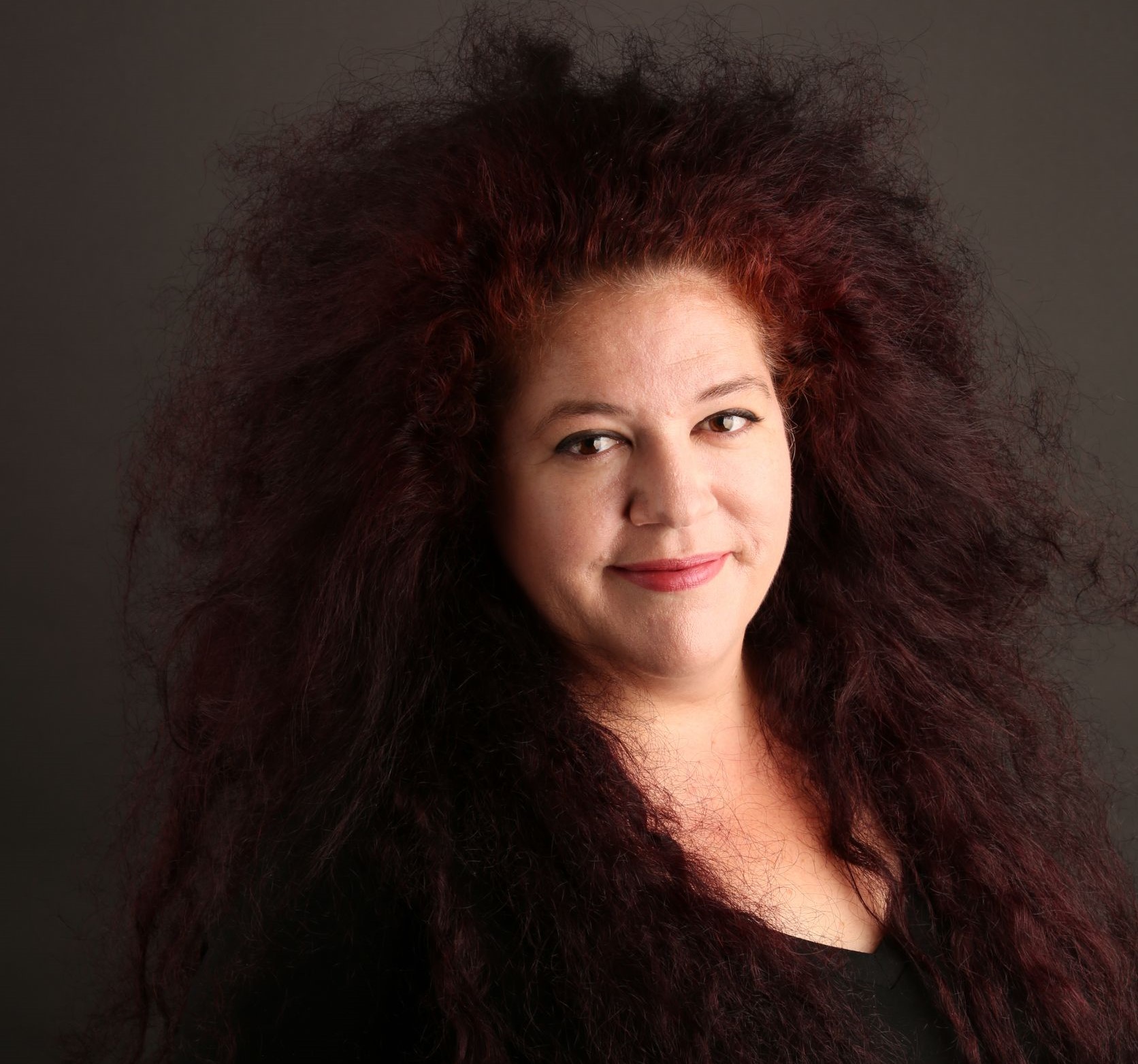
Reading the story about Radio Cayman celebrating 50 years, and the headquarters being renamed the Loxley Banks Broadcasting Centre (congratulations, sir), brought back a wave of memories for me and my family.
As we moved to the Cayman Islands in 1975, 51 years ago, Radio Cayman has always been a part of our lives here since it first went on the air. Remember, kids, there was a time when we had no TV, no internet and no iPads. Everyone would settle around the radio to hear everything from their favourite music to important local and international news.
Back then, names like Norma McField, Alson Ebanks and, of course, Loxley Banks, were like our Caribbean Barbara Walters, Larry King and Walter Cronkite. To we children, they were famous – because we heard them on the radio. I actually called Miss Norma this week to chat about the programmes I remembered. I didn’t have a mobile contact for her; just a general number for the radio. As soon as a woman answered the phone, I knew it was her. That voice was unmistakable.
One of the first recollections that came to me was when our family was living in Sun Sand Cottages – a set of houses on a lane that ended at Seven Mile Beach. Of course, they are no longer there. Ms. Piper’s and the Hampton hotel now sit where they used to be. It was an idyllic neighbourhood, and we would play with the kids from the other houses every day after school and on the weekends.
Our very first helper, Maria, was a fantastic character. There wasn’t an ounce of fat on her – she was all sinew and muscles. She had a great sense of humour and smoked like a chimney. On days we were home from school, we would listen to Radio Cayman with her and she would give a running narrative on it all. I’m sure there was the odd day we pretended to be sick so we could just stay home with Maria and listen to the radio.
But you really had to fake that illness, because my mother could sniff out a bad actor at 20 paces. At noonish, Radio Cayman would offer ‘Midday Meditations’, followed by old British game shows around 2 o’clock. The marvellous wit of Frank Muir and Denis Norden, along with other famous guests, would come wafting over the airwaves. Such brilliant writing in those days.
Come the early evening, at least half the island would tune in for the latest episode of ‘The House of Gold’. And that’s not hyperbole; loads of people followed that show. If they weren’t at home, they would gather at local watering holes to catch the daily update. For example, there are tales of punters settling in around 5pm at the beloved Driftwood Bar in North Side, which would set the dial to Radio Cayman at the appointed time so they wouldn’t miss a plot twist.
I had to learn more about this popular programme from my youth, and wondered if there was any information on the web. Sure enough, there it was: “‘The House of Gold’ is a vintage Australian radio serial produced by Grace Gibson Productions. Consisting of 130 episodes (each about 12 minutes long), this sweeping daytime drama follows sibling rivalry and murder plots over the inheritance of a massive English country estate named ‘Golden Acres’. It features brothers Daniel and Rufus Gold, and their children, Nicholas and Bella, who contend with the murderous Selina Dale. The story moves between the English countryside and a dangerous, gold-seeking frontier.”
How fabulous is that? I bet that even though the episodes were short, the discussions and theories shared over beers went on for much longer. I think it only played on the weekdays, so that was six months of intrigue and cliffhangers to keep everyone entertained.
Local news and reports from the BBC World Service happened around 6pm and then, around 7pm, it was request time. For any of us who had birthdays, that was when the volume was cranked and everyone had to be quiet, lest we miss particular names being called. Y’see, if you physically went to the station and dropped off a request for a birthday to be acknowledged in the programme, it got read out.
There was something terribly exciting about hearing your name ON THE RADIO! Could fame and fortune be far behind? Radio Cayman had that wonderful public accessibility, and when we were young, it felt like CNN had just wished us all the best for our special day.
Often, the next day at school, our friends would acknowledge that they’d heard it, so that was an added bonus.
In a world before Facebook, it guaranteed belated greetings from those who had forgotten.
Talk shows always brought some lively debate. Doren Miller, the endlessly patient host of ‘Open Line’ (the first audience-participation programme in Cayman), regularly dealt with the odd caller sounding discombobulated as they attempted to give their opinion on the subject of the day. This would be subsequently addressed by him repeatedly asking them to “turn your radio down”, as the delay between hearing their voice on the phone and their stereo threw them off getting their point across.
There would be some music programming in the night, maybe another news item or two, and then everything would wind down with the ‘Serenade’ time, featuring a selection of classical music. The last item before it went off the air was a recording of a local choir singing ‘Beloved Isle Cayman’.
Of course, Radio Cayman wasn’t just known for its regular programming. It was there for special events as well. One of the most prominent was the annual NCVO radiothon.
Spearheaded by the late Olive Miller and Richard Arch, firmly ensconced at the radio’s headquarters every year, it was a night when appeals would go out to the public over many hours, asking them to donate to the charity.
Although residents could stop by the station and hand deliver their money, the majority of the time, volunteer drivers had to make their way to homes all over the island to pick it up. With most of the roads unnamed back in the ‘70s and ‘80s, often the directions given were a combination of landmarks, white fences, take a right when you see the bull in the yard, pull in by the big poinciana tree … Reminder that there were no mobile phones; landlines only. So, if a driver couldn’t find an address, they had to let the station know, then the announcers would get on the mics and ask if the person who just called could please call back, or could they please step outside their house and look for a blue car trying to find them?
The message repeated throughout the night was that no donation was too small, but I always wondered if any of those drivers getting lost for half-and-hour questioned whether collecting $1 at the end of the labyrinth was worth it. Looking back, it really was. It allowed every resident to feel part of the fundraising efforts, and proud of doing their bit.
Just like with the birthday programme, hosts would read out as many donors’ names as they could. From time to time, a donor would call back to say that their name had been mispronounced, and could they please correct it over the air? I have such fond memories of that event. It was marvellous, such a sense of small-town community. Our family always used to listen in – it was never boring – and my parents would make their annual donation.
Let’s also not forget the vital part that Radio Cayman has played through hurricane threats and, unfortunately, strikes over the last 50 years. Even when the power is gone, the internet is unavailable, and communications have taken a real battering, Radio Cayman has been there, keeping the public informed – a calm voice in the storm. Long may it continue.
Happy 50th Anniversary, Radio Cayman!
Related Videos










Thanks Victoria for the walk down memory lane. Even though I don’t live in Cayman anymore, I still read the Compass and your column every Monday. With this column, you blew it out of the water. I have so many fond memories of listening to Radio Cayman. I use to keep a radio by my desk at work to listen, and remember listening to a morning soap opera named, “The Castleray Line”, and then the pop music show in the afternoon. I also remember, during the Gulf War, heading to Sunset House bar to catch the lasted news from the BBC World Service with the distinctive three bops when it was coming online. The whole place went silent until the broadcast was over. Great memories in serious times. Again thank you and keep up the good work.
I really appreciate you taking the time to comment, John. I confess that as I started writing it, so many memories came flooding back; I wondered how much I would be able to fit in. I kept remembering more and more things.
Thank you for reading our paper and my column. Lovely to get the positive feedback. (And, P.S., I knew there was a morning soap, but I could not recall the title for the life of me. Thanks for solving that mystery!)