We have to wonder how a person in the Cayman Islands would
feel if government were to take money from him and use it to do work on another
person’s private property.
The person who had to give up the money would probably be a
bit more than miffed.
But that’s exactly what has happened on the Brac, and
apparently in the past on Grand Cayman.
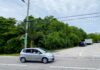
The Public Accounts Committee recently examined a public
interest report from Auditor General Alastair Swarbrick on Cayman Brac paving.
The unsettling thing is that some of the people who sit on
that committee saw anything wrong with spending public money to pave commercial
and private parking lots.
Their reasoning: It’s been done in the past. Oh, and it’s
not illegal.
Just because a law doesn’t prevent a certain action, it
doesn’t necessarily mean that action is correct and just because something was
done in the past doesn’t necessarily make it right.
To be fair, Mr. Swarbrick’s audit didn’t include past
actions of paving on private or commercial property; he was only looking at the
situation on Cayman Brac.
If the Cayman Islands is going to have a policy of using
money from the public purse to pave commercial and private property, then it
needs to be put into writing so that everyone will be clear on the issue.
But once you adopt such a policy, how far will the concept
be stretched? What’s to stop politicians – especially in an election year –
from using public money to pay for other private concerns?
What many – especially elected lawmakers – seem to forget in
the Cayman Islands is that the money that government uses to operate comes from
us.
Every time we buy goods and services in the Cayman Islands
we are contributing to the country’s coffers.
Should the government be in the practice of paving
commercial and private property? Only if that private entity is willing to pay
for the service.
There needs to be more accountability from our elected
officials when it comes to the handling of public finances.
Related Videos