Mark Nicoll is a guy who knows how to fix things.
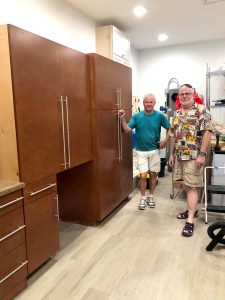
When he found a set of kitchen cabinets left over from a renovation project close to his home, he had them installed at Jasmine hospice.
On another occasion, he got a call about a cache of bamboo umbrellas dropped at a dumpster. With a little work, he was able to sell them on EcayTrade to help fund tools for the Community Shed, the do-it-yourself group he helped found in Grand Cayman.
Hurricane windows, steel doors, bathroom fixtures and fittings – many of them brand new – have all come through his hands after being diverted en route to the dump. He never has trouble finding them a good home.
But Nicoll, a former social worker, worries most about the materials he can’t save – ceramic tiles over-ordered for a new condo construction, discarded dishwashers that could have been fixed with a $20 part, pallets of plywood from a movie set.
Around 100,000 tons of solid waste are produced in the Cayman Islands each year – so much that the landfill risks reaching capacity before a new network of facilities is built to replace it. That waste includes goods and appliances that are brand new, good as new, or that could be repaired or restored, said Nicoll.
The proposal
He is advocating for the creation of a ‘Reuse Centre’ which could accept and store discarded materials and divert them to charities like Acts of Random Kindness, which carries out renovations on unsafe and unfit housing for families in need.
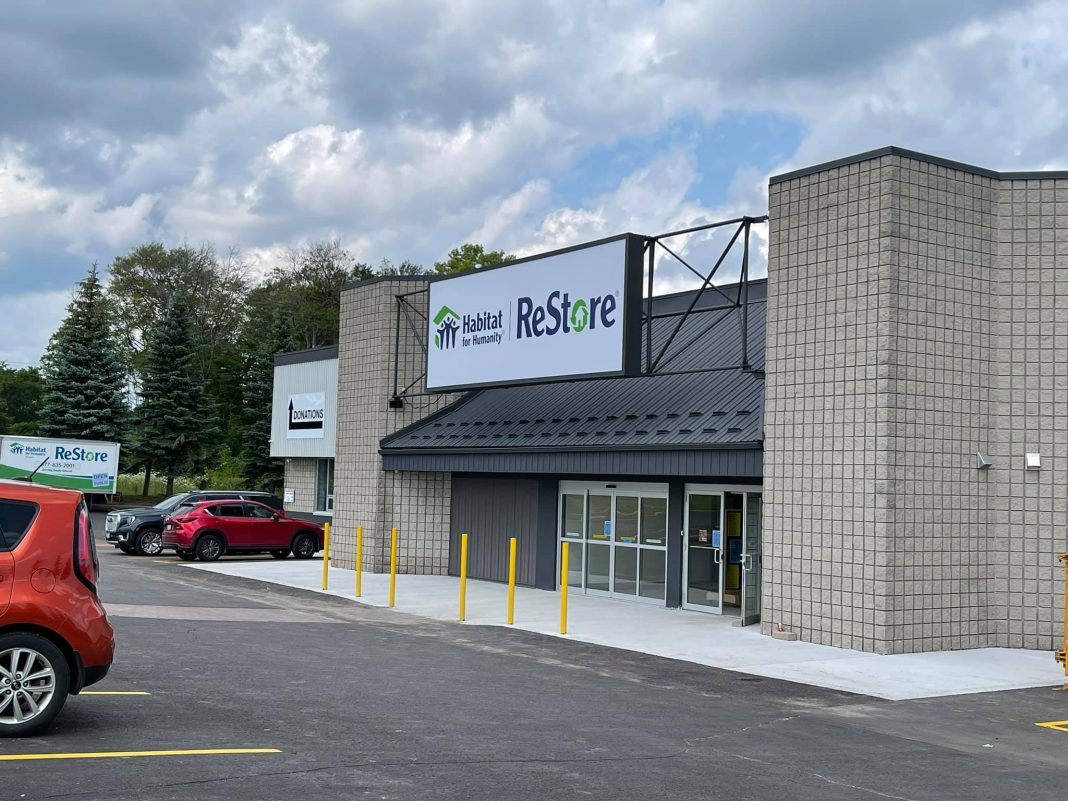
Nicoll proposes Cayman adopt a similar model to the ReStore outlets, operated by Habitat for Humanity, in Canada. As well as providing free materials for the charity’s projects, the stores sell cut-price hardware to the general public to help cover costs.
“Thousands of tons of perfectly usable construction materials and appliances go to the dump each year,” said Nicoll.
“ARK and other charities are desperate for materials that are getting thrown out every day. This is a simple solution.”
ARK founder Tara Nielsen supports the concept. She said the charity is often offered materials for its projects but has to turn some donors away because it has nowhere to store them.
Other advocates include Ken Thompson and Paul Pearson, co-owners of Davenport Development.
On almost every construction project, Pearson said, there are excess doors, windows, tiles, cupboards and other products.
Davenport keeps its extra goods in containers and tries to repurpose them where it can. It would be happy to donate them to charities like ARK if there were a manageable way to do so, he said. “On every project, for every developer, there will always be leftover materials,” Pearson added.
“We would definitely support something like a reuse centre. I would prefer all this stuff went to a good home.”
Reduce, reuse and recycle
The idea of ‘reduce, reuse, recycle’ underpins the integrated solid waste management strategy – a network of facilities and policies intended to replace the unsightly George Town landfill.
While the ‘waste-to-energy’ facility has been the most high profile aspect of that strategy, Cameron Graham, president of development delivery and infrastructure for Dart, said the project would include recycling components.
“The nine planned ReGen facilities include a household waste recycling centre to collate recyclable and non-recyclable household waste for recycling or reuse, and a 20,000-ton construction and demolition waste facility to divert oversized and recyclable materials,” he said.
Outside of its involvement with ReGen – the consortium that is leading the waste management project – Dart says it works in partnership with government and charities to reuse furniture and appliances from its hotel renovation projects. Following the renovation of the Comfort Suites last year, for example, decor from the guest rooms was donated to ARK and the Ministry of Community Affairs, said Pilar Bush, executive vice president with responsibility for community development at the company.
Start right away
While a reuse centre along the lines proposed by Nicoll is not specifically part of the current ReGen project, he said he had productive conversations with Dart and others about the concept.
He believes it is something that could complement the national solid waste management strategy and fill a need in the community.
“There is a very strong business case to start doing this right away,” he said. “Thousands of tons of usable material are being thrown away and this would prevent it from eating up space at the landfill and put it in the hands of people who really need it.”
From the public’s perspective, there is little that would be required, he added.
“Instead of driving it to the landfill, they would drive it to the reuse centre – that’s it.”
Related Videos