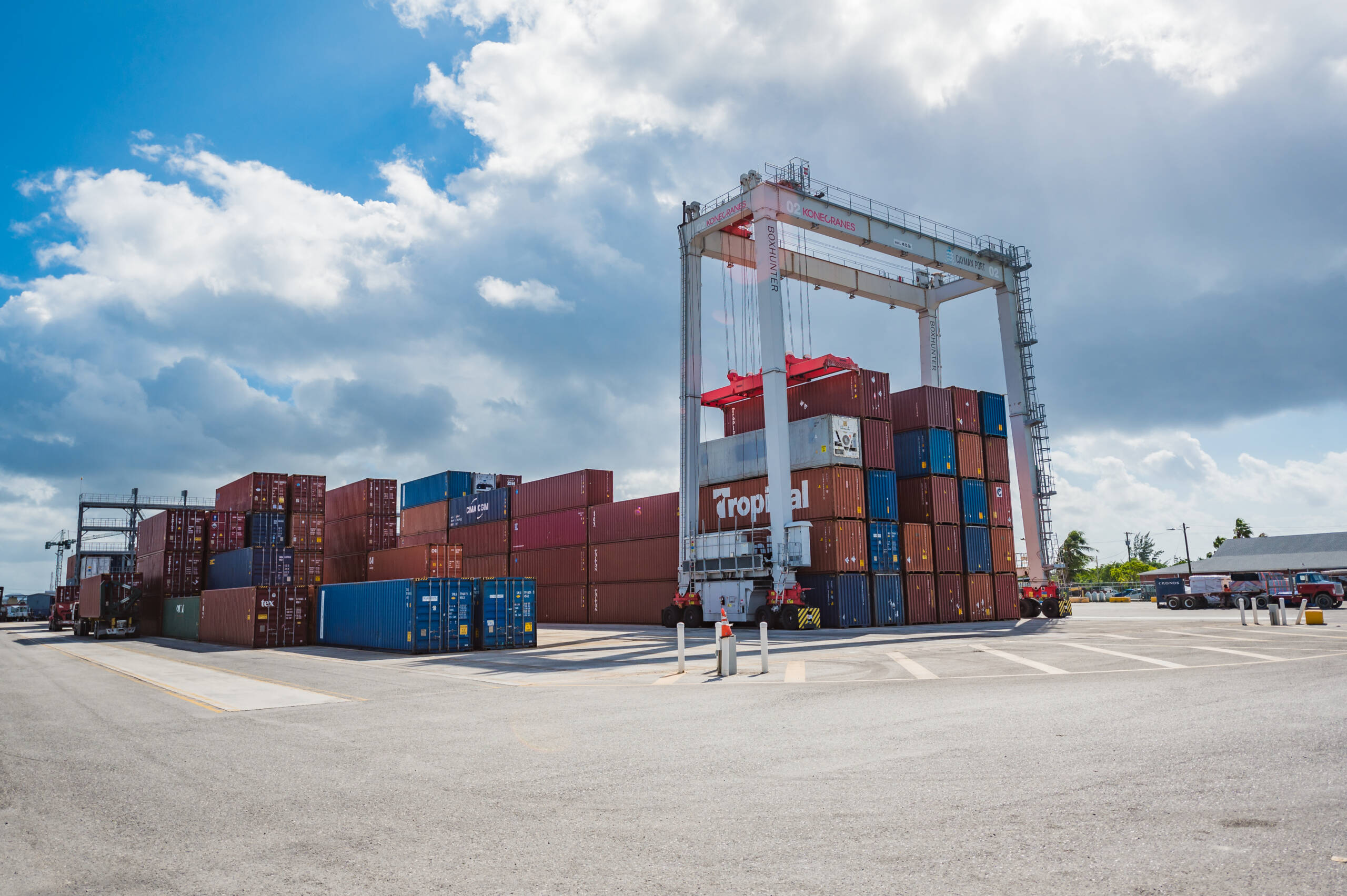
Cayman is on track for another record-making year for imports, having already surpassed last year’s overall total of 224,000 imports by mid-November.
Customs and Border Control expects that figure will continue to climb, as the Christmas season rolls in.

“To date, we’ve got 258,000 [imports.] So this year is great… we are now breaking numbers again as it relates to [importation] and this hasn’t stopped,” CBC Deputy Director Kevin Walton said, when he appeared on the 17 Nov. episode of the Cayman Compass talk show ‘The Resh Hour.’
Imports rise as fewer people travel
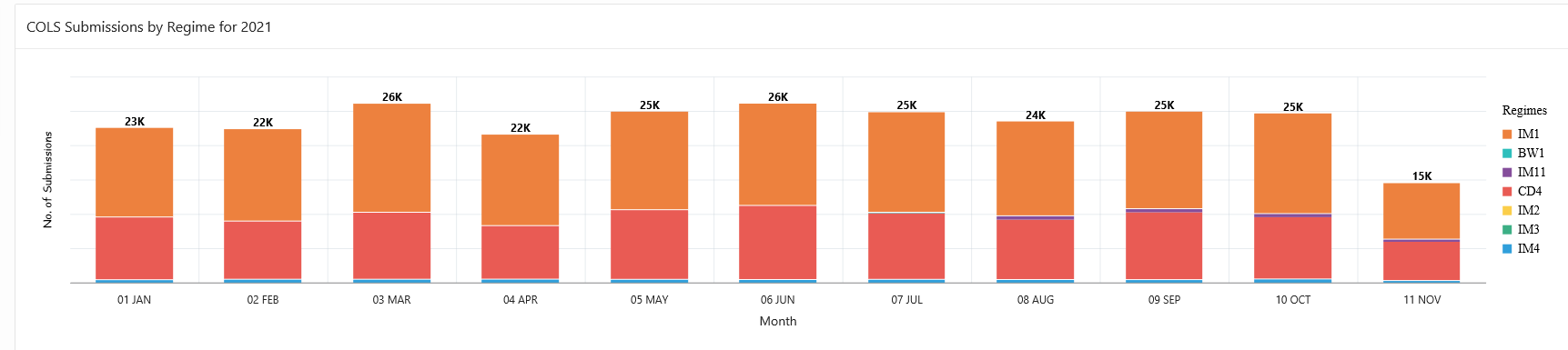
According to CBC statistics shared with the Compass, almost every month – with the exception of November, since imports are still being received – the level crossed the 22,000 mark in terms of the number of goods arriving in Cayman.
March and June tied for the highest number of imports with 26,000 apiece.
“Thus far, for November we’re at 14,536 [as at 17 Nov.] so we anticipate that we will break the barrier as it relates to imports. November is almost finished and we don’t have many complaints that we hearing about, so I think we are doing an excellent job thus far,” Walton said.
He said this time around, people are more familiar with the CBC system when importing goods, which has assisted in a smoother process.
Last year, imports spiked from June, staying above the 22,000 mark; December ended with a record 29,000 imports.
Walton said last year’s high imports were attributed to the fact that most people could not travel and therefore they turned to importing items, rather than purchasing them in-person overseas.
“In addition… remember we had the pension funds release. So people had that extra income to be able to buy. We thought that after that period of time, we’ll start to see a slow trend of reduction, but it hasn’t [slowed]; it continues. Not only are we talking about personal imports, but we also have a lot of business imports because people are not able to travel. Businesses are importing more goods to sell,” he added.
The boom in construction, he said, also added to the overall increase in imports over the last few months.
Revenues set to hit targets
CBC and Labour Ministry Chief Officer Wesley Howell, who also appeared on the show, said the increased import numbers were welcomed, as other areas of government’s revenue were not doing so well due to COVID-19.
“I think the government is in a very enviable position globally. For a government to be able to have this level of operation with our construction and the financial services industry bubbling away very healthily, even though we have some aspects related to tourism and otherwise that are impacted by the reduction in travel… Overall the government’s in a quite a healthy position,” Howell said.
Walton said, with CBC being a vital driver of revenue for the government, there were targets set out for the department to hit.
“The forecast for 2021 was $206 million. At the end of October, it should have been around $171.816 million… we had a variance of $2.5 million,” he said.
This, he said, took CBC, at the end of October, to $169 million in revenue.
However, Walton said they should meet the projected target by year-end.
“With the increase in imports, we are confident that we’ll meet the forecasted amount… November and December being our largest months to collect revenue based off imports,” he explained.
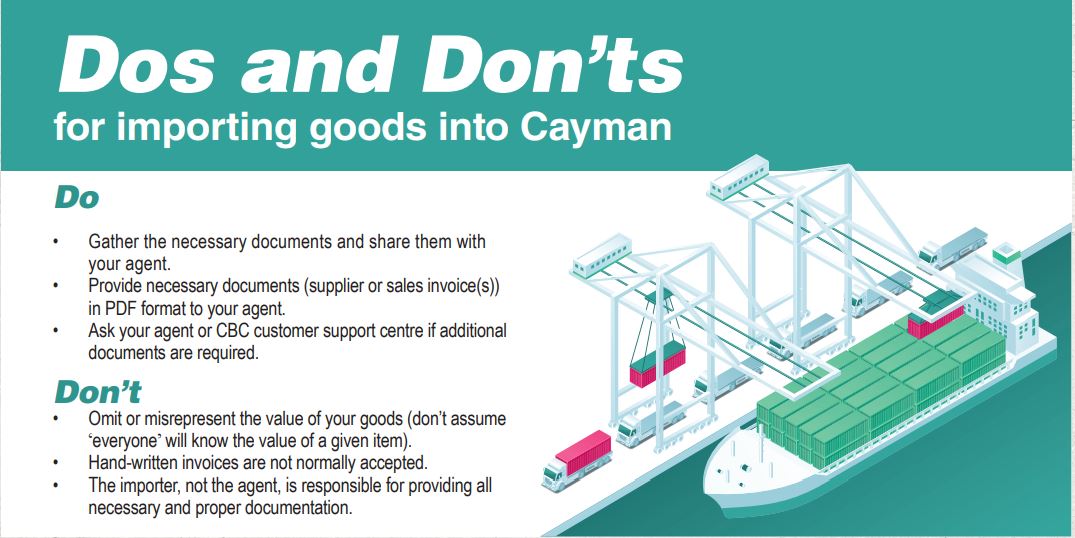
He encouraged the public to ensure they secure their import documents and authorised agents early, once they know they are expecting an import, to assist CBC in processing it quickly and reducing the backlog of goods.
“Don’t wait until your goods get here and expect us to work miracles for you. Do your registration. Do your part, take responsibility and get registered and appoint agents,” Walton said, as he pointed out that the process to register is simple and is done online.
Walton and Howell also commended the CBC team for their hard work clearing the thousands of imports.
“They have been working in the front line… risking their health, as well as their family’s. [They are] away from their families working long hours, making sure that we continue to keep the economy going – especially from a trade aspect – ensuring that we have essentials, medicines, fuel and other very important goods arriving and making sure that companies and the businesses can continue to flow,” Walton added.
Related Videos