

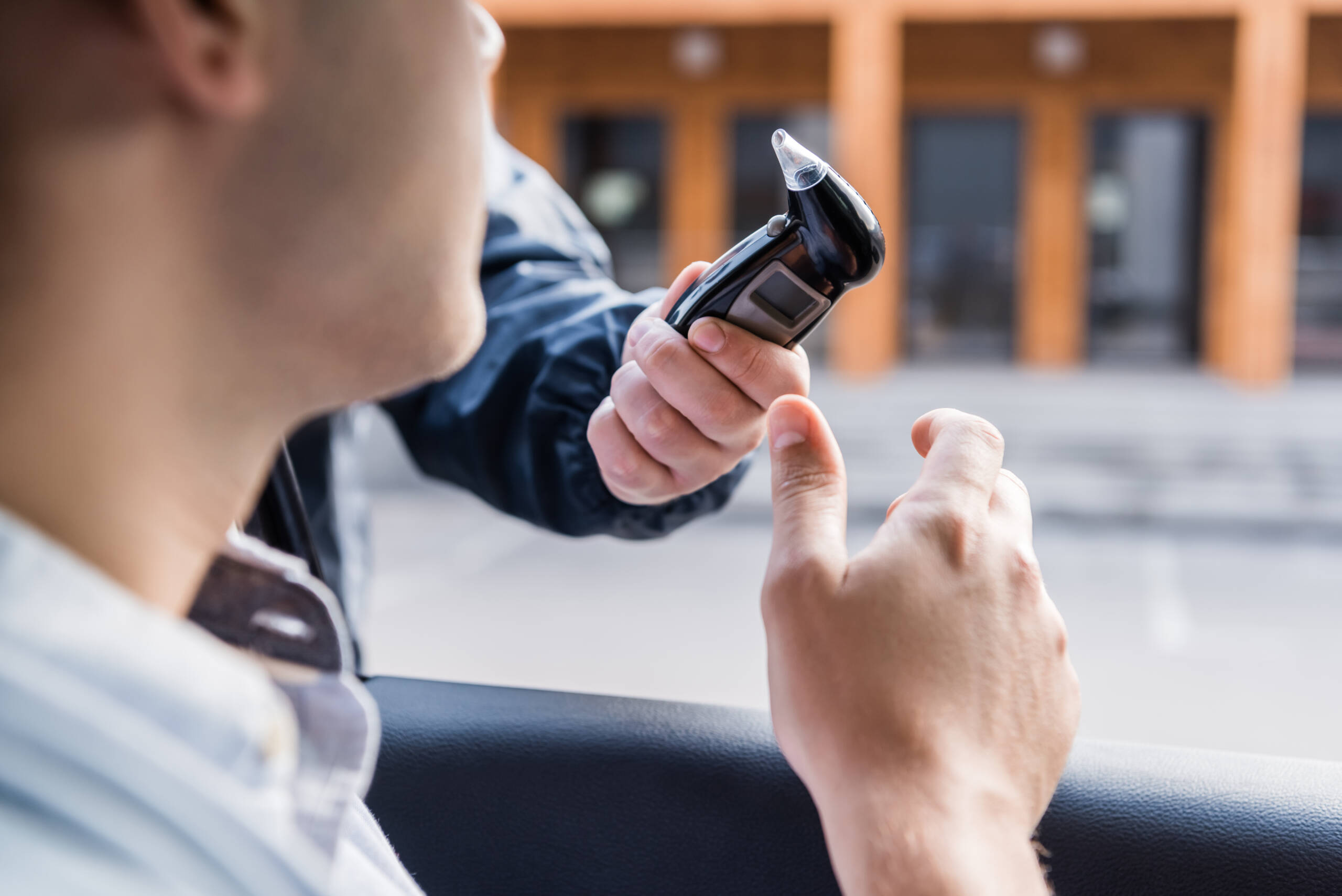
The government is considering lowering the legal blood-alcohol level for drivers in the Cayman Islands, which currently has some of the most lenient drink-driving laws in the world.
The blood-alcohol limit in Cayman is 0.1%, meaning a person’s blood contains one part alcohol for every 1,000 parts of blood.
Addressing Parliament on Friday, Premier Wayne Panton, as he outlined the government’s budget plans, said it was a priority to tackle “alarming” road-safety issues, which he described as “quite frankly, unacceptable”.
“We will start by lowering the blood-alcohol threshold,” he said. “We are not in line with the modern world. We are too tolerant of drunk driving. People can have their fun but they need to be responsible.”
According to several websites comparing legal blood-alcohol levels for drivers around the world, the Cayman Islands, at 0.1%, has the highest limit among countries where such limits exist. However, while no other country has a higher limit, some places have no blood-alcohol drink-driving limit at all.
In comparison to Cayman’s 0.1% threshold, the maximum blood-alcohol limit for driving in Jamaica, the United Kingdom, the United States and Canada is 0.08%. In Ireland, Germany and France, it is 0.05%.
The Scandinavian countries of Norway and Sweden have some of the lowest levels in the world, at 0.02%, although a few other countries, such as Afghanistan and Vietnam, operate a zero-tolerance policy and anyone who has consumed any alcohol and then gets behind the wheel of a car in those countries faces penalties.
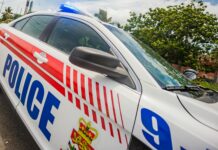
According to the Royal Cayman Islands Police Service roundup of statistics for 2020, 228 people were summonsed for driving while under the influence of alcohol, compared to 272 for 2019.
In about 27% of those incidents in 2020, the driver was found to be at least double the legal limit when breathalysed by officers. There were four DUIs where the reading was greater than 300 mg of alcohol per decilitre, three times the legal limit.
Police also reported that 40% of all DUI offences involved a motor-vehicle accident.
A person convicted of driving under the influence of alcohol, or drugs, in Cayman is liable on a first offence, to a fine of $1,000 or to imprisonment for six months, or both. On a second or subsequent offence, they can be fined up to $2,000 and to imprisonment for 12 months, or both. Also, on a first or any subsequent offence, a driver convicted of DUI is liable to disqualification from driving for 12 months.
The World Health Organization recommends that countries should adopt legislation stipulating upper blood-alcohol limits of 0.05% for most drivers, and a lower limit of 0.02% for novice and commercial drivers.
Editor’s note: This story has been amended to reflect the correct penalty for a person convicted of DUI.
Related Videos







The blood-alcohol limit in the UK is 0.08. Scotland lowered theirs a few years ago to 0.05 and this noticeably changed behaviour, not only in people drinking less and driving (even one beer or glass of wine can then take you over the limit), but that even if going out without a car people have stopped drinking much, as if they know they have to drive to work the next day they now know they can easily still be over the limit.
I’d love to see Cayman drop it to 0.05 (and wonder why not announce that today rather than say “considering it”), and to then have RCIPS do spot alcohol testing in the mornings, for example the day after public holidays.
How many ‘still drunk the next morning’ accidents actually occur? At some point you’re legislating for a problem that does not exist. And illogical rules are rules that people feel legitimised in not obeying. Which goes against the goal of ‘do not drink and drive’.
How about just getting the police to enforce the current laws more rigorously, great place to start.
Now you just need to lower the price of a cab to encourage people not to drink and drive…
I understand it’s a $ 200.00 fine for not coming to a compleat stop at a stop sign…. To see someone actually STOP at a stop sign in Cayman is rare ( unless there is traffic coming their way) add up the all the junctions with a stop sign and the number of non-stoppers x $200.00 then cut that 1/2 ( police cant be everywhere ) just imagine the fine $$$ dollars pouring into the treasury. And and lets not forget the follow to close tailgaters, the huge marl trucks with no cover and no visable license plate , no seat belt drivers, on the cell phone….and … you get the picture.