Prison visits are being restricted to relatives of inmates as part of sweeping new COVID-19 regulations now in effect in response to the detection of the highly transmissible Omicron variant.
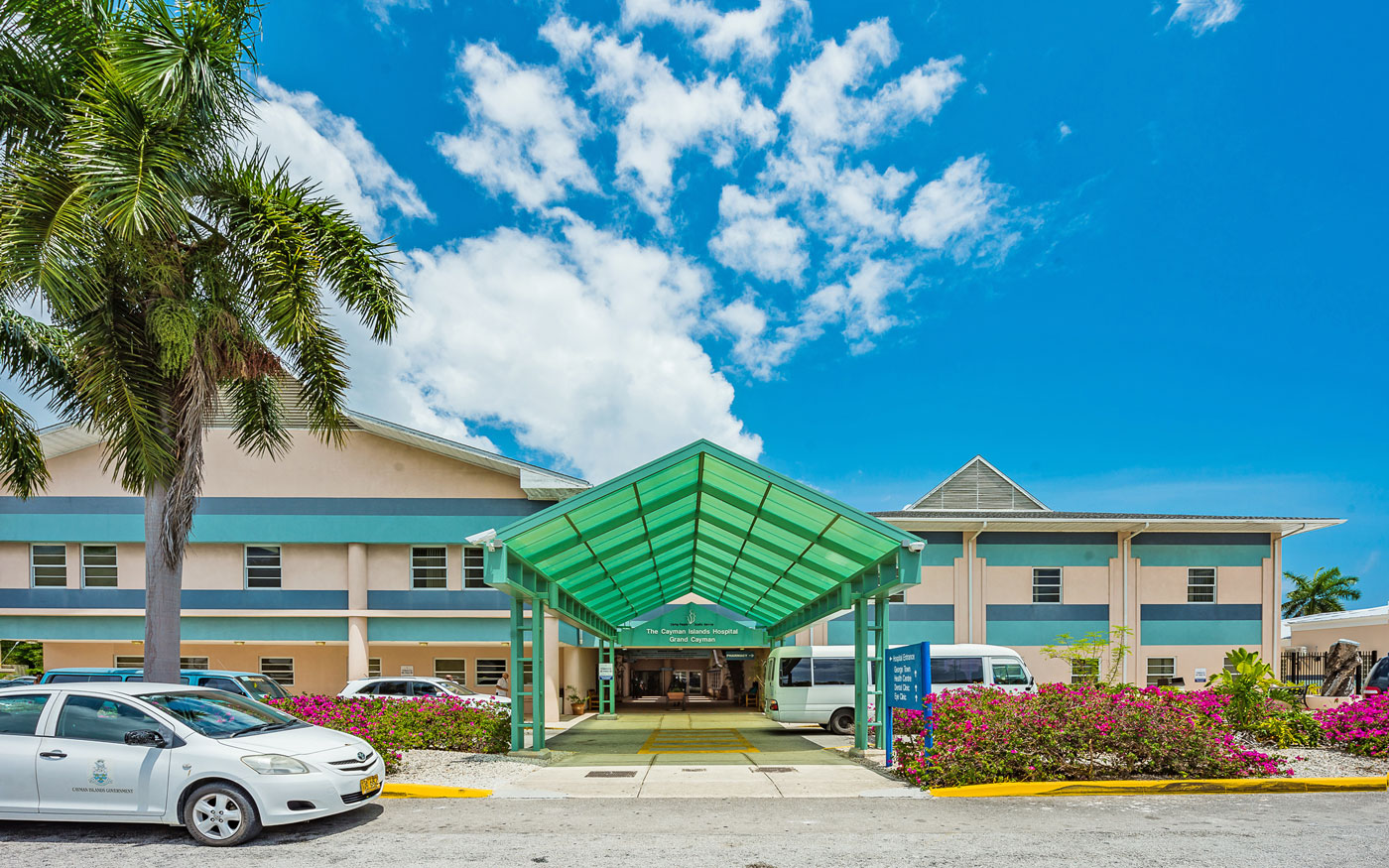
The new rules also require visitors to hospitals, residential home care facilities and local prisons to provide a negative COVID-19 test taken on the day of their visit, or have an approved test administered at the facility before being granted admission.
“A person who wishes to visit a detainee in a place of detention or a prison must be a relative of the detainee,” the new rules state.
Government also created ticketed offences for anyone breaching the new requirements, with fines ranging from $250 to $500.
The changes were approved by Cabinet on Friday and subsequently published in the gazette.
Changes have also been made to public gathering limits and bar/nightclub operating hours.
The amended regulations form part of government’s response to the highly transmissible Omicron variant, which was detected in the Cayman Islands this week. There are four confirmed cases of the variant so far.
On Friday evening, interim Chief Medical Officer Dr. Autilia Newton reported 35 new COVID-19 cases, which came from 760 PCR tests conducted in the 24 hours from midnight Wednesday to midnight Thursday.
On Thursday, Premier Wayne Panton announced the looming changes, urging businesses to implement work from home as a “default approach” to the highly contagious COVID-19 variant, which vaccines appear to be less effective against.
Visitation to healthcare, residential home care and detention facilities
Persons visiting a patient in a hospital, residential home or prison setting, under the new rules, must either provide proof of a negative approved test, taken on the day of visit, or administer an approved test at the facility before being granted admission.
Accompanying the changes are ticketed offences, such as visiting a patient in a health care facility without having had an approved test. This offence carries a $500 fine.
Anyone visiting a residential home care facility or the prison without a negative result of an approved test will be subject to a $250 fine under the amended rules.
Public meetings/gatherings
Government has removed the previously implemented rule that allowed for partitioned sections for large events of over 250 persons.
Events must now be limited to 100 persons for indoor venues and 250 persons for outdoor venues.
There is no longer an exemption to exceed the public gathering limit if event organizers require attendees to utilise approved tests, a Government Information Services statement said.
In addition, closing hours at bars and nightclubs will be reduced to midnight until 30 Dec., starting Friday, 17 Dec.
Travel changes
Under the new rules, government lifted the additional quarantine requirement for travelers from restricted countries in light of the current rate of Omicron transmission globally.
According to the GIS statement, the new regulations also update the terms “departure” or “departure of the person’s flight to the Islands” to allow travellers that have obtained a direct airside transit visa 24 hours in between their connecting flights to enter the Cayman Islands.
Travellers who have direct airside transit visas are not allowed to leave the airport.
Positive LFT testing
Under the new rules, households of persons who have tested positive for the Omicron variant must isolate for a minimum of 14 days regardless of their vaccination status.
Public Health also now requires persons who receive a positive Lateral Flow Test (LFT) result for COVID-19 to be tested using the Polymerase Chain Reaction (PCR) method.
Those testing positive, whether via a self-reported LFT or a Certified LFT, must take a PCR test at the next available opportunity.
Testing for these individuals takes place daily from 1-2pm at the South Sound Community Centre, GIS said.
“The public is reminded that it is mandatory to report a positive LFT result and to follow Public Health’s guidance on isolation. Persons who fail to report their positive LFTs are guilty of an offence and liable upon conviction to a fine,” the statement said.
Related Videos