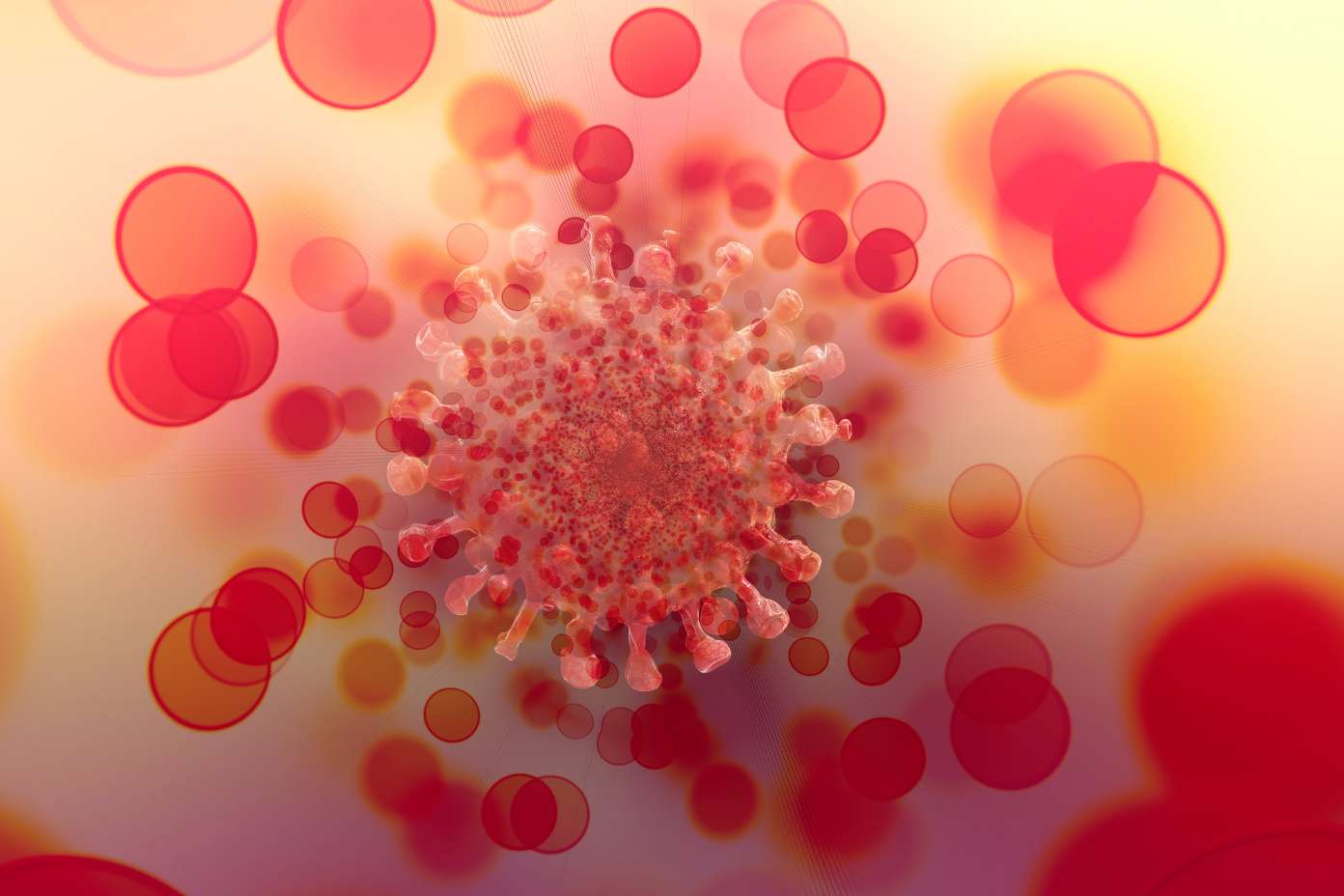
The Ministry of Health, Environment & Sustainability, together with the Public Health department, has confirmed it is monitoring the emergence of a new COVID variant, NB.1.8.1.
The variant, a descendant of Omicron, was first identified in Singapore in January and has since gained ground globally. Data from the World Health Organization, gathered from the GISAID global virus genome database, shows that NB.1.8.1 accounted for 10.7% of all sequenced COVID-19 cases worldwide between 21–27 April, up sharply from 2.5% just a month earlier.
Recent GISAID data shared by Dr. Raj Rajnarayanan, assistant dean of research at the New York Institute of Technology, shows that as of 26 May, NB.1.8.1 made up 7.5% of COVID-19 cases in the US, making it the third most common variant. Globally, it ranks second, accounting for 12.6% of cases.
The WHO has now classified NB.1.8.1 as a “variant under monitoring”, citing its growing prevalence and certain genetic features that distinguish it from earlier strains. Still, the global public health risk is currently assessed as low.
In a statement released Friday, Cayman’s Chief Medical Officer, Dr. Nick Gent, said the ministry is not concerned about the potential impact of NB.1.8.1 to the community.
“There are no reports that illness caused by this new variant is more severe than other strains,” he said.
Likely arrival of the variant in Cayman
“It is highly likely that this variant will arrive in Cayman,” said the CMO, noting the transient nature of the local community.

Historically, the Cayman Islands has experienced introductions of variants such as Delta and Omicron, often linked to international travel. Given Cayman’s status as a tourism destination, particularly for travellers from the United States, the risk of importation remains present.
The variant has already been detected in international travellers arriving at airports in California, Washington, Virginia and the New York City area, according to CBS News, citing records from the CDC’s airport testing partner, Ginkgo Bioworks.
Dr. Gent stressed that current COVID-19 vaccines are still expected to provide protection against both symptomatic and severe disease from this variant.
Vaccines and hybrid immunity
Medical Officer of Health Dr. Samuel Williams-Rodriguez, confirmed that Public Health is working to secure updated COVID-19 vaccines, which are now distributed on a seasonal basis.
“We will inform the public once vaccines become available through our local clinics,” he said.
As global infection rates decline, Cayman has shifted from monthly COVID-19 vaccination schedules to a seasonal model.
Dr. Williams-Rodriguez added that the country is expected to benefit from strong hybrid immunity thanks to a combination of high vaccination and booster uptake, as well as past infections, providing added protection against severe illness.
Same symptoms, same precautions
The symptoms associated with NB.1.8.1 appear to mirror those of other Omicron variants, including fever or chills, continuous cough, loss or change of taste or smell, shortness of breath, fatigue, muscle aches, headache, sore throat, runny or stuffy nose, loss of appetite, diarrhoea and nausea or vomiting.
“The HSA remains both vigilant and prepared to deal with the management of illness caused by COVID,” Dr. Williams-Rodriguez said.
Health officials are reminding the public that good hygiene — regular handwashing, covering coughs and sneezes — and staying up to date with vaccinations are still the most effective ways to protect yourself and others.
COVID in Cayman
More than five years since COVID-19 was first declared a pandemic, waves of infection continue to emerge from time to time.
Monitoring the virus has become more difficult as testing and case reporting have declined. However, as of 13 April 2024, when the official coronavirus tracker was discontinued, Cayman had recorded 31,472 confirmed cases and 37 COVID-related deaths.
Related Videos