

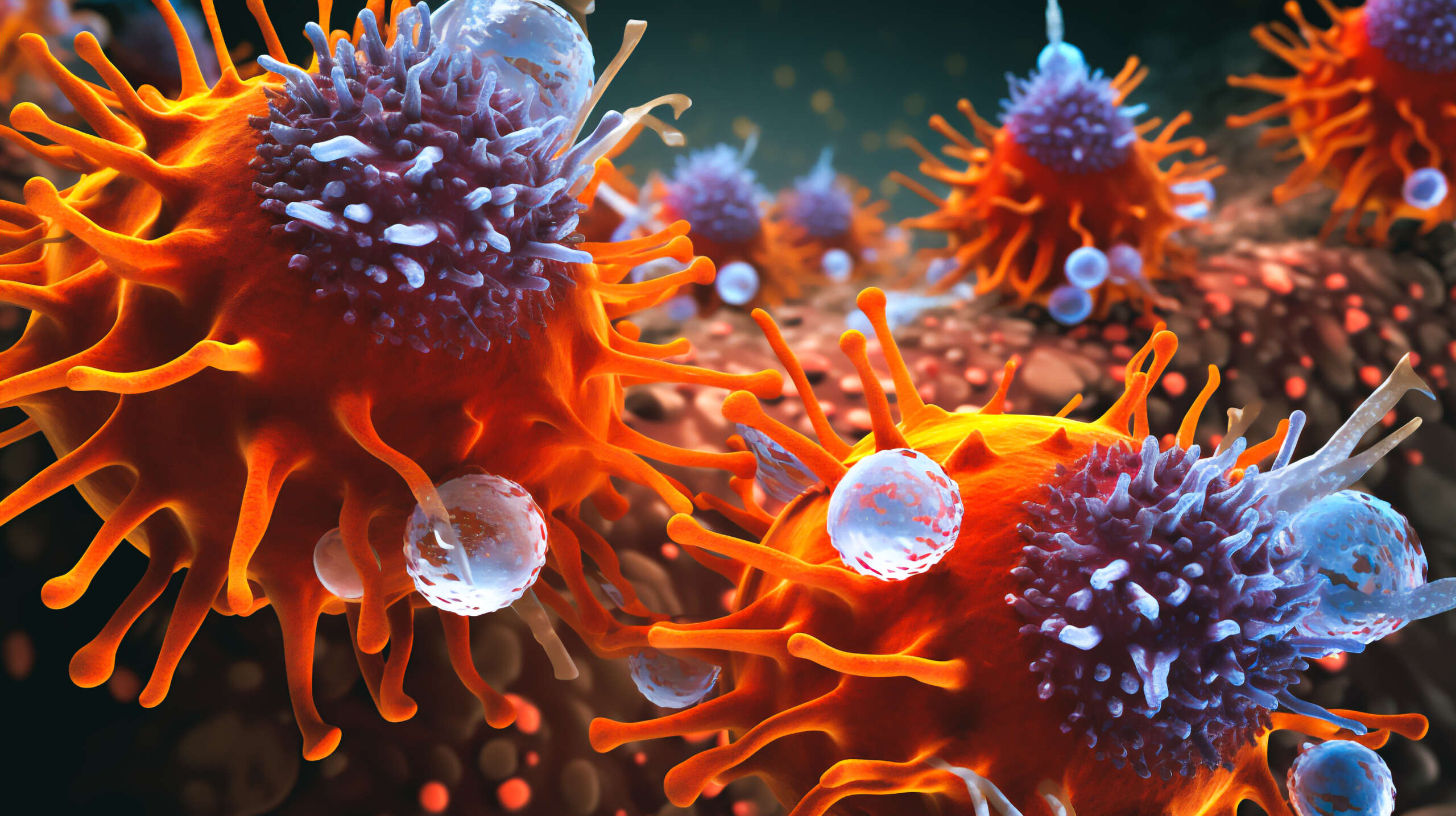
Chief Medical Officer Dr. Nick Gent has said it is only a matter of time before the new Omicron variant BA.2.86, unofficially called ‘Pirola’, is discovered in Cayman, although no cases of it have been formally detected.
“We genetically sequence cases of COVID-19 where a swab has been taken, and, so far, no cases of BA.2.86 have been detected in the Cayman Islands, but almost certainly we will discover cases here sooner or later,” Gent told the Cayman Compass Friday in response to queries on the latest COVID strain.
Clinically vulnerable may wish to mask up
Respiratory illnesses in Cayman have been on the rise, and health officials have urged those feeling sick to stay at home.

When it comes to wearing masks with the current spread of viruses, Gent said, “Clinically vulnerable people may wish to wear suitable respiratory protection (masks) when they are in crowded places, but I am not recommending that the public should routinely wear masks.”
The BA.2.86 variant is said to be the virus behind the current surge of COVID cases in the US, and it has been detected in the UK, Israel, Denmark and Japan, among other countries.
Gavi, the Vaccine Alliance, has said the World Health Organization “is currently classifying BA.2.86 as a variant under monitoring, based on the large number of mutations it contains – at least 30 as compared to the ‘Kraken’ (XBB.1.5), and ‘Eris’ (EG.5) variants”.
However, it said, WHO has not been tracking the variant for long enough to understand “whether BA.2.86 is outcompeting other variants, or what the impact of these mutations will be. Even so, many scientists are predicting that they will make it harder for our immune systems to recognise and mount a strong response.”
Strain monitored globally
Gent said, in many ways, the ‘Pirola’ variant varies “very little” from common strains.
“It causes COVID-19 infections that are indistinguishable from other Omicron/Delta variants that we have seen before. Currently, there are no indications that it causes more severe disease than previous variants,” he said.
However, he added, concerns being raised by a number of scientists are that there are some new mutations on the spike protein of the virus.
“This is the part of the virus that enables the virus to infect human tissues, such as the lung and gut, but importantly it is the part of the virus that is targeted by vaccines. So far, we have no indications that immunity from vaccines or past infections is less protective against BA.2.86,” Gent said.
He noted there are no reasons to believe from current early evidence that the BA.2.86 strain will create more severe disease, or escape immunity from past infections and immunisations.
However, he said, “There are a number of circulating respiratory infections, and we need to protect ourselves against all of these viruses. Practise good hygiene, covering mouth and nose when needing to cough or sneeze, washing hands regularly and properly (soap and water for 30 seconds), and remaining at home if symptomatic, especially fever”.
On Tuesday, the US Centers for Disease Control and Prevention recommended a COVID-19 vaccine updated for 2023-2024 for everyone aged 6 months and older to protect against serious illness.
“People vaccinated with Moderna’s updated COVID-19 vaccine, which includes a component that corresponds to the XBB lineage of the Omicron variant, showed a strong immune response against some of the variants that are common now (XBB.1.5, EG.5.1, and FL.1.5.1),” the CDC said.
“They also had an overall boost in COVID-19 immunity that may have waned since their last vaccination or infection. Their antibody responses after vaccination were about 17-times higher against XBB 1.5 and about 10-times higher against BA.2.86 (a rare new variant that CDC is closely monitoring) compared to before vaccination.”
Personal hygiene
Cayman’s vaccination against COVID has moved to a seasonal booster for the vulnerable and elderly in the community.
“Early evidence suggests that immunity from past infections and/or vaccines will offer good protection from severe disease,” Gent said.
At present, Cayman does not have boosters available to the public, but a Health Ministry spokesman said Gent and the ministry are working to get a supply in.
The public will be advised when boosters will be available.
The chief medical officer added that taking a routine lateral flow test, now referred to as lateral flow device (LFD), for COVID-19 is not recommended.
He explained that the issue with the current home tests available is that they only detect SARS-CoV2, including the Omicron variants such as BA.2.86, and they do not detect other important diseases that are spread from person to person, such as influenza.
“During the pandemic period, the only circulating respiratory infection was from COVID-19, so an LFD test was useful to confirm that symptomatic illness was due to COVID-19 infection. Now that there are multiple respiratory infections in circulation, all of which we want to suppress but for which no simple universal test exists, our policy has changed to one based on symptoms alone as that makes more sense in the context we find ourselves in now,” he said.
It is not necessary to take a COVID-19 test if one develop a respiratory illness, Gent said, “but if you do take a COVID-19 test because you have a respiratory illness, you should remember it cannot diagnose ‘flu or other infections and you should still follow the guidance about staying away from school/workplaces whilst you remain unwell.”
Current advice for anyone suffering from a respiratory infection, whether caused by COVID-19, influenza or the common cold, Gent said, is to remain at home if symptomatic, for example, with fever, coughing, running nose, muscle aches and chills.
He says the recommendation is for people to return to work after being symptom free for a minimum of 24 hours, or 24 hours after a person’s fever breaks.
He also urged the community to practise respiratory hygiene – cover mouth/nose when coughing/sneezing, use masks when appropriate, use tissues and dispose of them properly, and wash/sanitise hands before/after touching mouth/nose.
For those who may be feeling unwell, Gent suggests that, for most people, simple home remedies, plenty of fluids, and use of simple analgesics, such as paracetamol or acetaminophen, will help.
“But seek medical advice if symptoms become more severe, or if clinically vulnerable – as you should for any respiratory illness, including any variant of the COVID-19 virus,” he added.
Related Videos









Take precautions, enhance personal hygiene, and do whatever is necessary to boost your Immune….