Cayman’s Ministry of Health is advising local residents “to stay alert and take preventative action” as measles cases in the United States soar to levels not seen since the disease was declared eliminated there a quarter-century ago.
The US Centers for Disease Control and Prevention recently issued a Level 1 Global Travel Health Notice for Measles, warning unvaccinated travellers to reconsider air travel due to the rapid spread of the disease across airports, airplanes and other major travel hubs. The advisory stated that measles is “an ongoing risk around the world, and more international travelers are getting infected”.
In a statement issued 11 July, Cayman’s Chief Medical Officer Dr. Nick Gent warned of a possible risk of imported measles cases due to the islands’ close travel ties with the US, but emphasised that “the risk to the local population remains low, particularly for those who are fully vaccinated”.
His comments follow a travel alert issued by the Health Services Authority on 26 April, advising residents returning from the US to seek immediate medical attention if they develop fever and rash symptoms.
Global measles outbreak hits close to home
According to Johns Hopkins University, as of 11 July, more than 1,290 measles cases have been reported across 39 US states, with Texas accounting for over 60% of them. Florida, a frequent destination for Caymanians and a key hub for incoming visitors, has reported four cases so far this year, including one linked to an infected traveller who passed through Miami International Airport in June. Of the cases tracked in the US, 92% were in unvaccinated individuals.
The Pan American Health Organization warns of a 29-fold increase in measles compared to the same period last year, with 7,132 cases and 13 deaths confirmed across the Americas, including in Canada, Mexico, Peru, Costa Rica, Argentina and Bolivia. Canada alone has reported more than 3,000 cases.
Between January and May this year, Cayman welcomed more than 180,000 visitors from the US – its largest tourism market – along with nearly 17,000 Canadians. At the same time, more than 17,000 Cayman residents travelled to the US, many on tourism visas.
Is Cayman at risk?
Gent stressed that the health ministry is closely monitoring the situation in the US and urged residents to ensure that they are vaccinated.
“Vaccination is the best and safest way to prevent infection and limit the potential for outbreaks,” he said. “The measles, mumps, and rubella (MMR) vaccine is available free of charge from Public Health and provides about 97% protection after two doses.”
Earlier this year – in response to new cases in the Miami area – the Public Health Department ramped up its vaccination campaign, opening a dedicated MMR clinic. Currently, children receive the first dose of the MMR vaccine at 15 months old and a second at 18 months, but the ministry is reviewing plans to move the first dose to 12 months.
Symptoms
Measles, one of the world’s most contagious viruses, spreads through airborne droplets and can linger in the air or on surfaces for up to two hours.
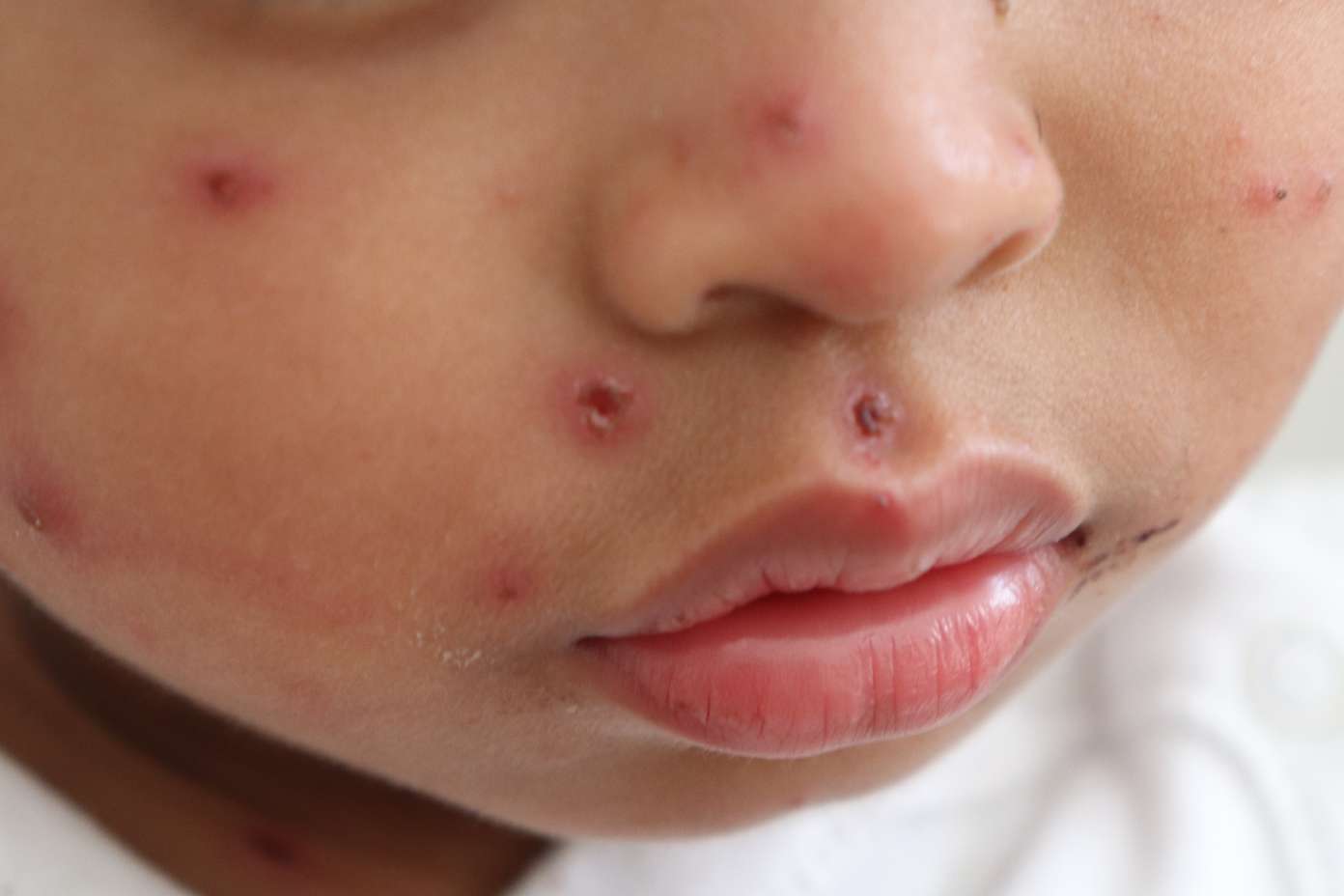
Dr. Samuel Williams-Rodriguez, Cayman’s medical officer for health, has advised that symptoms typically begin with high fever, runny nose, cough, red eyes and white spots inside the mouth, followed by a rash that spreads from the face downward.
“The first sign of measles is usually a high fever which begins about 10 to 12 days after exposure to the virus. … Close contact with other people following the onset of rash must be avoided for seven days,” said Williams-Rodriguez in an April health advisory.
The health ministry noted that while measles cases are climbing in the US, Cayman maintains a strong public health infrastructure and a comprehensive response plan that includes rapid diagnostic testing to swiftly detect and manage any potential cases on island.
Related Videos