

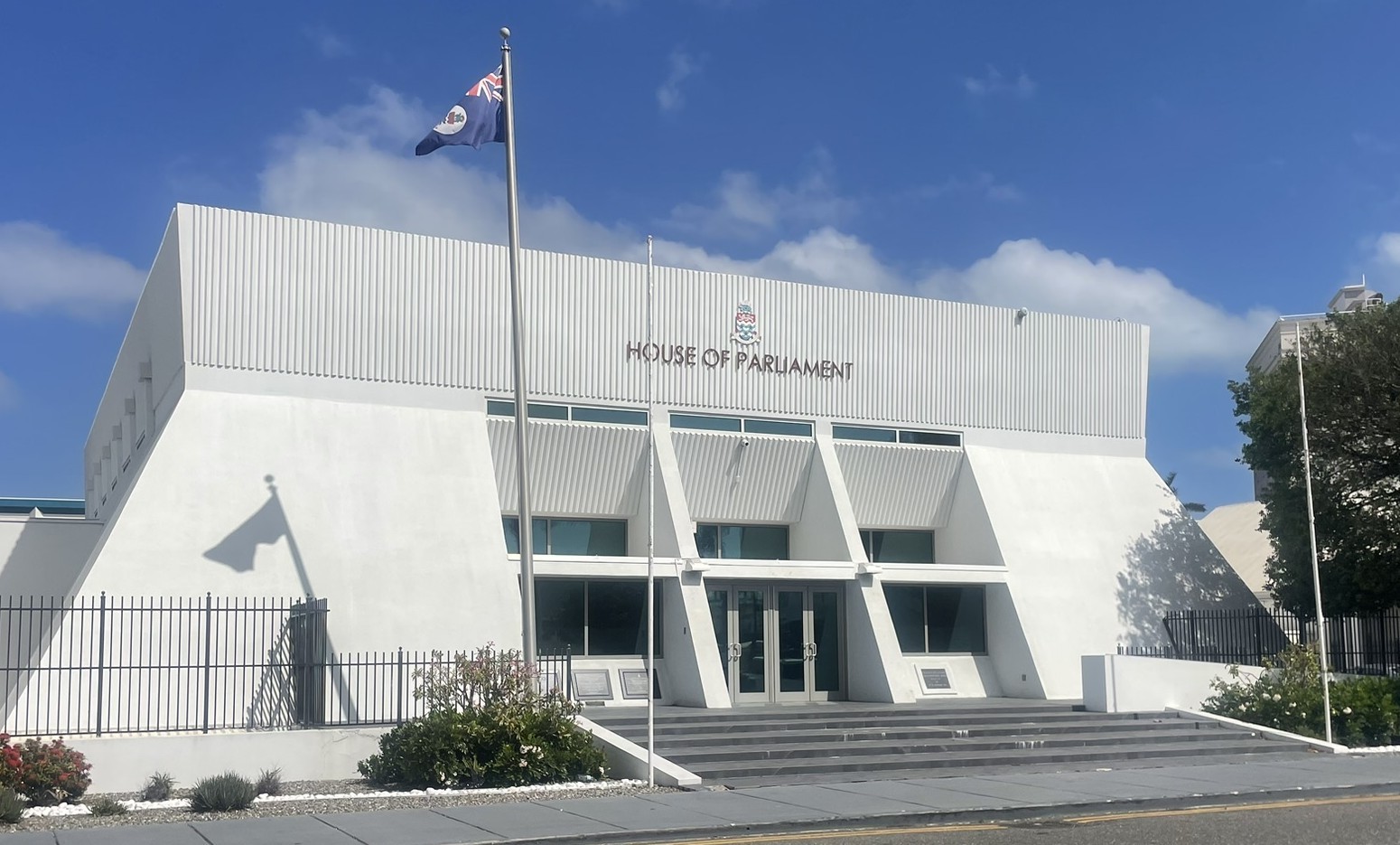
A veteran female politician and a first-time candidate have united to call for more representation for women in Parliament.
Lucille Seymour, a former member of the then Legislative Assembly, and a founder member of the People’s Progressive Party, and Gueva Richards, a first-time candidate in this year’s general election for the Cayman Islands National Party, agreed that more needed to be done to ensure higher representation in women in politics.
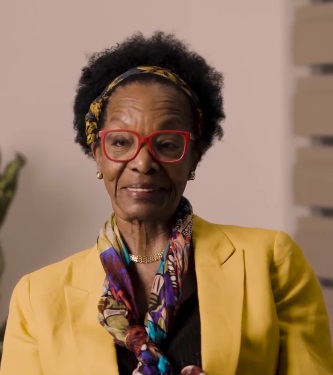
Seymour, 80, said women needed greater opportunities to hone their leadership, debating skills and problem solving, through civic or sporting organisations.
She added that the introduction of an appointed upper chamber, similar to Bermuda’s Senate, could be used to promote women and emerging leaders, where they could gain political and leadership experience, and build political profiles.
“This stepwise approach could help overcome some of the cultural and structural barriers women face today,” Seymour said.
Richards, who came second in a five-strong field in East End in this year’s election, behind comfortable winner Isaac Rankine, said women were hampered by “cultural norms, historical gender roles and some systemic barriers – both visible and invisible”.
She acknowledged that most political parties had made “admirable strides” in promoting female candidates, but said, “There are undoubtedly remnants of the ‘good old boys’ club’ culture still existing in some areas.
“This culture can create an environment where female voices are not always encouraged or heard.”
Election observers’ report highlights low number of women in politics
The two were speaking after Commonwealth Parliamentary Association international observers, who visited the islands for April’s election, singled out the low numbers of women in politics.
The observers recorded that five women were elected to Parliament, 26% of seats in the House, and that, of the 58 candidates who contested the election, 19 (33%) were women.
In its report on the election, the team said Cayman had failed to implement affirmative action to ensure women had proper representation in politics, even though it had been signed up to a UN convention designed to combat gender discrimination nearly a decade ago.
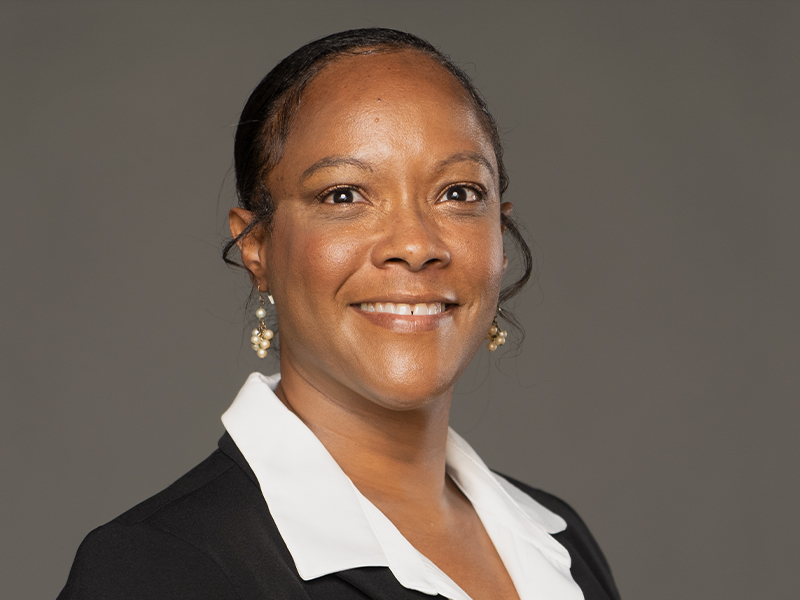
Richards said affirmative action had “potential merit” in helping to correct imbalances, but that reserving seats or having all-women slates was not the best way forward.
Seymour said parties should adopt “fair and inclusive candidate selection policies”.
She added she had “reservations” about quota systems, and that other changes that had proven successful elsewhere could be considered.
“Systems such as proportional representation or reserved seats can create more equitable opportunities for women to enter Parliament,” Seymour said. “These options merit thoughtful discussion as part of a broader strategy to enhance gender parity.”
She added, “Quotas may increase representation superficially, but do not address root causes of inequality.
“Instead, education, mentorship and societal support should encourage voluntary and genuine participation.”
Seymour highlighted that the government should create and enforce new laws to mandate equal opportunities and stop gender discrimination.
She added that women should join forces to support each other and encourage political participation.
“Women must advocate for themselves and hold public institutions accountable,” she said. “Together, they can build a society where equality is a reality, not just an aspiration.”
Lack of action on UN convention
The observers report highlighted that the Convention on the Elimination of All Forms of Discrimination against Women, known as CEDAW, was extended to the Cayman Islands in 2016, but the affirmative action provisions for women had not been implemented.
“In 2024 the CEDAW Committee clarified the obligation upon state parties to achieve equal and inclusive participation of women in public life, through fifty-fifty parity in all decision-making systems. This includes political life,” the observers said.
Richards said the lack of action on the UN convention was down to competing priorities, limited public pressure and perhaps a lack of understanding and urgency around gender equality.
She added that there had been some progress, but more consistency was needed.
“I believe that there is a need for more comprehensive education among the public and within some leadership circles to truly understand the long-term benefits of gender parity, both societal and economic,” Richards said.
She added that the political world would benefit from more female involvement.
“More diverse representation could ensure that proposed policies reflect the needs and perspectives of the entire population,” she said.
“Although proportional representation is not the only way to measure success, it can be a valuable gauge of inclusivity and equity.
“When women have an equal seat at the table, it undoubtedly leads to more balanced discussions, more comprehensive policy-making and a healthier, more representative democracy overall.”
Related Videos












Could it be that our women are too honest?>
We need term limits.