

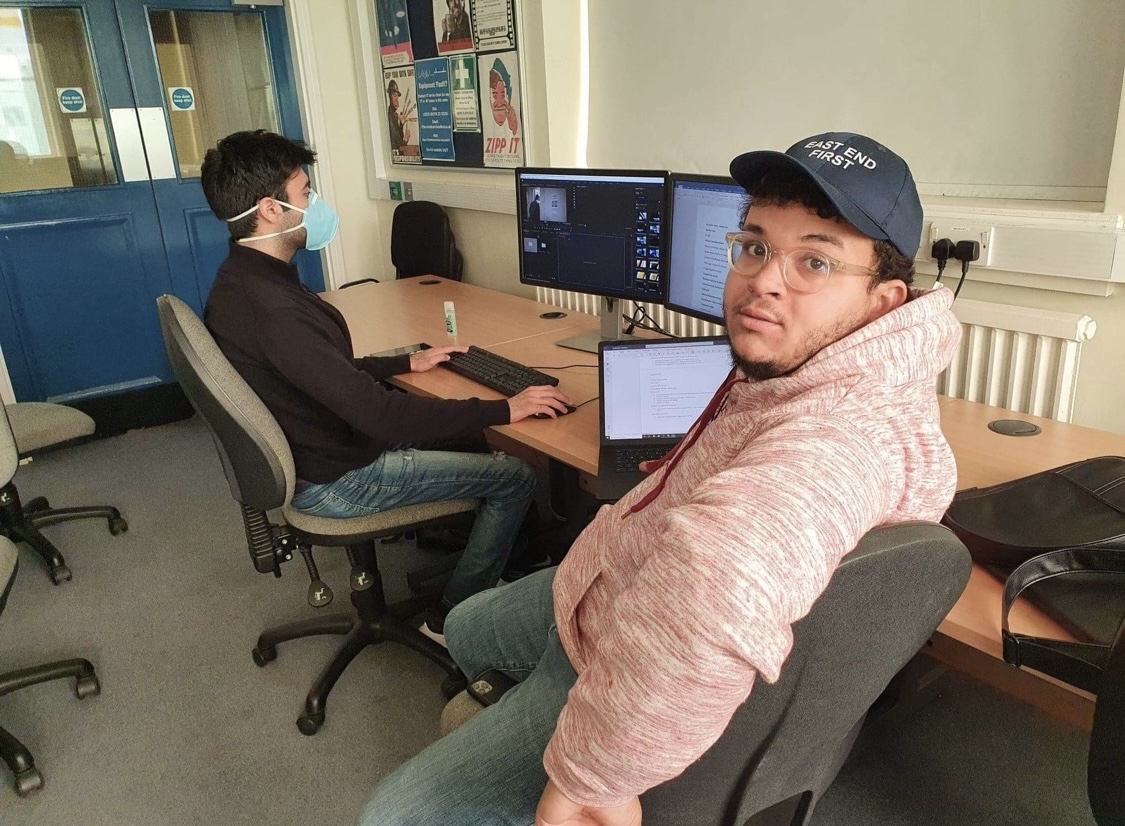
Anyone who is a fan of ‘Rundown’, the annual comedy revue held at the Harquail Theatre, will be familiar with actor, as well as media and stage personality, Jevaughnie Ebanks.
Ebanks began performing at the tender age of 11, participating in the National Children’s Festival of the Arts. Since then, he has featured in the Gimistory festival, headlined radio shows, and represented Cayman in the arts overseas. It should therefore come as no surprise that he followed his passion all the way to university; the University of Bradford in West Yorkshire, UK, to be precise.
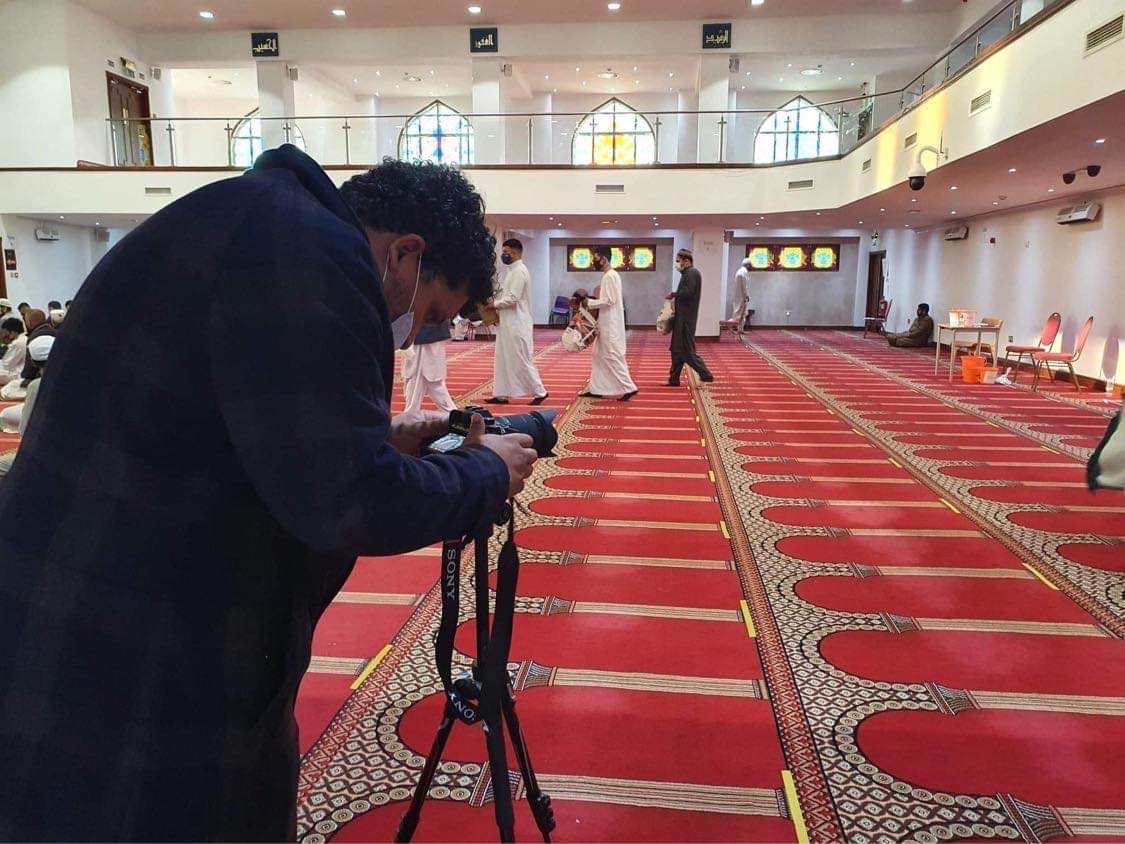
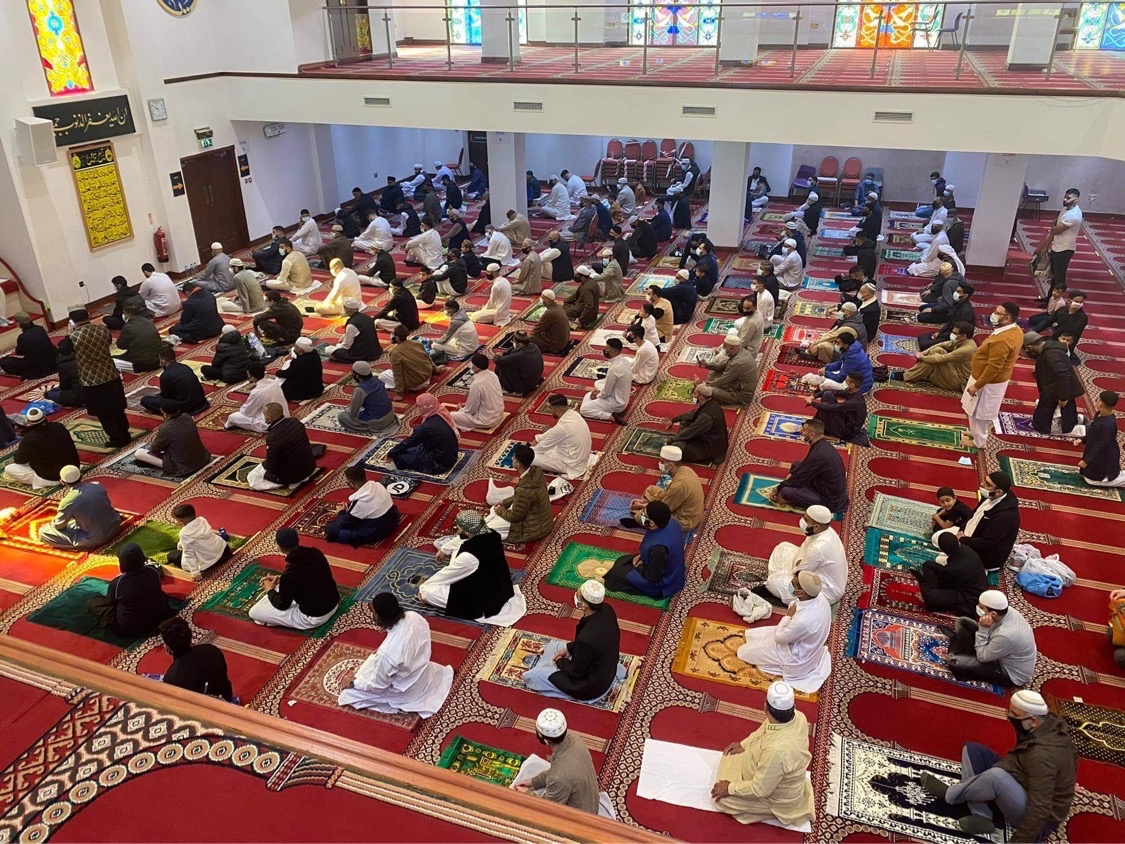
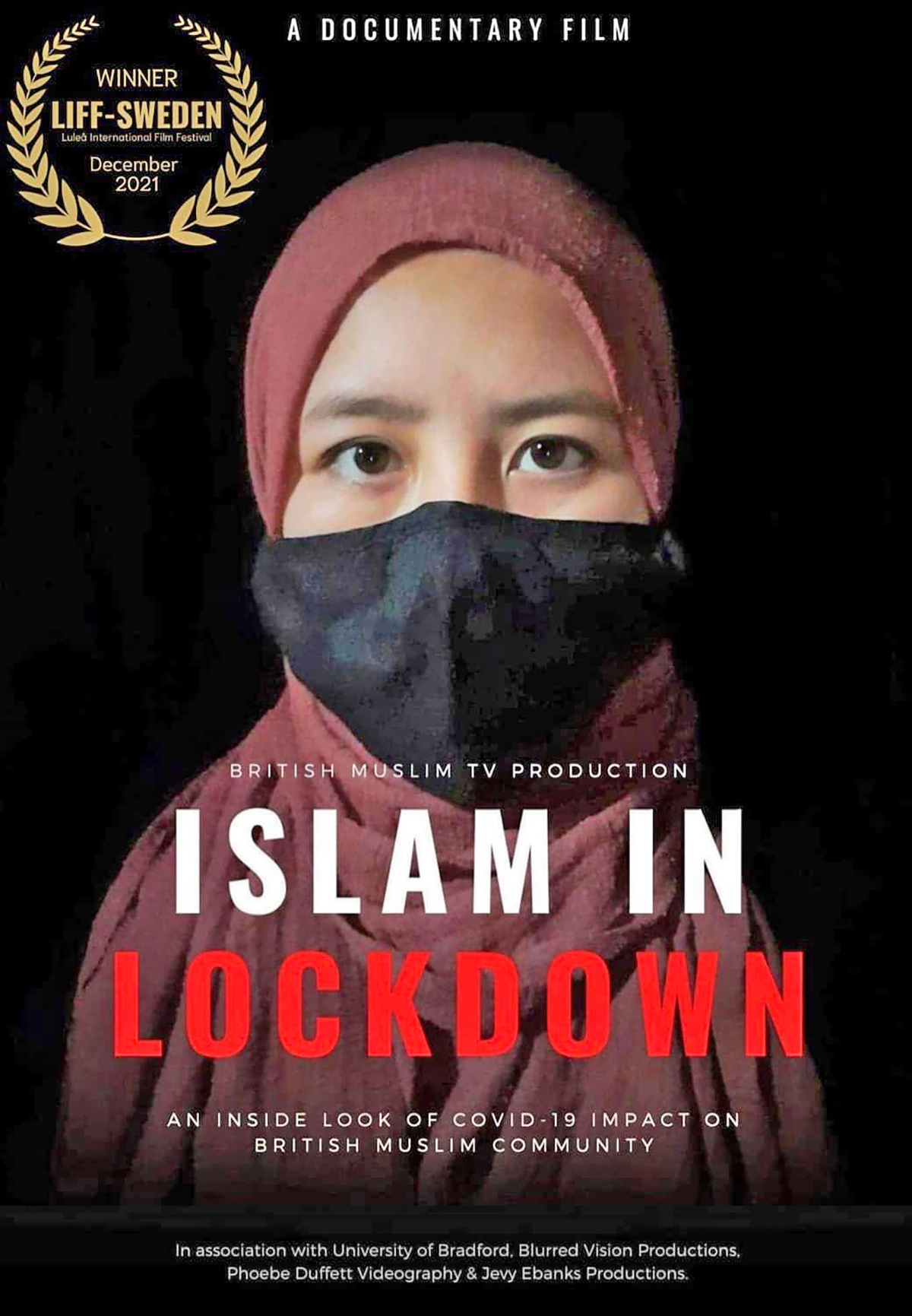
It was there, when he was studying for his bachelor’s degree in film and TV, that he became part of a group project which produced ‘Islam in Lockdown’ – a documentary short which takes a close look at how the Muslim community specifically was affected by COVID lockdowns imposed by the UK government. The film was subsequently submitted to the Luleå International Film Festival in Sweden, where it won the Best Student Film award.
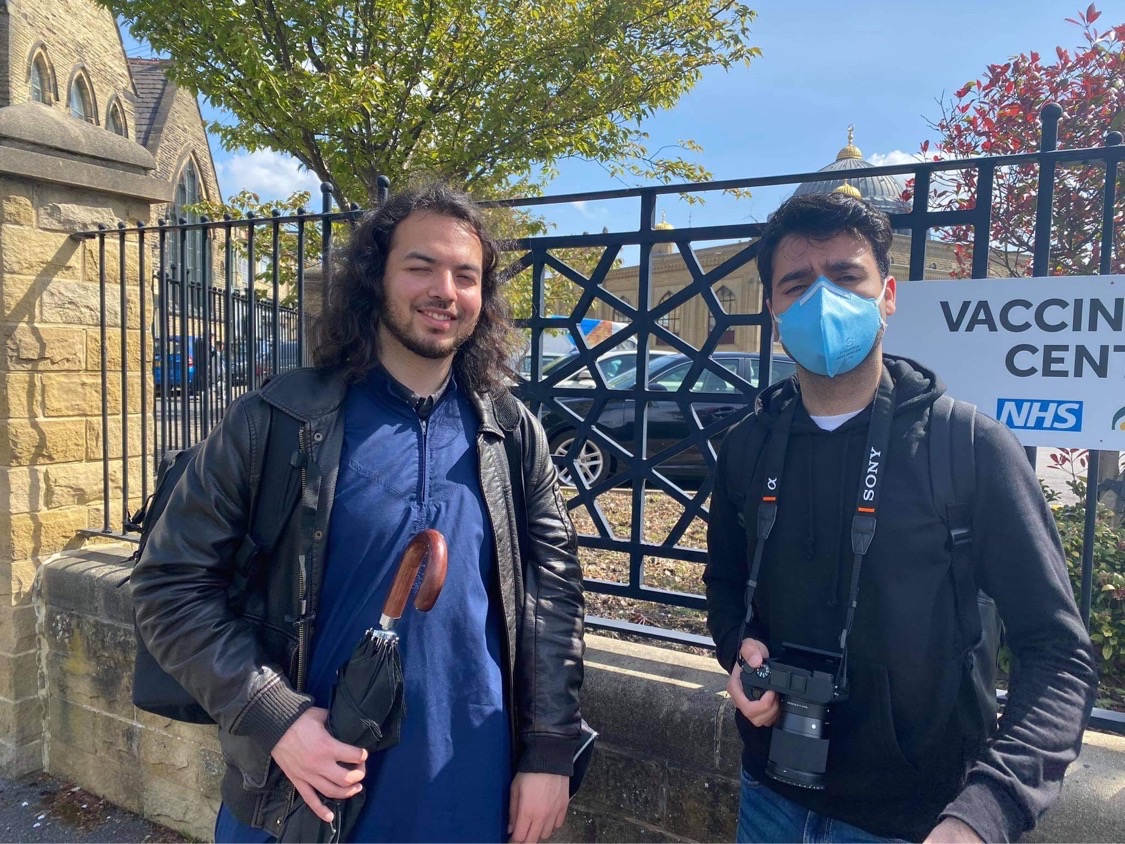
Ebanks was the director of photography and sound on the project. The Cayman Compass asked him how the subject idea came about, what were some of the hurdles the team faced while making the film, and what he learned from the experience.
How did this project come about?
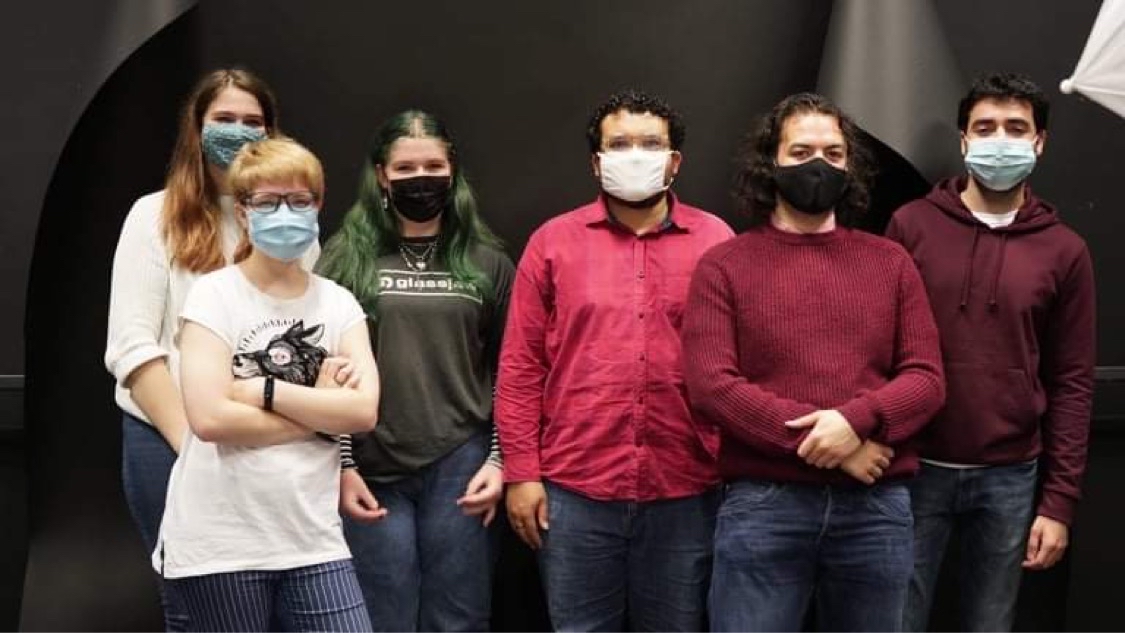
[It was a] group project as a part of my BA in film and TV course at the University of Bradford. The members of the group were placed into a team [PG6 Productions] to carry out a project from start to completion for the course.
What is PG6 Productions?
PG6 Productions is the team comprising of all six members. The breakdown of the roles [for the film] were: Director – Ahseem Yousef; Director of Photography and Sound – Jevaughnie Ebanks; First Assistant Director – Phoebe Duffett; Editor – Talmeez Queshi; Producer – Amber Manser; and Marketing – Erik Lasota.
Why was that particular subject chosen?
The subject matter of the effects of the initial wave of COVID-19 was, and still remains, timely. When the project actually started, there was no pandemic… but we knew it would be something impacting the British Muslim community. This was because, at the time, the director of the film was interning with British Muslim TV. The network agreed that should the group produce a piece about the faith, it stood a good chance of being aired.
What was the process for making it happen?
It is important to understand that even with the agreement of a network to air the project, this was still a student project. There were limitations, such as there was no commercial funding outside of school equipment and personal equipment from team members. Content for the documentary was based on what we the team felt the [film] had to accomplish, as well as the guidance and requirements of the network, and the limitations of being a self-funded, student-led film. The idea was simple: A snapshot of the lives of the British Muslim community, the moment everything changes.
The workload was divided based on the positions that each member held. As the director of photography, I was responsible for creating a plan to fulfil the goal of a documentary… I was responsible for how the film looks and feels. From the shots… to the on-screen graphic, to the music and atmosphere, it is my job to show the story and the keep the viewer watching. I also provided the main editor with a guideline of what each scene should be, based on [the] agreed storyline.
How long did it take from concept to finished product?
The full project took place over two university semesters in one academic year; the first being dedicated to planning and pre-production, and the second to filming and release.
What were some of the unexpected hurdles you encountered while working on it?
The biggest hurdle was COVID-19 itself. The film industry had to change the way it operates. Crews had to be scaled down to only necessary crew. Members usually worked in small groups of two and no more than three. Interviews which were recorded prior to lockdown regulations were introduced were used, but new interviews had to be done by Zoom where meeting in person wasn’t an option.
The other big hurdle included working in multiple time zones over the course of the project. During the initial lockdown, most overseas students took the opportunity to return home; that included me. In our group at any one time during the main portions, members were not always in the same place. [They were scattered] from Bradford to Poland and, of course, my home, the Cayman Islands.
What were some of the highlights of creating the doc?
The documentary allowed student filmmakers the opportunity to help tell a story. Not just a story, but a relevant story. Every filmmaker wants their work to be viewed, so by having a network agree in advance to air the documentary, it provided ample reason to ensure the film [we made] was of a high standard.
Was Islam and the Muslim religion already familiar to you or did you learn a lot while on this project?
Prior to working on the documentary, I only had a passing understanding of the Muslim faith. Throughout the time, I have certainly gained a deeper appreciation [of it] and remain thankful to the members of the Muslim community that worked with us – especially the Bradford Central Mosque, which gave us the opportunity to film there.
When did your group find out that you had won an award from the LIFF?
The team learned through the director, who submitted the film to the festival, that we had won the Best Student Film category in early 2022 and we were all elated and honoured.
Do you have further projects coming up?
Yes, I’m currently pursuing my master’s in filmmaking and, as such, I am working on individual projects towards that goal.
What was the most valuable lesson you learned from working on ‘Islam in Lockdown’?
Teamwork is essential. It took everyone to pull this off. If someone doesn’t do what they are supposed to, it can really hurt a project and in this industry, you must be prepared to produce high quality work as the minimum because there is always the thought in the back of your mind that there is someone who can do what you doing, and better. Teamwork; teamwork makes the dream work.
Watch the film here. For more information on PG6, find them on Instagram. For Jevy Ebanks Productions, click here.
Related Videos






I just finished watching the film on YouTube and it is brilliant and deserving of the award! Thank you, Jevaughnie, I can’t wait to see more of your work! Cheers all around!👍🏻