Global COVID-19 lockdowns and subsequent supply chain challenges have exposed the vulnerability of Cayman’s food supply system, a veterinarian, public health professional and academic has warned.
Dr. Samantha Dorman is delving deeper into the islands’ food challenges for her masters dissertation.
She is concerned about Cayman’s food security in a world where pandemics, war and climate change appear to necessitate a greater degree of agricultural independence.
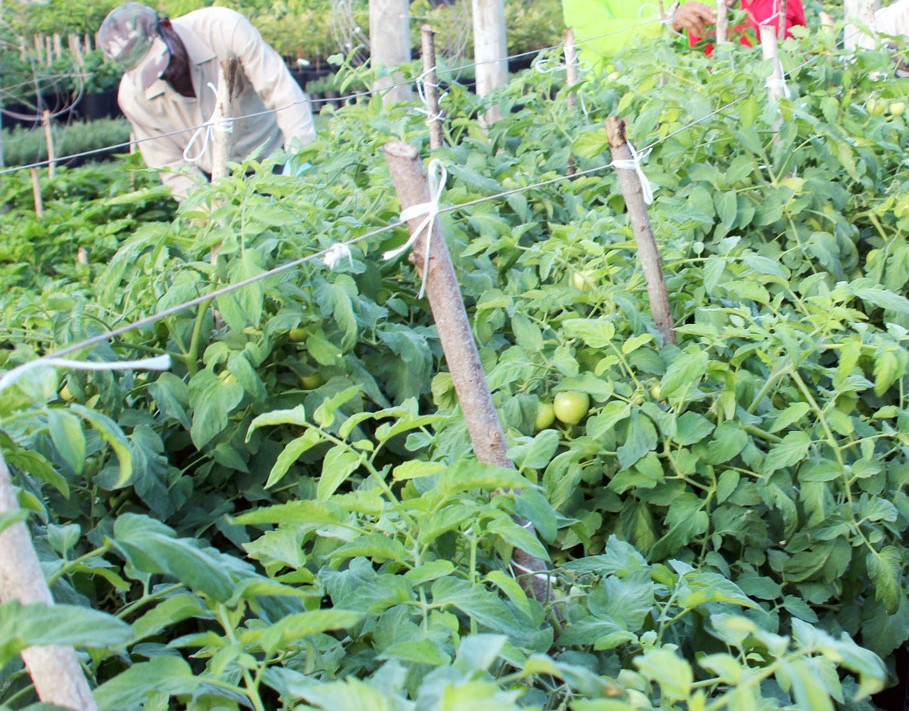
The idea that these three small, salt-sprayed islands could supply enough food locally to meet the needs of a growing population might seem fanciful.
But Dorman is investigating the factors which influence the decisions of local consumers on purchasing local agricultural products.
“It is really a relevant topic and I think COVID, the lockdown and the shipping delays and other issues that came after all cement the idea that we have a very fragile food system,” she said.
“We are never going to be able to fully meet the demand but we are well positioned to make a more serious dent than we are doing right now.”
Her research goes beyond what can be grown, fished or reared locally. She is interviewing supermarket managers and importers and unravelling some of the global supply chain networks that feed Cayman.
External pressures – in recent years it has been COVID, in the future it could be climate-related – impact those supply networks, affecting availability and pricing of key products.
“With everything that is happening globally each country has to take a much closer look at food security and try to be more sustainable and independent,” said Dorman.
“There is not much data in Cayman so I thought let’s get it done.”
She sees hope as well as threats in the post-pandemic world, with signs of positive behaviour changes from consumers.
“There have been significant shifts from dining out, to utilising meal and grocery delivery apps and making more time to cook at home. There has also been an increase in sourcing fresh fruits and vegetables in an effort to boost immunity, as common colds and flus re-emerge, and multiple COVID-19 variants spread,” she wrote in a blog post about her research.
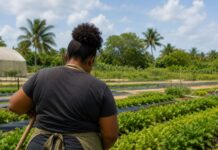
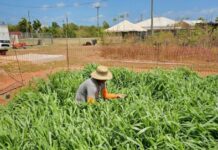
Backyard farming has also seen exponential growth and government support for the industry has grown, she added.
Dorman has a questionnaire – linked below – which she is asking residents to complete to help her compile information about what drives food choices.
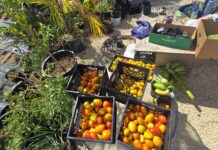
A self-descried ‘locavore’ she says she would like to find ways to support Cayman producers and make it easier for shoppers to find local foods.
She is also examining possible policy interventions. The Bahamas, for example, limits imports for certain products that are available locally.
The research will go towards a 15,000 word dissertation for her ‘One Health’ masters degree at the University of Ediburgh. The project seeks to assess how our food security status is impacted by consumer knowledge, attitudes, and practices towards products which are grown or reared locally.
She has been studying online while working as a vet with the Department of Agriculture.
Dorman believes her work could ultimately help government craft policies which make the islands’ food networks more sustainable.
“I hope that my research findings will help inform policy related to Cayman’s food import bill and food safety standards,” she added.
Want to help? Complete the questionnaire here before 6pm on Wednesday.
For more information on this research, contact Dr. Samantha Dorman at: [email protected], or [email protected].
Related Videos