


The Dart group aims to create a ‘toes in the sand’-style bar at the site of Calico Jack’s on Seven Mile Beach after applying for permission to carry out a $5 million renovation of the derelict establishment.
The popular water’s edge eatery closed its doors in April 2020, when COVID-19 shut down tourism and has been allowed to fall into disrepair since then.
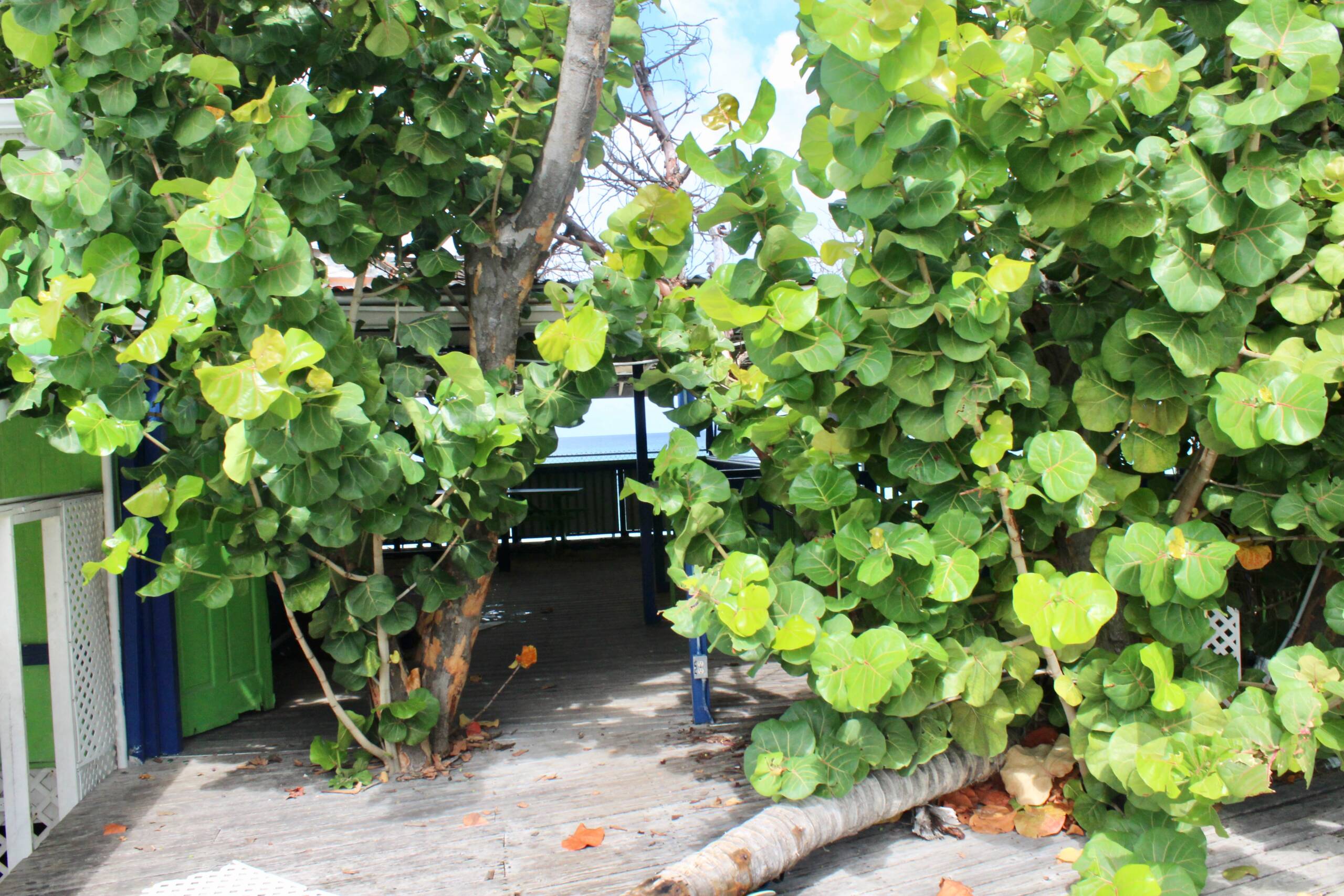
Overgrown with trees, strewn with shattered glass and filled with graffiti, the once vibrant venue is a shell of its former self.
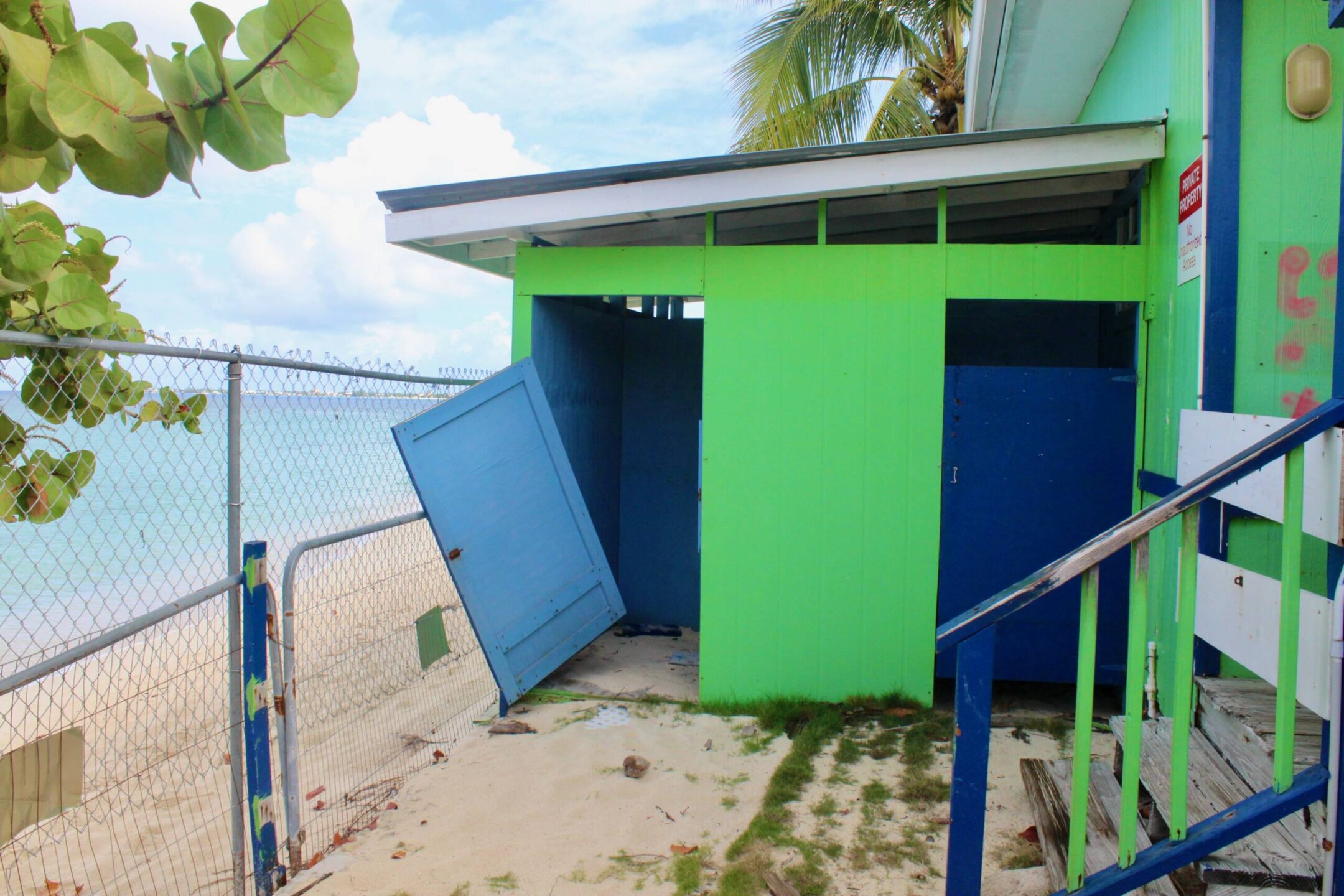
Dart wants to bring it back to life and has submitted plans to the Central Planning Authority. After an initial meeting last week, the CPA adjourned the application and requested amendments to the design to comply with setback requirements.
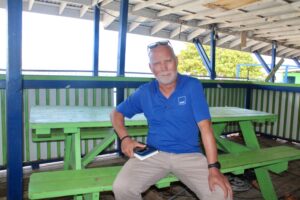
Ken Hydes, vice president of Special Projects and Partnerships at Dart, told the Cayman Compass that the wider plans for the site are still a work in progress.
But he insisted the aim is to retain the casual ethos of the original Calico’s.
It may not, however, keep the name or the ‘programming’ of the previous venue, famous for its Full Moon parties and its charismatic owner, Handel Whittaker – easily recognisable for his distinctive handlebar moustache.

There’s a risk, said Hydes, in creating false expectations by retaining the name, without holding on to those features.
Whittaker is no longer involved with the venture, and much remains to be decided about how it will develop. Now the deputy chair of the CPA, the former owner sat out the application hearing last week.
Casual vibe
Hydes, who will be working on a full business case for the project over the coming months, said the aim was to recreate the casual vibe of Calico’s, where people could roll up, covered in sand from a day at the beach and enjoy a drink and a bite to eat.
Dart’s hospitality programme will likely run the bar in the initial stages, though it could ultimately be devolved to a third-party operator.
Name, style and menu are among the many variables still to be decided, but Hydes said it would cater to a mixed clientele.
With tourists returning to the island and Hotel Indigo going up close by, Dart believes there is scope for another beach bar in the area.
Nikki Callender, a public relations representative at Dart, said there was no need to do anything dramatically different with the site.
“There is nothing that really beats sitting on this beach at sunset with a drink in your hand and your toes in the sand,” she said.
“For tourists, and even those of us who live here, that is so far removed from their daily lives. There is a real demand for that experience.”
The planning application
The Central Planning Authority has adjourned the application and requested alterations to the site plan, according to Dart.
Hydes said the plan involves removing the current toilet block and relocating the bar and kitchen closer to the footpath at the rear of the venue. The beach-side deck will be opened up for seating.
Dart wants to build a new cabana, close to the footpath behind the building, to house washrooms. That structure, in the initial plan, would have been three feet closer to the water than would otherwise be allowed, and the company requested a variance to the setback requirements. It will now seek to revise the plan to comply with the setback requirement.
The entire bar and seawall are much closer to the ocean than would be allowed under current regulations, but because the application largely involves renovations within the existing building footprint – rather than a total rebuild – the CPA is limited in how it can deal with any concerns around that.
The Department of Environment raised a number of objections in its comments to the CPA on the proposal.
“The existing site has experienced instances of erosion in the past. With a proposal for redevelopment, the applicant now has the opportunity to build in a more sustainable and climate-resilient manner, future-proofing the current structure,” the DoE wrote.

The department recommended the application for a setback variance be rejected, pointing out, “The size of the parcel is sufficient to allow for the development to be located much further inland and in a way that would allow the coastal setbacks to be met.”
If the planning authority did approve the application, the DoE recommended it should also instruct the seawall be removed.
Dart, in its submissions to the CPA, argued that the seawall was not relevant to the application and it was simply renovating an existing property and didn’t need planning permission for the bulk of the work.
Related Videos




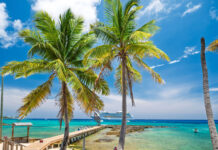







“There is nothing that really beats sitting on this beach at sunset with a drink in your hand and your toes in the sand,” she said.
Which is why Dart has worked so hard to deny that experience to anyone who actually lives here.
Dart group should not be exempt from the guidelines! The property is in a state of disarray, needs to be torn down so now is the time to rebuild properly. The setback requirements are the there for an important reason and must be adhered to by all.