A patchwork of hastily assembled COVID-relief programmes were inconsistently managed and payments to those in need were often late, according to an internal government report.
The Internal Audit Service assessed the performance of multiple different financial aid programmes set up by the previous administration to support those impacted by the pandemic.
These included monthly stipends to tourism workers, loans and grants to small businesses, payments to stranded expats left without employment and grants to local musicians.
The report praises the quick action of politicians and officials to establish a network of financial assistance programmes “from the ground up”.
But it highlights numerous concerns, including that there were few controls to stop recipients “double dipping”.
Auditors also criticised the speed at which applications were processed and payments made.
“The results indicate that the risks identified were inconsistently managed with few requirements in place regarding the eligibility of applicants to receive funding from multiple programs,” the report, provided to the Cayman Compass following an open records request, notes.
“Little to no guidance existed relating to timely disbursements, and potential conflicts of interest.”
In fact, none of the programmes had any criteria requiring assessment officers to declare potential conflicts. Only one had a requirement for applicants to state whether they were receiving funding from another programme.

The report concluded that “control frameworks” for assessing eligibility were also inconsistently designed and implemented.
Only the Needs Assessment Unit and the tourism stipend co-ordinated on programme delivery, the report states.
Unclear if bands receiving help existed
A grant to support musicians, who lost work as tourism collapsed, lacked rigorous eligibility assessments.
“In some instances, it was not possible to confirm whether specific bands actually existed, and whether they performed prior to or after the lockdown,” the auditors state.
Despite flagging concerns over 27 applications for that grant, officials in the Ministry of Culture submitted the full list for approval without evidence of further follow-up, the report notes.
In general, the report indicates that money was paid to those in need, largely in line with the programme’s aims.
“The financial assistance programs intended to support individuals and businesses during the COVID-19 pandemic, were established and modified in an expeditious fashion in order to deliver funding to individuals and businesses in need of assistance,” it states.
“In light of this reality, the ministries and their departments are commended for their efforts to start a program from the ground up, implementing a due diligence process and providing assistance to those in distress in a timely manner.”
Payment delays
However, the report highlights delays in assessing applications and in getting money to those in need, concluding that in general terms “the payments themselves were not made in a timely manner”.
The programmes also lacked formal documentation to support the decisions of assessment officers, mechanisms to track progress and clear communication lines with applicants.
The aim of the report was to check if the programmes performed effectively in providing the financial assistance needed by businesses and individuals that were negatively impacted by economic shutdowns. It did not assess whether the amounts allocated were sufficient.
Some of the conclusions tally with reports from observers on the ground.
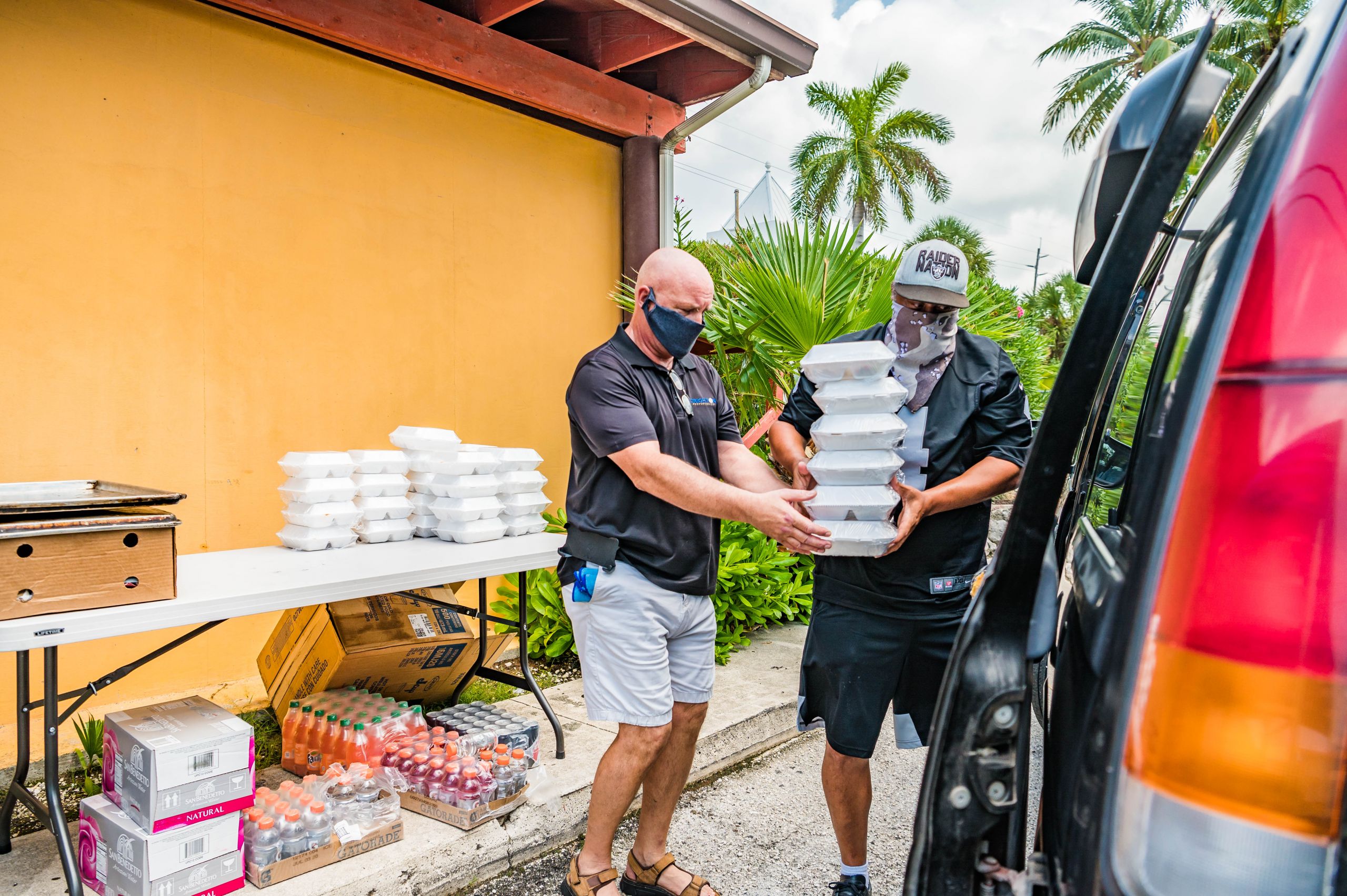
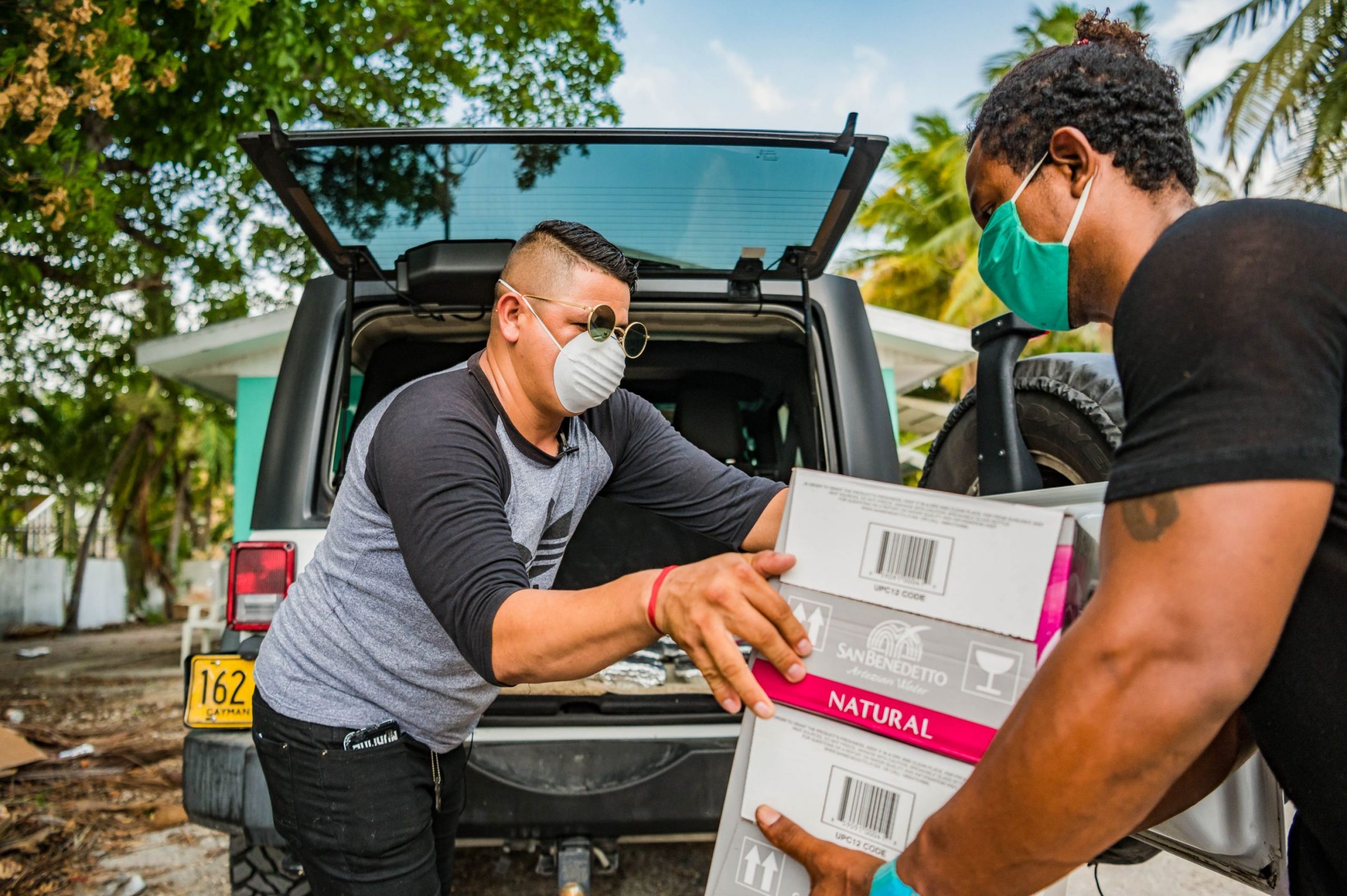
During the period examined by the auditors – March through August 2020 – the Compass spent time on the road with volunteers for Meals on Wheels and Acts of Random Kindness.
In some cases, charities said they were helping people who hadn’t eaten for days and were either awaiting decisions from government entities on eligibility or simply didn’t qualify for support.
ARK founder Tara Nielsen and volunteer leaders Neil and Kelly Rooney highlighted the slow payments from government as one of the reasons people needed support at that time.
Speaking to the Compass at the outset of the economic crisis in May, 2020, Nielsen said, “This is definitely a humanitarian crisis and it is up to non-profits to meet the need.”
She acknowledged that support was available through government, but said this was often not enough for families to sustain themselves.
“The process also takes time, often weeks, so what do they do while they wait to be approved? They would go hungry if it wasn’t for soup kitchens.”
The main recommendation of the internal audit report is that government review its Transfer Payment Governance Framework to address some of the issues highlighted.
Related Videos