Public Health has confirmed Cayman has one case of dengue in the jurisdiction.
The agency stated the mosquito-borne viral disease “is not considered to be endemic to the Cayman Islands as historically there has been no sustained transmission of the disease”.
The Compass asked for clarification on the provenance of this first case and was told that this was not a case of local transmission.
“In an effort to protect individuals’ right to privacy, no additional information will be released that may lead to the direct or inadvertent identification of any patient, including but not limited to travel information or district of residence,” a spokesperson said.
Epidemiological data for the territory shows an average of 1-4 imported cases per year, “however in 2020 and 2021 there were no reported cases of dengue in the Cayman Islands,” a press release from Government Information Services stated.
The last confirmed cases of dengue in Cayman were in 2019.
The Director of the Mosquito Research and Control Unit Alan Wheeler confirmed they had started “preventative control measures across the Cayman Islands and will continue to monitor and adjust activities based on surveillance findings and guidance from the Public Health department”.
Dengue symptoms
Public Health has warned that the frequency of travel between Cayman and other regional destinations meant the “likelihood of an increase imported cases is a strong possibility”.
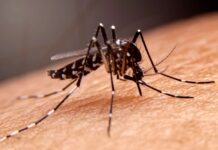
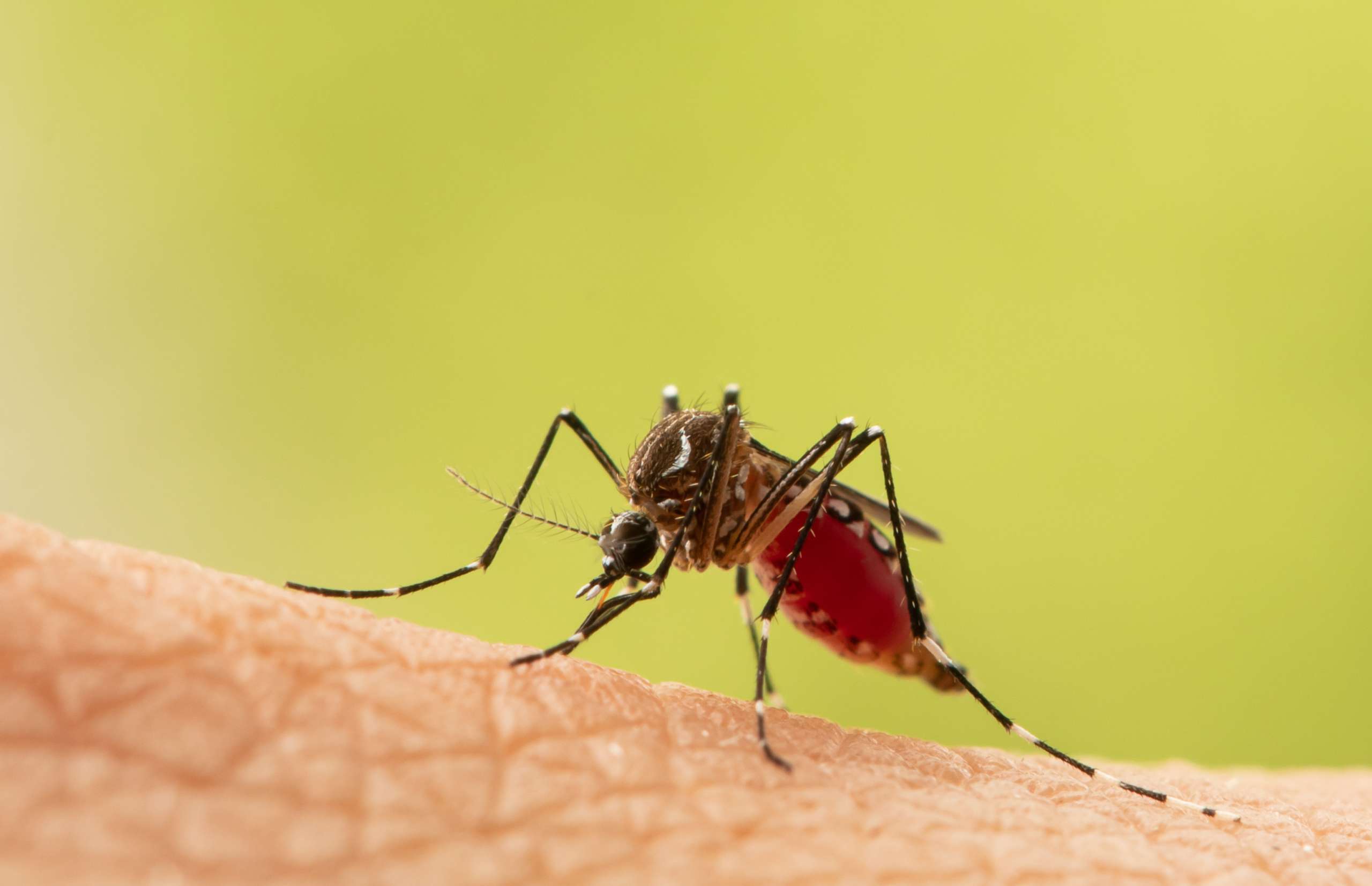
Dengue is transmitted by the female mosquitoes Aedes aegypti. Symptoms of the disease include the acute onset of high fever and at least two of the following:
- Severe frontal headache
- Joint pain
- Pain behind the eyes
- Muscle and or bone pain
- A rash (sometimes) may be visible two to five days after the onset of fever.
- Nausea or vomiting (sometimes)
- Signs of bleeding (such as pinpoint red or purple spots on the skin, nosebleed, bleeding gums, blood in urine or stool, or vaginal bleeding) are seen in a severe form of dengue fever known as dengue haemorrhagic fever, severe dengue, or dengue shock syndrome.
Public Health stated it has a “year-round surveillance system that involves weekly monitoring of potential mosquito-borne illnesses reported by public and private physicians that have proven very sensitive when detecting dengue cases”.
Recommended prevention measures include wearing long sleeves, long pants, and mosquito repellent containing at least 50% DEET.
Potential Aedes aegypti breeding grounds can also be eliminated by turning over
sources of standing water around their homes and other buildings.
In addition, the Mosquito Research and Control Unit will continue its surveillance efforts and ongoing work to identify and eliminate Aedes aegypti breeding grounds around the Islands, the press release stated.
Related Videos