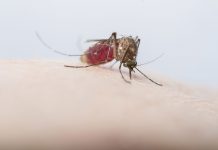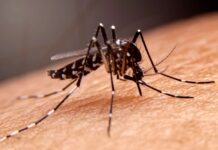
Heavy recent rains and high tides have led to a surge in mosquito numbers across Grand Cayman and the Mosquito Research and Control Unit (MRCU) is ramping up its response.
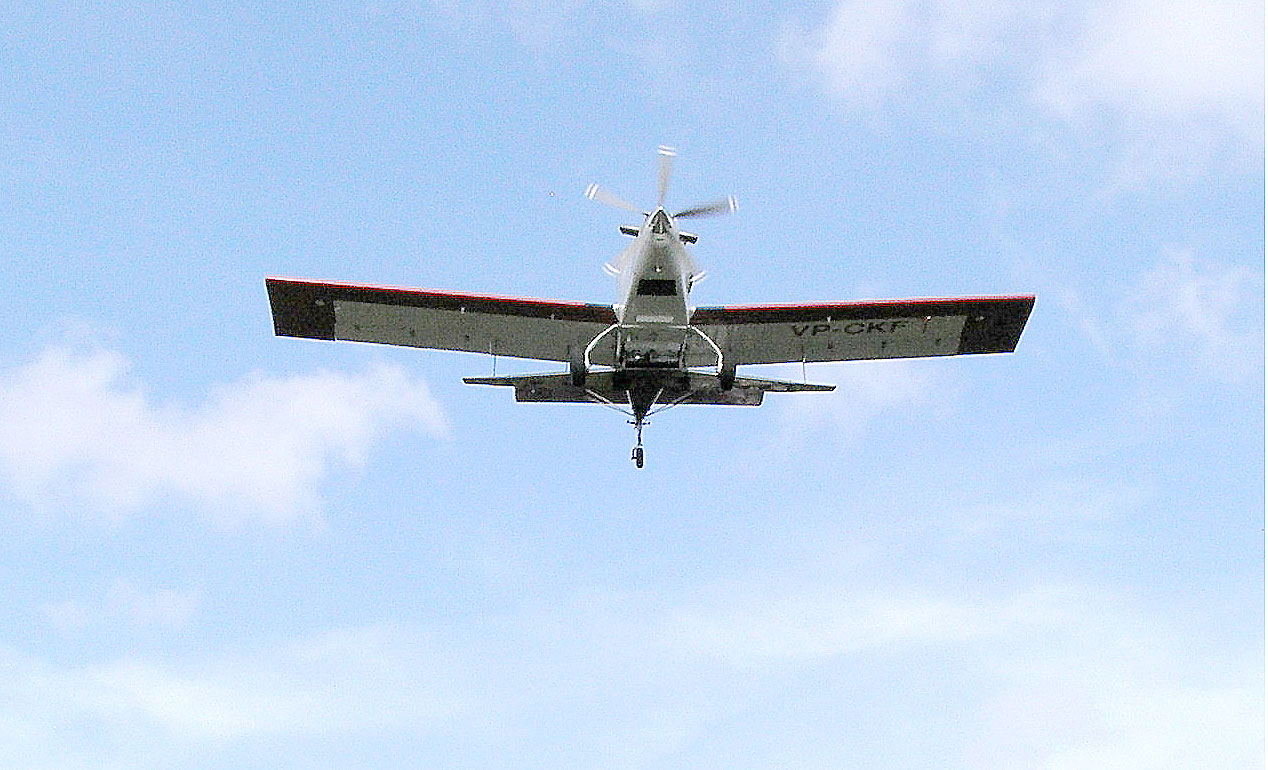
“Crews have increased both aerial and ground spraying to bring mosquito levels back down,” the unit said in a press release issued 4 Aug. “Right now, we’re in the middle of one emergence, and another is expected to begin around 15 August, following Saturday’s downpour that left water pooling in areas that were previously dry.”
More than 3 inches of rain fell in parts of George Town on Saturday, 2 Aug., flooding roads and some properties.
The MRCU said its teams were working extended hours to target adult mosquitoes – the ones that bite – and treat standing water to prevent larvae from hatching.
“We’re doing everything we can to reduce mosquito numbers as quickly as possible,” said MRCU Director Alan Wheeler. “While you’ll likely notice improvements in the next few days, another spike is likely mid-month due to the recent rainfall.”
There has been a significant increase in mosquitoes this year compared to last year. Mosquito trap counts are averaging 13.9 mosquitoes per night in 2025 compared to 5.8 in 2024.
“There have been 23 nights so far this year with high mosquito counts,” the MRCU said. “That level was only seen four times last year.”
The release also warned pet owners that the black salt marsh mosquito – currently the most prevalent biting mosquito – can transmit heartworm to dogs and cats. Heartworm is caused by a parasitic roundworm. If left untreated in an infected dog or cat it will eventually lead to death of the animal.
“Pet owners are encouraged to speak with their veterinarians to ensure their animals are protected with appropriate preventive medication,” the MRCU said.
Wheeler also asked for the public’s help in identifying areas with heavy mosquito activity.
“If you notice unusual mosquito biting, please let us know by emailing [email protected],” he said. “Include the location and the time of day when it occurred. Your feedback helps us target problem areas more effectively.”
Related Videos