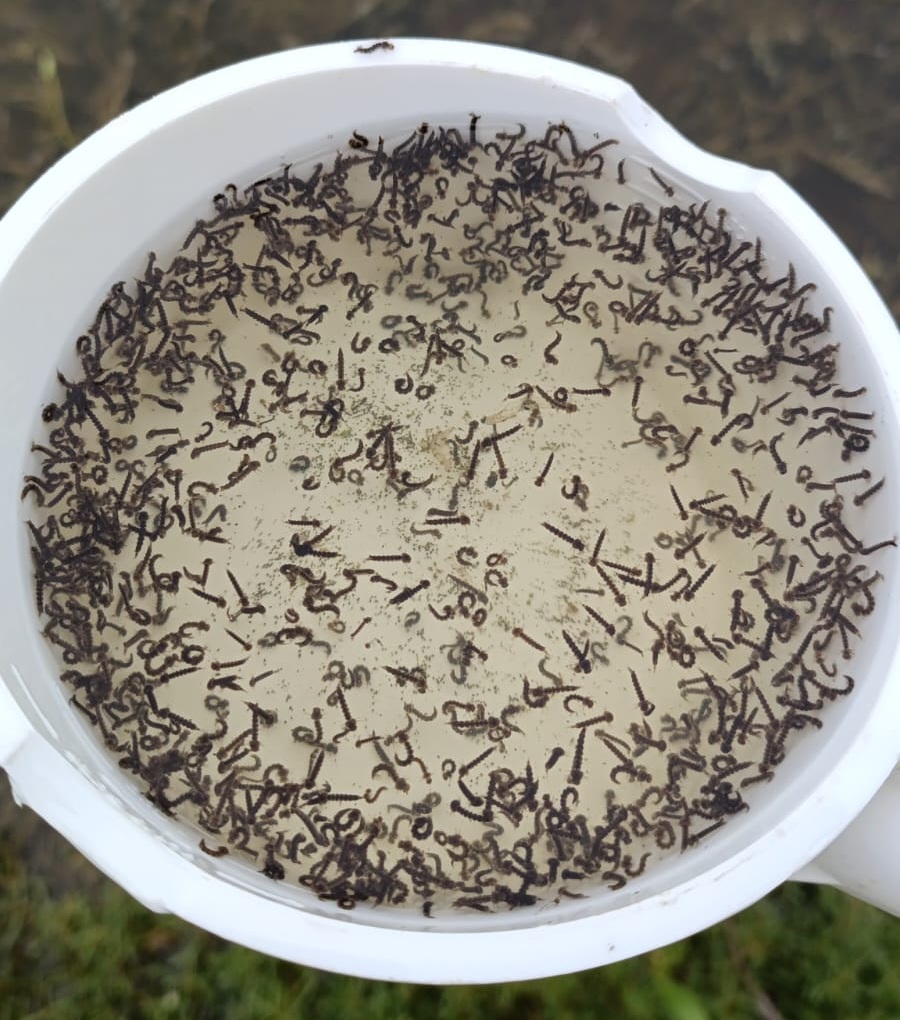
The Mosquito Research and Control Unit has warned residents to expect a noticeable increase in mosquito activity from the beginning of next week.
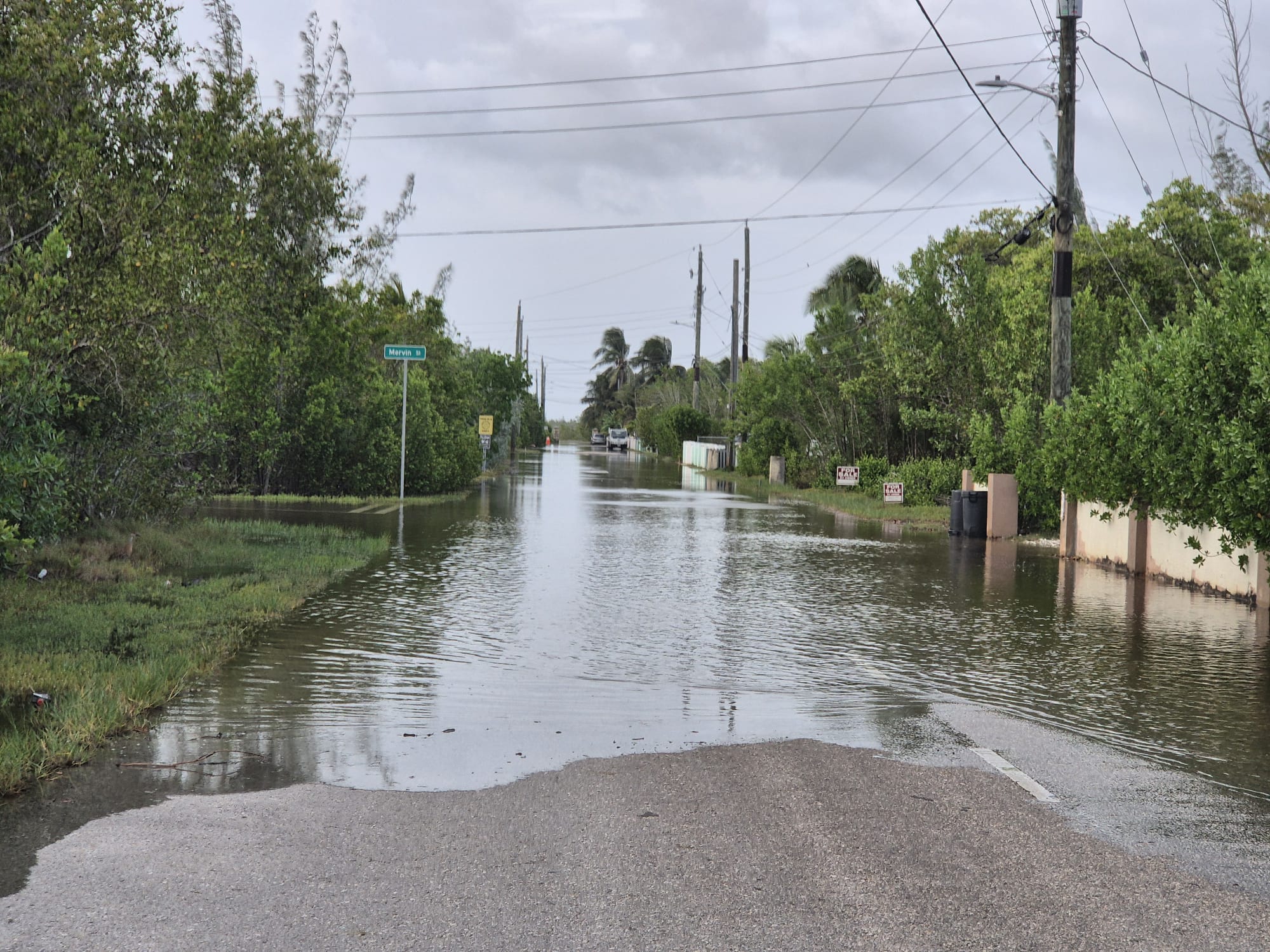
With the rainy season under way, the increase is being driven by the seasonal conditions of heavy rainfall and tidal flooding.
The MRCU noted that this will be the second large increase during the current season.
“Higher tides have flooded wetland areas, while rainfall on already saturated ground has created additional standing-water sites in low-lying areas, roadside drains and other locations,” the department stated.
It added that MRCU field teams have found mosquito larvae at numerous sites across Grand Cayman and are treating breeding areas based on surveillance data and field inspections.
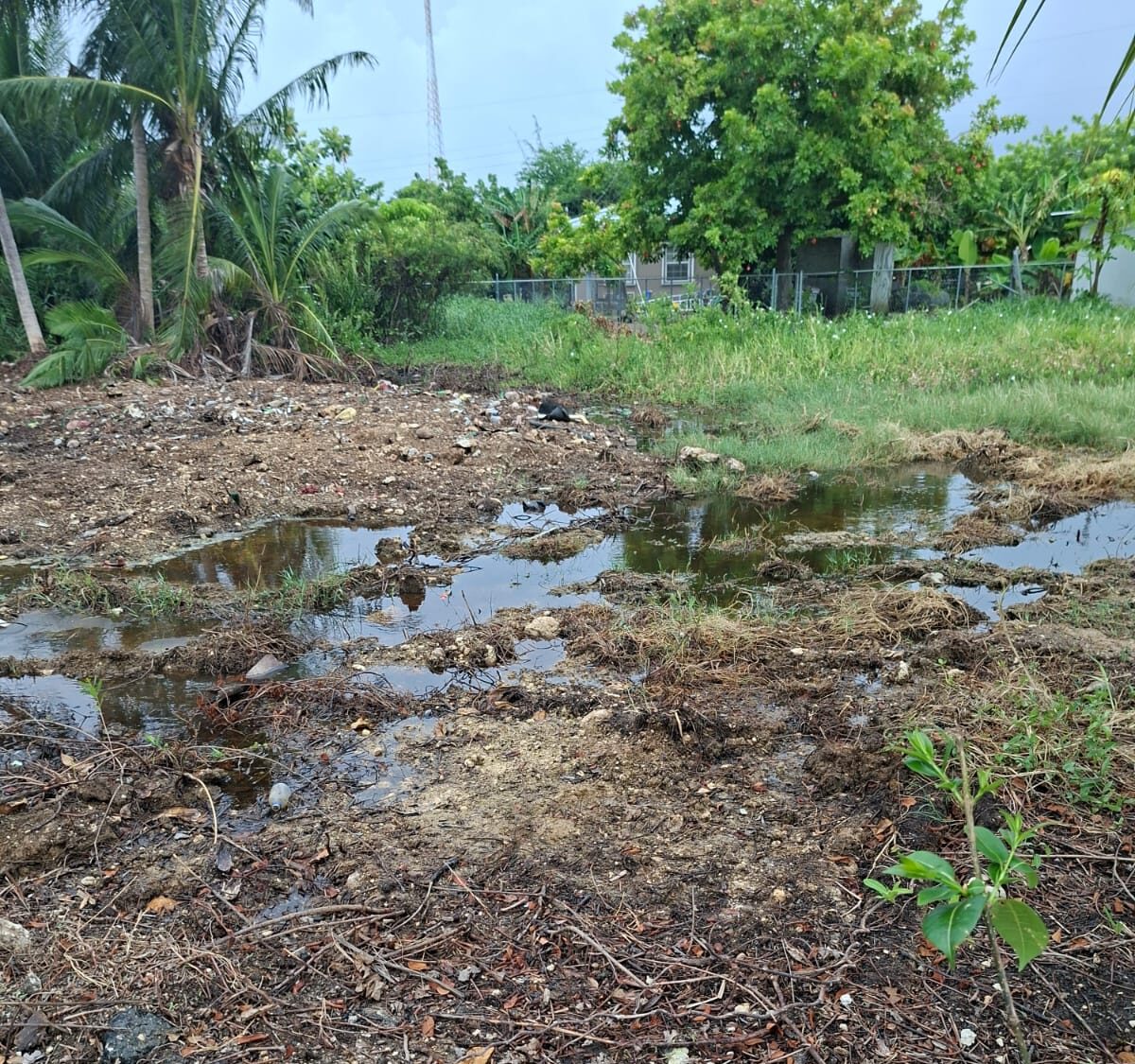
Emergence of ‘active biters’ black salt mosquitoes
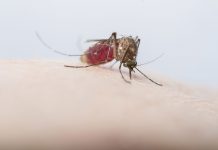
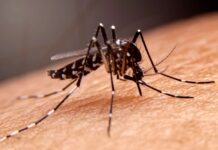
The unit said the eggs of the Aedes taeniorhynchus species, commonly known as black salt marsh mosquitos, can remain dormant in wetland soil until water levels rise. Once the wetlands are flooded, the eggs hatch and the larvae develop in the shallow water. When large areas flood at the same time, a widespread emergence of adult mosquitoes can follow several days later.
These are the main species expected to emerge in increased numbers.
The MRCU said the black salt marsh mosquito is “an active biter” that can fly several miles from wetlands and is generally most active around sunrise and sunset.
It added that daytime biting will likely also occur, particularly in shaded areas around trees, shrubs and other vegetation.
Black salt marsh mosquitoes do not transmit diseases to humans and are not considered a public-health threat to people. However, they can transmit heartworm to dogs and cats, and the MRCU is advising pet owners to ensure their animals are up to date with heartworm prevention.
MRCU increasing control operations
The MRCU said it is increasing both its larval and adult mosquito control operations, with aircraft missions planned for the evening, shortly after sunset, when weather conditions allow.
Truck foggers will be in operation in targeted areas, while ground teams will treat known breeding sites with larvicides to prevent larvae from developing into adult mosquitoes.
“Operations are directed by surveillance data, larval surveys, field inspections, mosquito activity and weather conditions,” the MRCU said.
However, it cautioned that strong winds, rain or other unsuitable conditions may delay aircraft or truck fogging operations.
“With large numbers of mosquitoes expected to emerge from extensive wetland areas over a short period, several days of sustained control operations will be required before residents notice a reduction in activity,” the MRCU said.
“Even with extensive control efforts, biting should be expected during a widespread seasonal emergence. The public may not see every operation taking place because treatments are targeted to the locations and times where they are expected to have the greatest effect.”
How to reduce mosquito bites
- Use a mosquito repellent containing DEET or picaridin and follow the product label instructions.
- Wear clothing that covers exposed skin, particularly during the early morning and evening.
- Reapply repellent as directed, especially after swimming or heavy sweating.
- Ensure dogs and cats remain up to date with heartworm prevention.
- Remove standing water around homes, although this will not prevent this particular emergence because black salt marsh mosquitoes breed in flooded wetlands rather than residential yards.
The MRCU encouraged people to follow its social media platforms for updates on mosquito activity and ongoing control operations.
Related Videos