A solitary rock, barely rising above the Caribbean Sea, could influence the future maritime boundary between the Cayman Islands and Jamaica.
As unlikely as that might seem, the issue turns on one of the most debated provisions of the United Nations Convention on the Law of the Sea.
Article 121(3) states that “rocks which cannot sustain human habitation or economic life of their own shall have no exclusive economic zone or continental shelf”.
Those few words have generated decades of legal debate and have featured prominently in maritime disputes before international courts around the world.
Southwest Rock
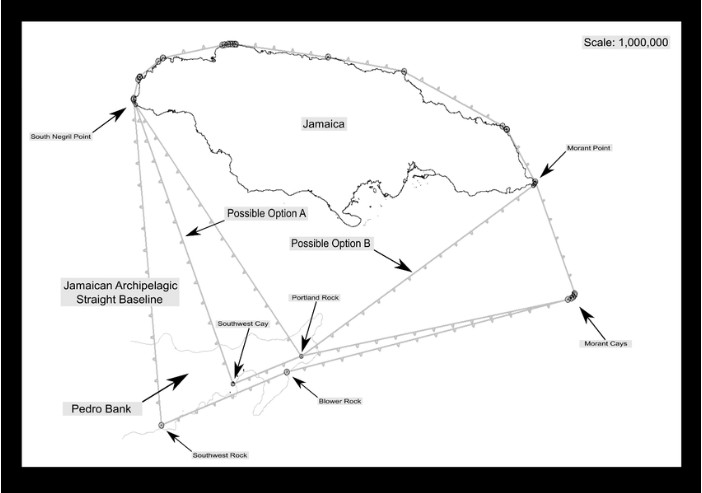
For the Cayman Islands, Article 121(3) raises important questions about Southwest Rock, a tiny feature on Pedro Bank that has long formed part of Jamaica’s archipelagic baseline system and may one day be considered in negotiations over the still-unresolved maritime boundary between Jamaica and the Cayman Islands.
Bureau of Oceans and International Environmental and Scientific Affairs
To the casual observer, Southwest Rock appears insignificant. It has no permanent population, no fresh water, no agriculture and little shelter from the sea. It is frequently described as awash, or nearly awash, during rough weather.
Yet maritime law has repeatedly shown that even the smallest features can have significant legal consequences.
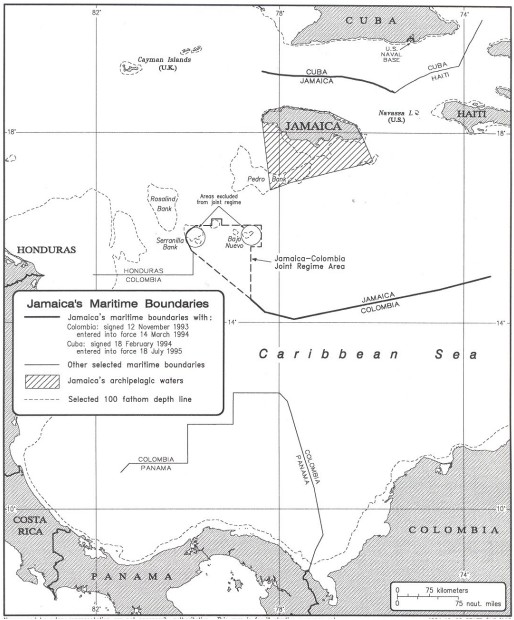
The United States Department of State, in its analysis of Jamaica’s maritime claims, notes that several of the island’s southern offshore features may qualify as “rocks” under Article 121(3) of the United Nations Convention on the Law of the Sea.
The study also observes that Jamaica’s archipelagic status depends upon incorporating a series of tiny southern rocks and cays into its archipelagic baseline system. Without those offshore features, the main island of Jamaica alone would not satisfy the requirements established under Part IV of the United Nations Convention on the Law of the Sea for an archipelagic state.
However, there is a distinction between using small offshore features to construct an archipelagic baseline system and the weight those same features should receive when an international maritime boundary is eventually drawn between neighbouring states.
Over the past two decades, international courts and tribunals have increasingly favoured equitable outcomes rather than allowing tiny offshore rocks to disproportionately influence maritime boundaries. In several landmark cases, isolated rocks have been given reduced effect, or ignored altogether, during maritime delimitation where giving them full influence would produce an inequitable result.
Every maritime dispute is different, and no international court has ruled specifically on the Cayman-Jamaica boundary. The eventual boundary will depend upon negotiations between the United Kingdom, on behalf of the Cayman Islands, and Jamaica, or another mutually agreed process.
Nevertheless, the growing body of international jurisprudence suggests that the mere existence of a tiny offshore rock does not automatically mean it should significantly influence the final location of a maritime boundary.
Implications of rising sea levels
Another study adds an intriguing dimension to the discussion.
An October 2020 report by the International Law Association’s Committee on International Law and Sea Level Rise examined the implications of rising sea levels for maritime boundaries and archipelagic states.
Its authors, internationally respected law of the sea experts David Freestone and Clive Schofield, identified Southwest Rock and neighbouring Blower Rock as among the most vulnerable features within Jamaica’s archipelagic baseline system, noting that historical hydrographic records measured Southwest Rock at only about one metre above sea level.
The report concludes that even if Southwest Rock and Blower Rock were eventually lost through sea-level rise, Jamaica could redraw its archipelagic baselines using alternative features farther north on Pedro Bank while still complying with the United Nations Convention on the Law of the Sea.
Although Jamaica would lose approximately 3,789 square kilometres (1,462 square miles) of archipelagic waters, it would retain an archipelagic baseline system that satisfies the convention’s required land-to-water ratio.
That conclusion suggests Southwest Rock is not indispensable to Jamaica’s archipelagic status, despite its present role within the baseline system.
Cayman fishermen and Pedro Bank
For Cayman, the discussion extends beyond legal interpretation.
Long before exclusive economic zones, continental shelves and maritime treaties existed, generations of Caymanian fishermen travelled regularly to Pedro Bank. They fished its rich waters, hunted turtle, harvested seabirds’ eggs, sought shelter on its remote cays, and navigated its reefs through knowledge passed from one generation to the next.
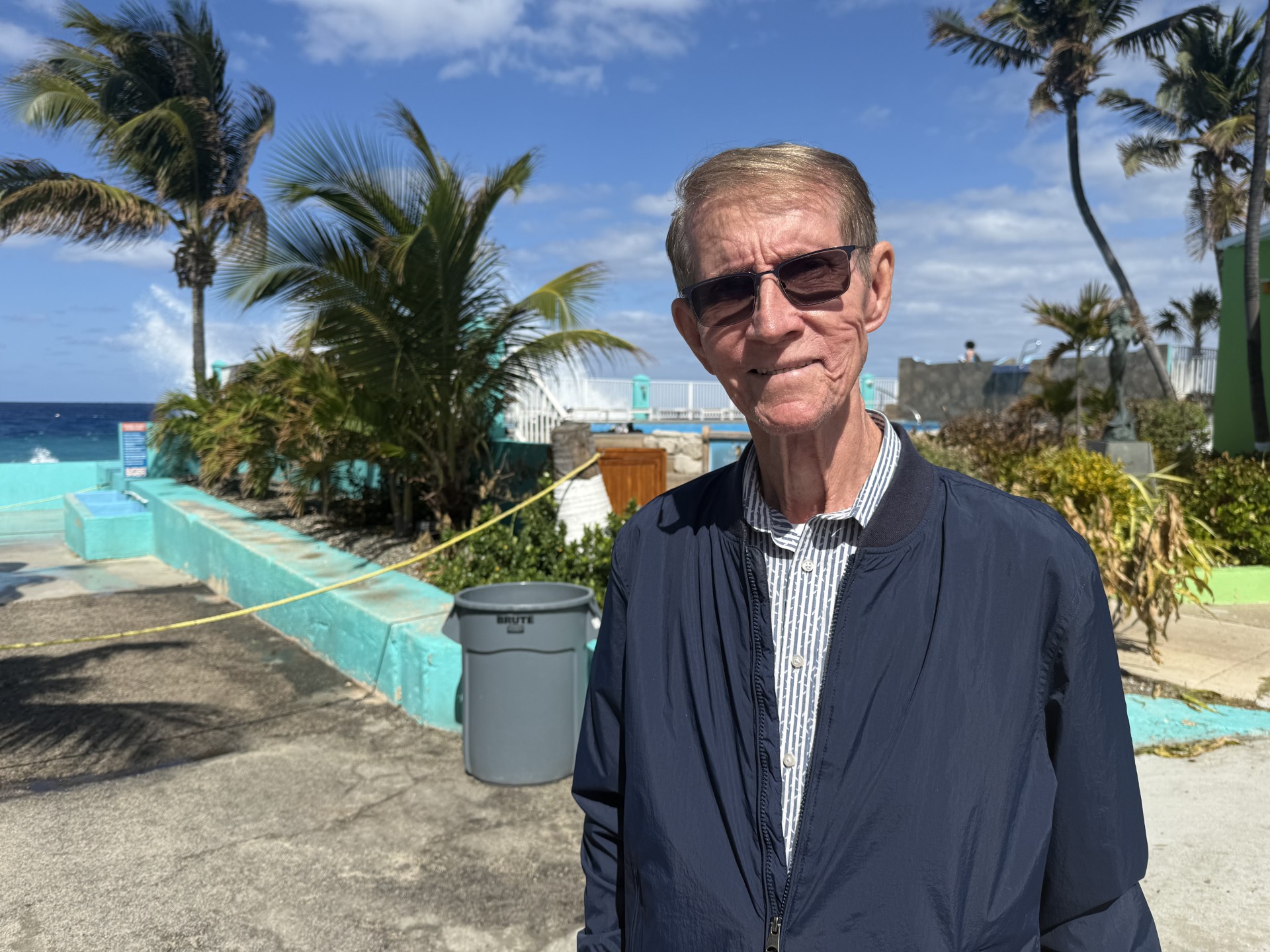
Captain Ashton Bodden recalls his father Edgar making fishing voyages on a Caymanian schooner with Captain Clyde Scott to the Pedro Bank.
Seafarer Byron Ebanks said that for part of the year, Caymanians would even live on the Pedro Banks, “It was part of Cayman at the time. They caught, conchs, whelks, turtle; they did everything there.”
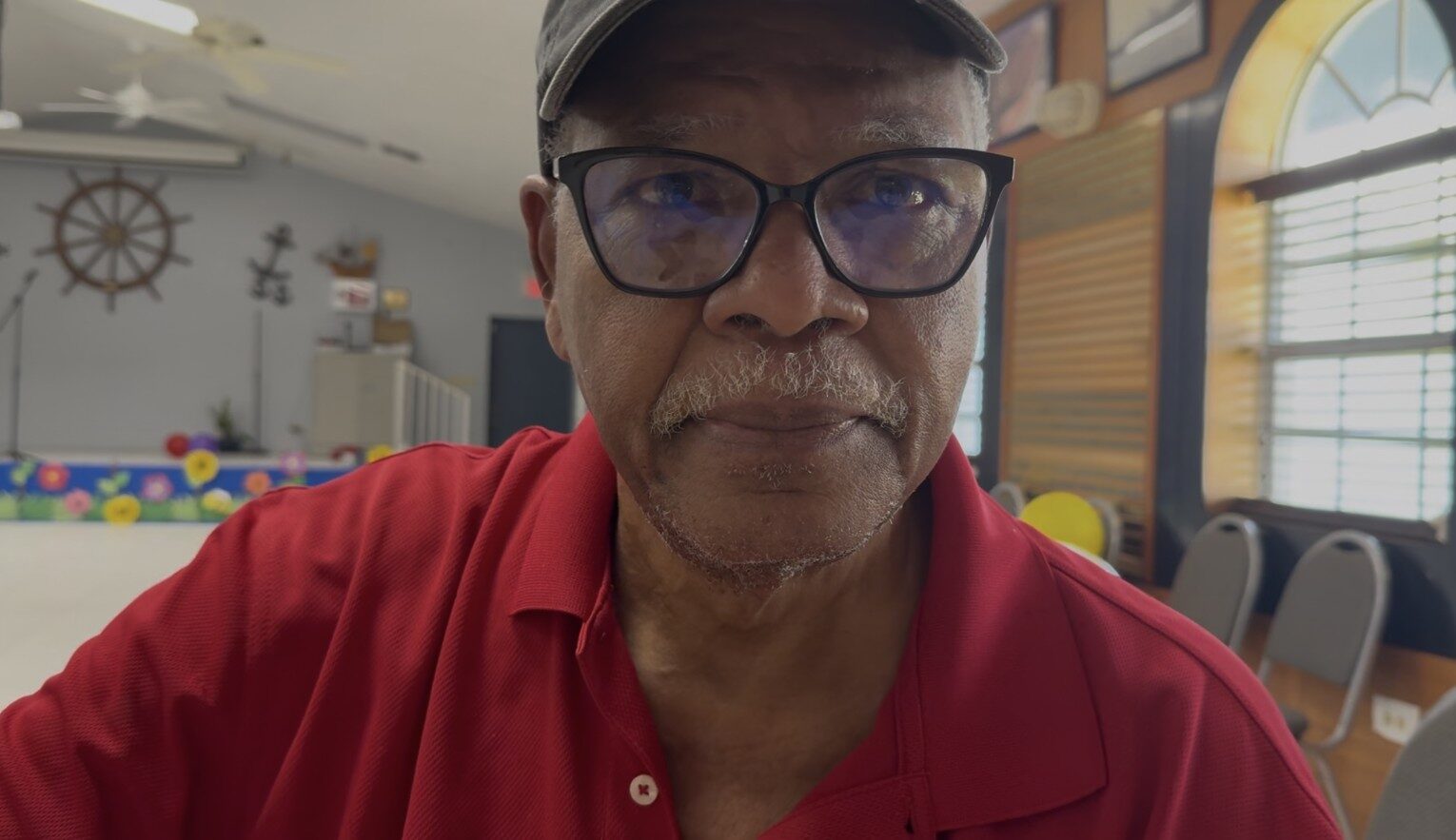
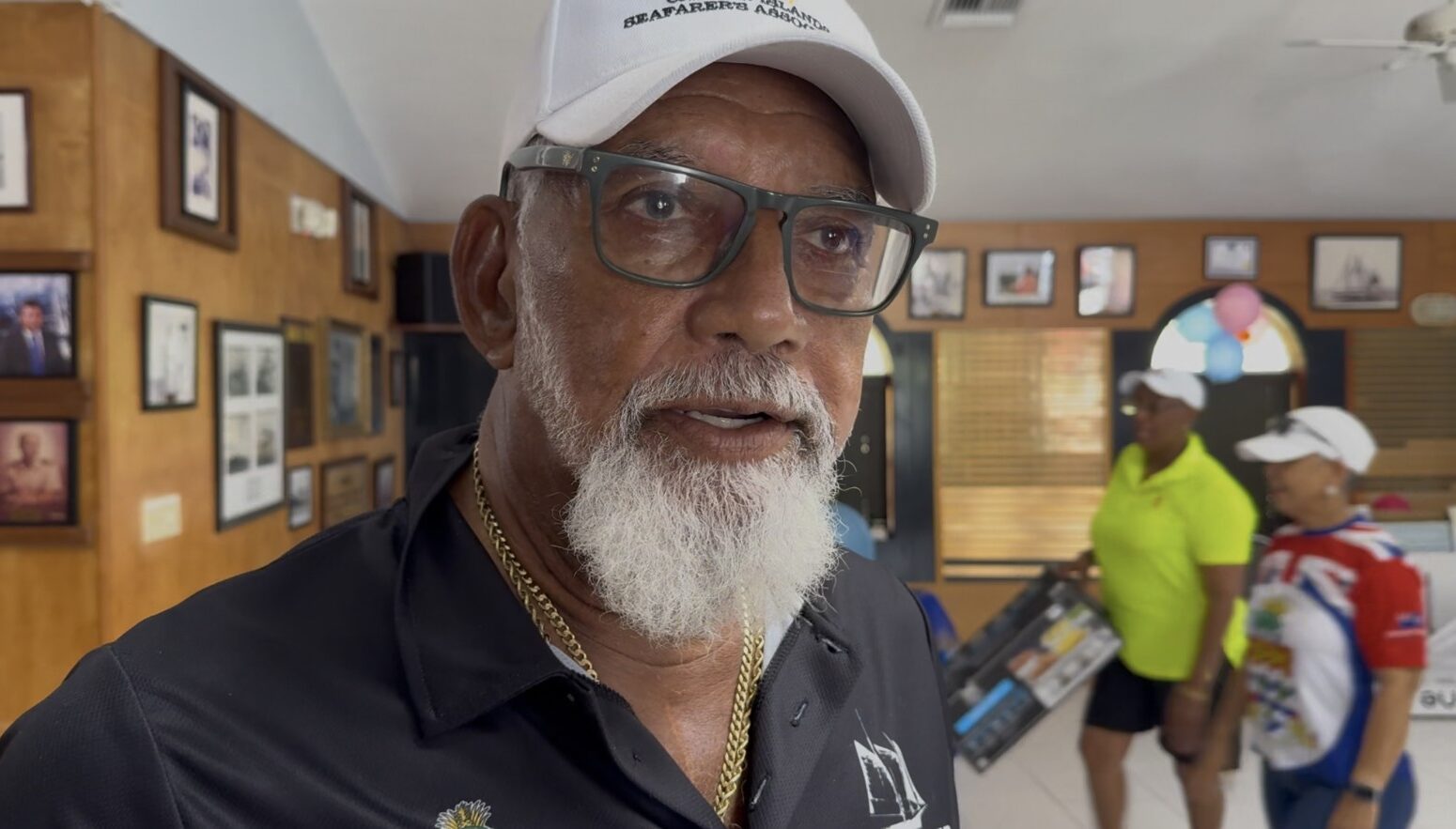
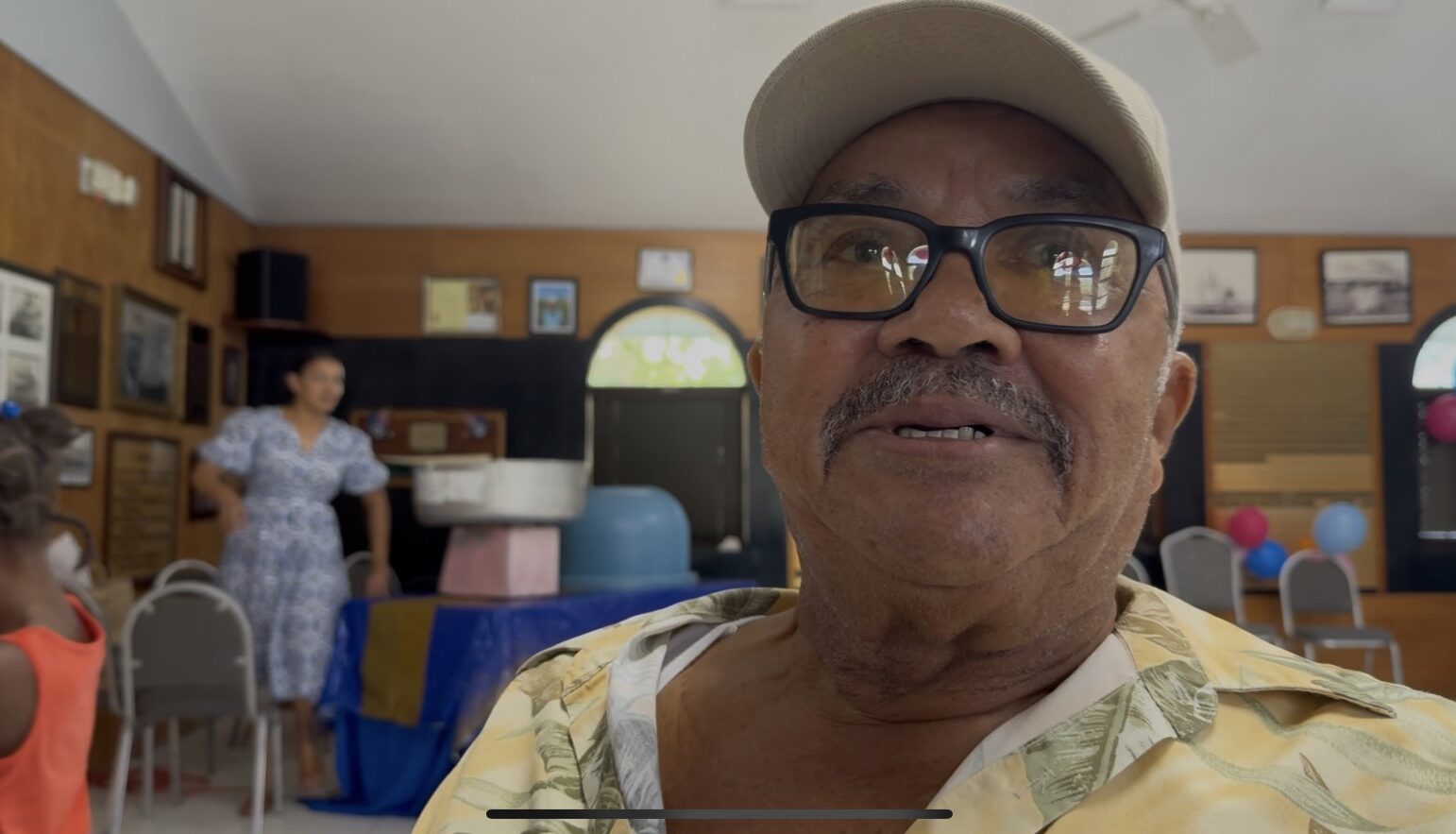
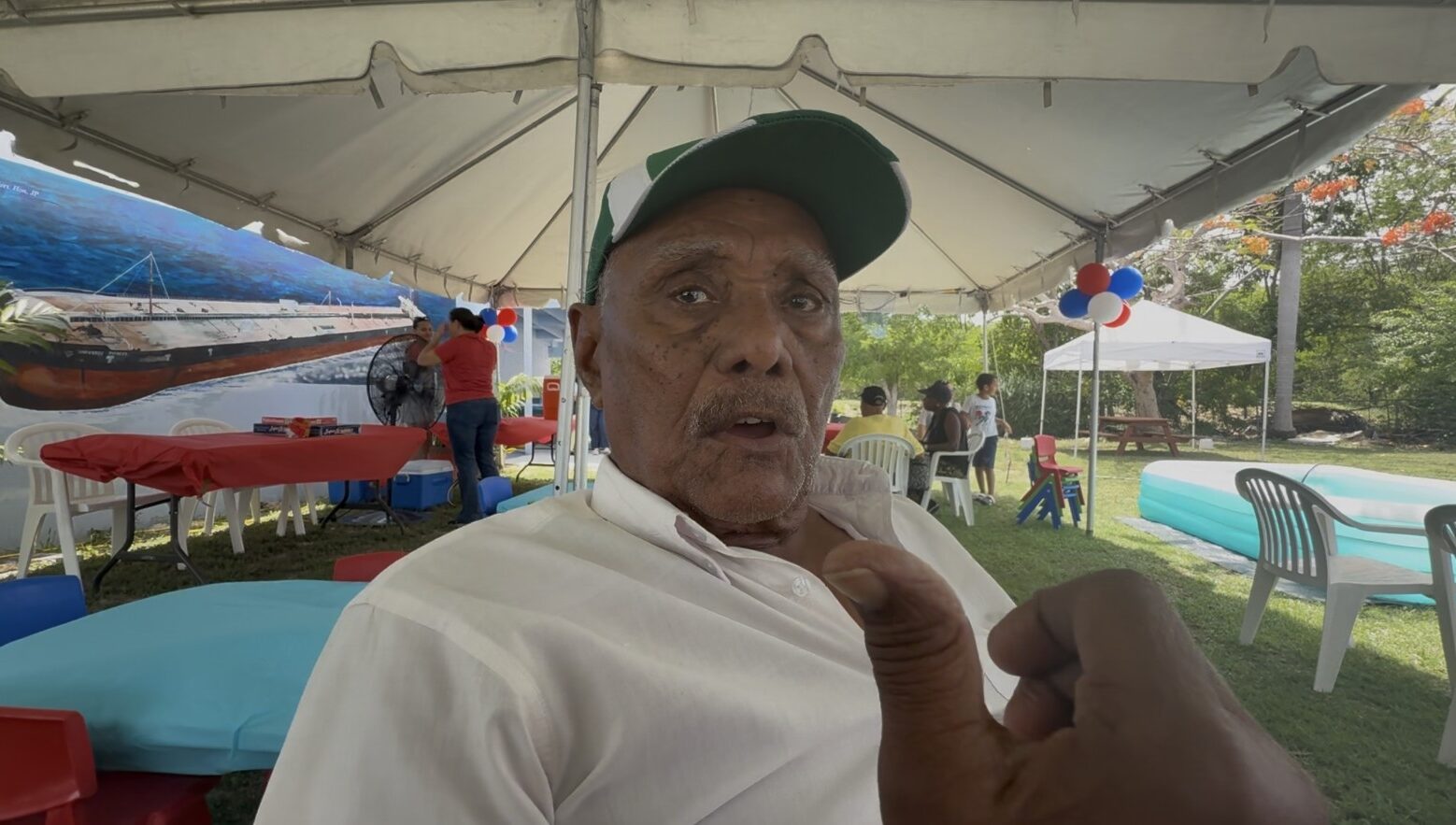
“A lot of Caymanians went over there, no family of mine, but a lot of Caymanians used to go over there,” Kenneth Hurlstone recalled about the Pedro Banks.
“My family members and even some of my friends went to the fish the Pedro Bank lots of times,” said Tad Welcome, adding, “Captain Carl Bush from South Sound would go over there on the schooners and East Enders used to sail with them.”
Archie Rivers, who made many turtle hunting voyages with Captain Allie Ebanks and also on another schooner with Captain Willie Farrington, said it was primarily the Cayman Brackers who would go over to the Pedro Bank.
Those recollections cannot by themselves determine sovereignty or maritime jurisdiction. Modern international law distinguishes between historical use and legal title, and maritime boundaries are ultimately established through treaties or international legal processes.
But oral histories remain important.
They document a centuries-old connection between Caymanians and Pedro Bank that long predates modern maritime boundaries. They preserve knowledge of places, fishing grounds, anchorages and seasonal voyages that helped define Cayman’s maritime heritage.
As many of the men who worked Pedro Bank grow older, preserving those memories is becoming increasingly urgent.
Related Videos