At a glance:
- MRCU is stepping up efforts to keep the mosquito population under control
- 36 mosquito species have been identified in Cayman
- Scientists say mosquitoes are selective about who they bite
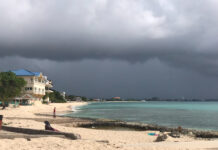
As the Cayman Islands enters another rainy season, the familiar high-pitched whine of mosquitoes has returned in force across parts of the islands, along with renewed efforts by the Mosquito Research and Control Unit to keep populations under control before they explode into full-scale emergences.
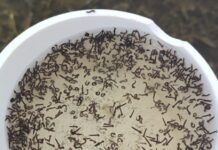
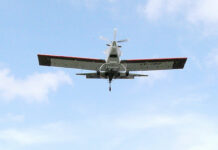
Beginning this week, MRCU aircraft will conduct island-wide daytime aerial larvicide treatments using Altosid granules, targeting mosquito larvae in swamps, wetlands and standing water before they develop into biting adults.
The operation comes as seasonal rains and warmer temperatures create ideal breeding conditions for mosquitoes, particularly species capable of transmitting illnesses such as dengue, Zika and chikungunya.
36 mosquito species in Cayman
Today, scientists have identified 36 mosquito species across the islands, though only a handful are major public health concerns.
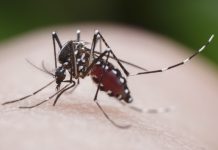
In the Caribbean, the mosquito most associated with dengue and Zika is the Aedes aegypti, a small, dark mosquito with white markings on its body that prefers to live close to people and often breeds in artificial containers such as buckets, flowerpots and discarded tyres.
Unlike many other mosquitoes, Aedes mosquitoes tend to bite during the daytime.
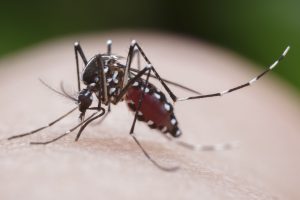
Anopheles mosquitoes are historically associated with malaria transmission and while they are also present in Cayman and other parts of the Caribbean, malaria itself is not endemic in the Cayman Islands.
The Anopheles are generally more active from dusk through the night and tend to breed in different aquatic habitats.
The salt marsh mosquito, which breeds in mangrove wetlands and swamps, is largely responsible for the massive nuisance emergences that residents know all too well after heavy rains or tidal flooding.
Why some people get bitten more often
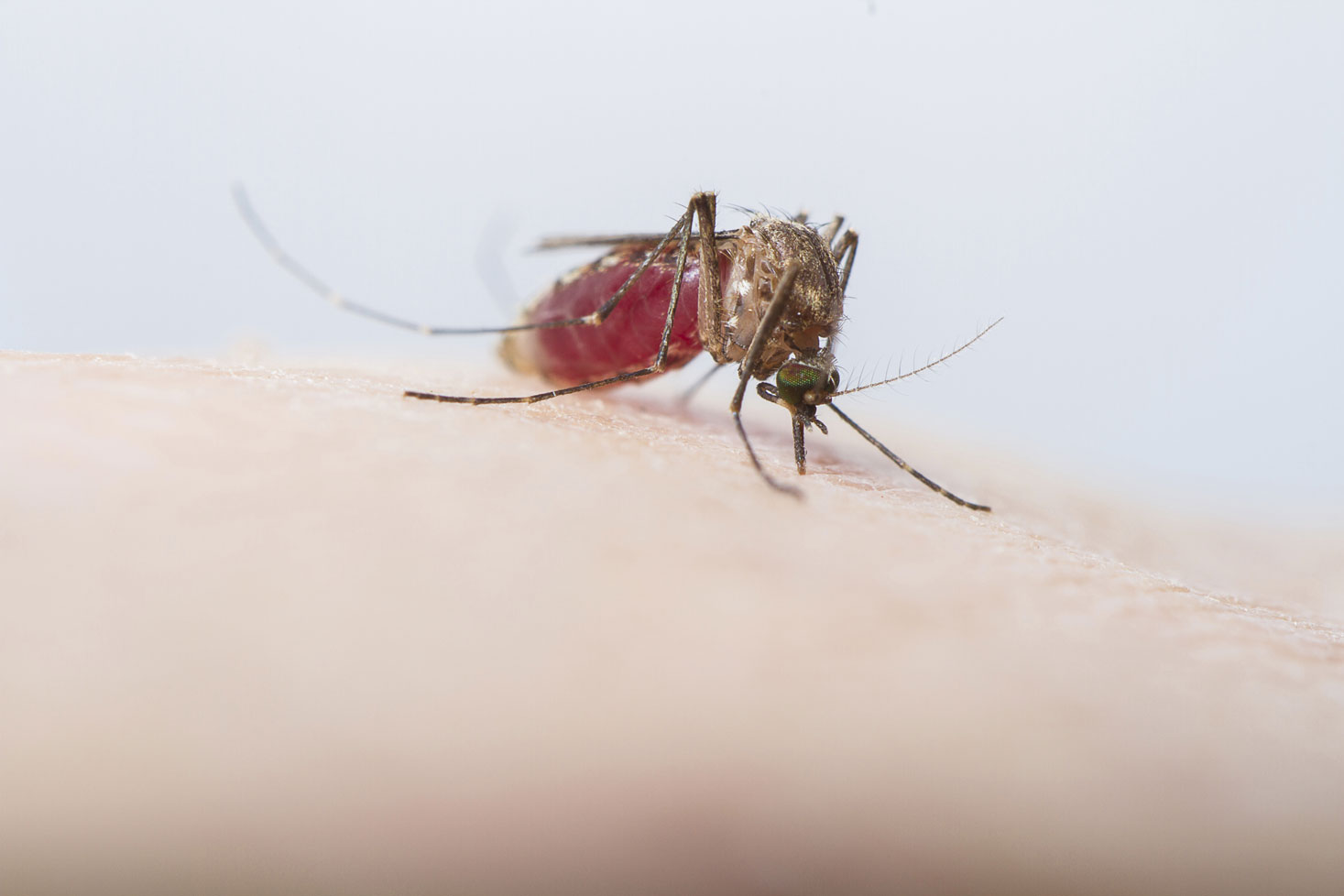
Scientists say mosquitoes are surprisingly selective about who they bite. Research has shown that some people attract significantly more mosquitoes than others due to a combination of body heat, carbon dioxide output, skin bacteria, sweat chemistry and even blood type.
“Mosquitoes are essentially tiny flying chemical sensors,” explained one entomology review published by the Environmental Literacy Council. “They are extremely sensitive to carbon dioxide and certain odours released by human skin.”
People who exercise outdoors, have higher metabolic rates or naturally produce more lactic acid and body heat often receive more bites. Pregnant women have also been shown in some studies to attract more mosquitoes because they exhale more carbon dioxide and tend to have slightly elevated body temperatures.
Mosquitoes also appear to favour certain parts of the body. Ankles and feet are common targets because bacteria living on human skin produce odours that some mosquito species find attractive. Thin skin and areas with dense blood vessels, such as wrists, elbows and necks, are also frequent bite locations.
Reducing mosquito populations
MRCU officials say the best defence remains reducing mosquito populations before they emerge.
“The treatments target mosquito larvae before they develop into biting adult mosquitoes,” the unit said in a statement. “By interrupting the mosquito lifecycle early, MRCU aims to significantly reduce the size and intensity of mosquito emergences across the island.”
The agency stressed that the Altosid larvicide being used during the aerial operations “will not cause harm to humans, pets, wildlife or the environment”, and said no special precautions are necessary during treatments.
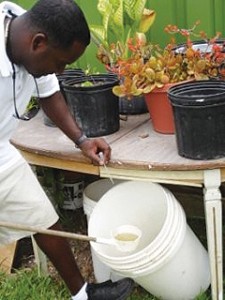
Residents are still being urged to remove standing water around homes and yards, where even small containers can quickly become mosquito nurseries during Cayman’s rainy season.
Modern mosquito control in Cayman increasingly focuses on interrupting the insect’s aquatic life cycle before mosquitoes ever take flight.
The strategy reflects a major shift in mosquito science over recent decades; away from heavy dependence on broad insecticide fogging and toward integrated pest management approaches that combine surveillance, biological controls and targeted larviciding.

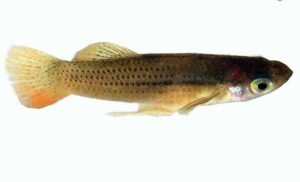
One biological ally in that battle is the tiny gambusia minnow, sometimes known as the mosquitofish. These small freshwater fish feed aggressively on mosquito larvae and have been used around the world in ponds and standing water to help suppress mosquito populations naturally. Cayman even has its own endemic species; the Cayman gambusia.
History of mosquito control
The history of the mosquito control programme in the Cayman Islands traces its roots back more than 60 years to the arrival of entomologist Dr. Marco Giglioli, a pioneering scientist who arrived in Cayman in 1965.
Mosquitoes, however, were troubling residents long before the modern era of aerial spraying and scientific surveillance. According to MRCU historical records, as far back as 1834 the governor of Jamaica described mosquitoes on Grand Cayman as “quite a national misfortune.”
The Cayman Islands remain famous among mosquito researchers. In the scientific publication, ‘The Natural History and Biogeography of the Cayman Islands’, it is noted that Cayman’s mosquito populations had “perhaps (reached) densities unequalled anywhere else in the world”. In May 1974, the record catch for a mosquito trap (a New Jersey light trap with a 25-watt bulb) was made in Bodden Town when 793,103 mosquitoes were caught in one night.
MRCU’s work now combines aircraft, drones, field surveillance teams, mosquito traps and data analysis to target breeding areas with remarkable precision.
The unit maintains an extensive network of canals, dykes and wetland access routes originally developed under Giglioli’s leadership to manipulate swamp water levels and disrupt mosquito breeding cycles.
Related Videos