The Cayman Islands experienced the highest maximum temperature in 10 years during 2022, according to the latest statistics.
It also collected a record amount of waste in the landfills – nearly four times more than 10 years ago – and experienced the highest number of mosquitoes in six years.
These and other data insights were revealed in the Economics and Statistics Office’s recently published Cayman Islands Compendium of Statistics 2022.
The annual data document features a comprehensive collection of statistics from various public and private sector sources.
This week’s article covers the climate, land cover, marine resources, environmental health, and energy.
Climate
A weather synopsis in the compendium shows that in 2022 the average temperature was up 2.3°F from 2012, but down 0.2°F from last year.
The maximum temperature was the highest in 10 years at 93.7°F; however, total rainfall was not exceptional at 54.46 inches – about an average of the past 10 years.
Cayman experienced 106 clear days, 184 partly cloudy days and 75 cloudy days in 2022. It rained on 152 of those days.
July was the hottest month at an average of 85.7°F, while January was the coldest with an average temperature of 79.1°F.
September was the wettest month by far, with a total rainfall of 10.7 inches, while March was the driest with only 0.5 inches of rainfall.
Humidity was highest in August and November when it was at 76%, and lowest in January and March at 70% and 71%, respectively.
The last year data was published on greenhouse gas emissions was 2011, and from 1990 till then, the numbers had been trending up, led by carbon dioxide.
Land cover and marine resources
The latest statistics on land cover stem from data collection by the Department of Environment in 2013.
They show that of the 49,311 acres that make up Grand Cayman, 41%, or 20,320 acres, was man-modified at that time.
Of the rest, 18,917 acres were wetland (38%), 6,569 dry shrubland (13%), and 3,505 dry forest (7%).
In Cayman Brac, 46% of the land was man-modified, or 4,354 acres out of 9,507 acres.
However, in Little Cayman that number was vastly lower, at just 10% or 724 acres, of the total 7,130-acre landmass.
At the time, the percentage of protected areas on each island was just 9.2% of Grand Cayman, 6.3% of Little Cayman and 3.4% of Cayman Brac.
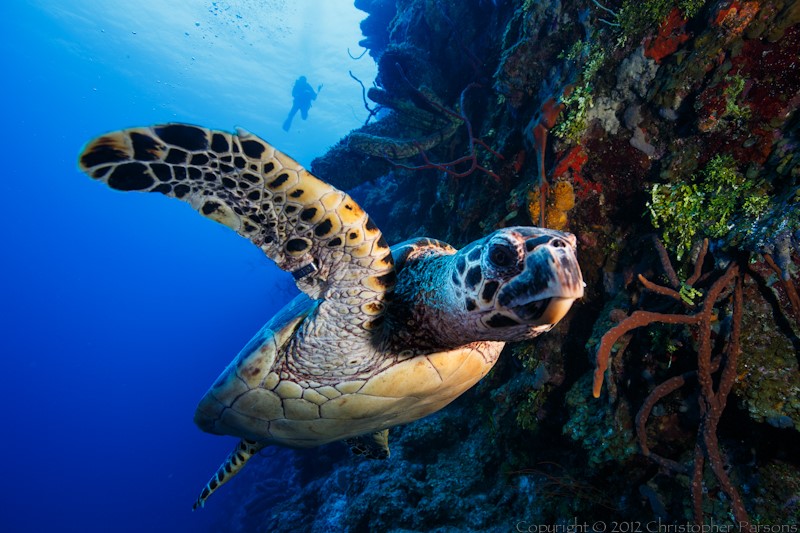
However, 18,206 acres, or 45.2% of Grand Cayman’s marine shelf area, are currently protected, according to the statistics, and of that, 15.6%, or 6,303 acres are ‘no-take zones’.
In Cayman Brac, 1,411 acres, or 26.8%, of its marine shelf area are protected, with 812-acres, or 15.4%, no-take zones.
And in Little Cayman, 3,298 acres, or 50.3%, of its marine shelf area were protected, and 714 acres, or 10.9%, are listed as no-take zones.
Environmental health
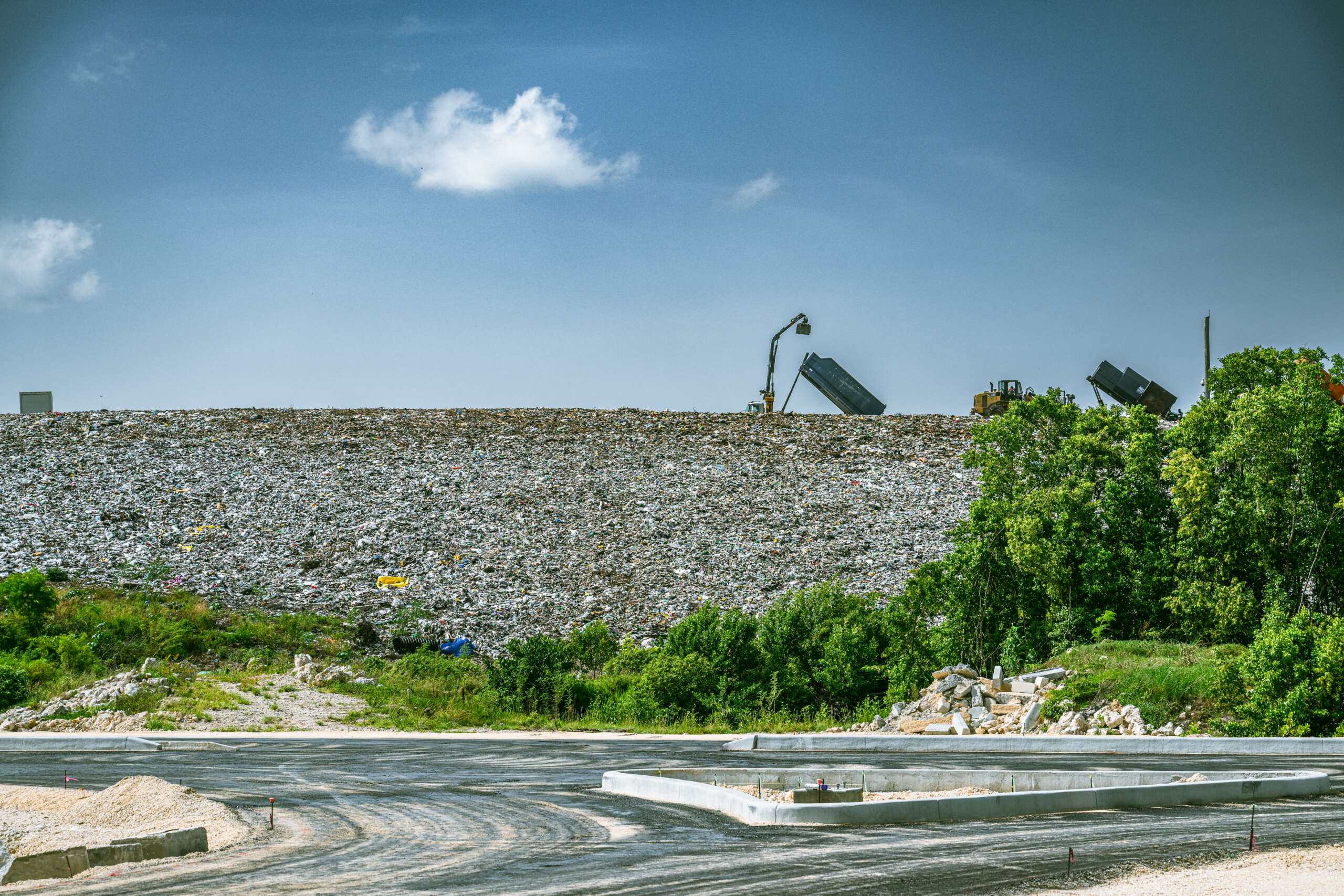
In 2022, the amount of waste managed in Cayman’s three landfills reached an all-time high at 154,590 tonnes. Of that, 407 tonnes were incinerated.
The level of rubbish was up 17,512 tonnes from 2021, and increased nearly fourfold from 38,697 in 2012, the compendium said. Previous Compass reporting suggests that the magnitude of this increase is, at least partially, due to more precise collection of data since work began on the National Solid Waste Management Strategy.
The amount of waste collected from commercial and residential locations also reached a new high in 2022 at 83,590 tonnes.
The Department of Environmental Health shipped 11,300 gallons of hazardous waste in 2022, identified three containers of chemicals, and inspected nine possibly hazardous sites.
The DEH also investigated 922 environmental health complaints, and served 34 abatement notices.
The department responded to 704 rodent-control requests or complaints and baited 21 commercial or institutional properties.
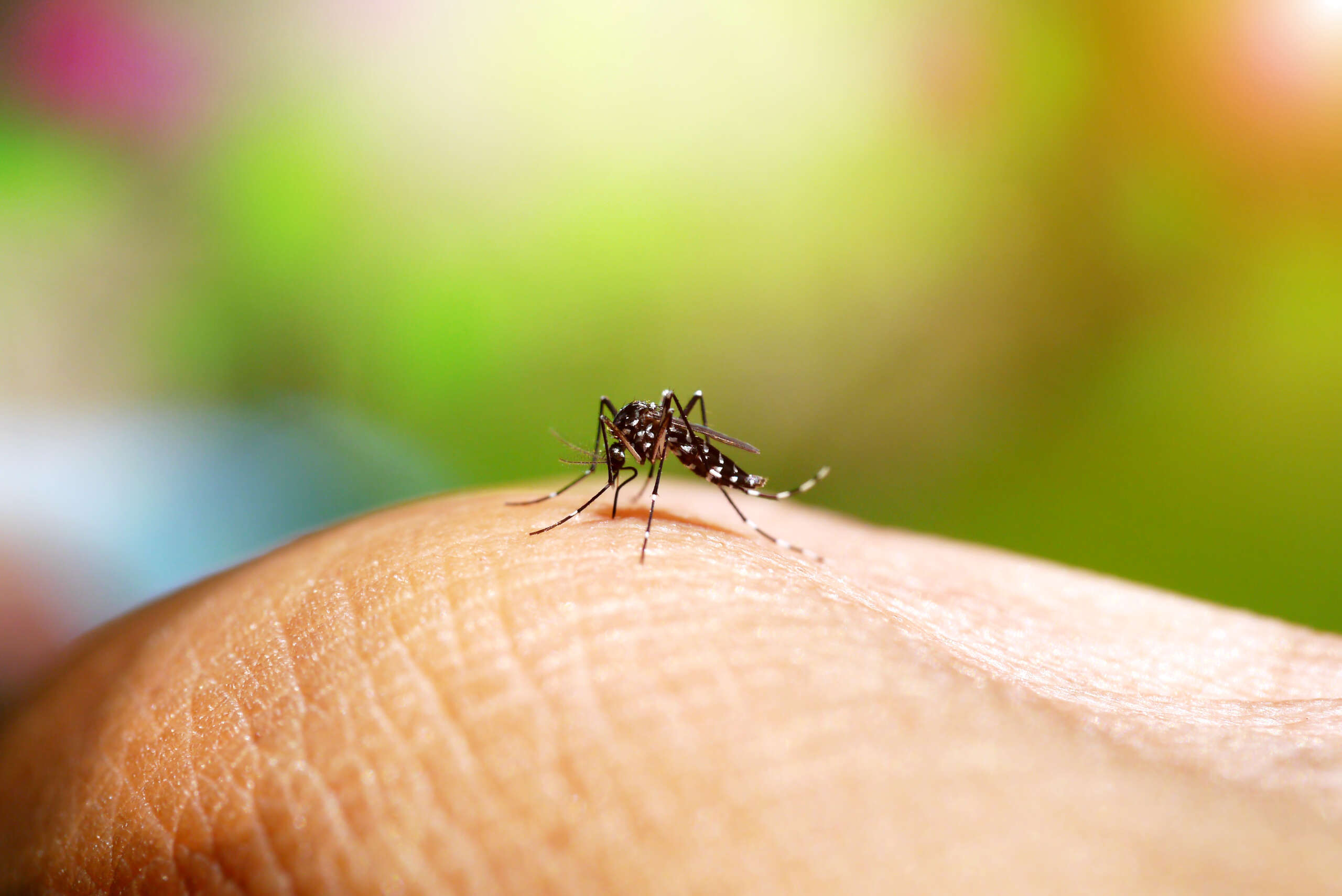
The average number of mosquitoes, estimated by using traps, was the highest in six years at an average of 71 caught per night in each of 31 traps across Grand Cayman.
The months that experienced the highest numbers of mosquitoes were July, August and October, reaching an average of 165 mosquitoes caught per trap in August.
Energy and water supply
The total amount of electricity used in Grand Cayman in 2022 was the highest ever recorded at 674,124 megawatt-hours – an increase in 2.5% from 2021.
Of that, 364,114 MWh were consumed in residential buildings, 307,277 MWh were used for industrial or commercial use, and 4,733 MWh for public lighting.
Potable water production was up at 1,674 million gallons – of which 1,673 million gallons came from Cayman Water Company and 1.5 million gallons from East End ground water.
The majority of the water was distributed by pipeline in Grand Cayman, with a small amount delivered by truck.
View the complete Cayman Islands Compendium of Statistics 2022 here.
Related Videos