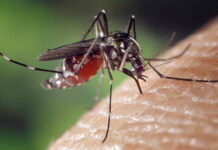
The Mosquito Research and Control Unit says a combination of seasonal rainfall, tidal flooding and challenging weather conditions is driving the first major mosquito emergence of the year across Grand Cayman, with some areas continuing to experience elevated mosquito numbers despite extensive control efforts.
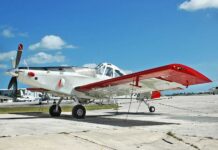
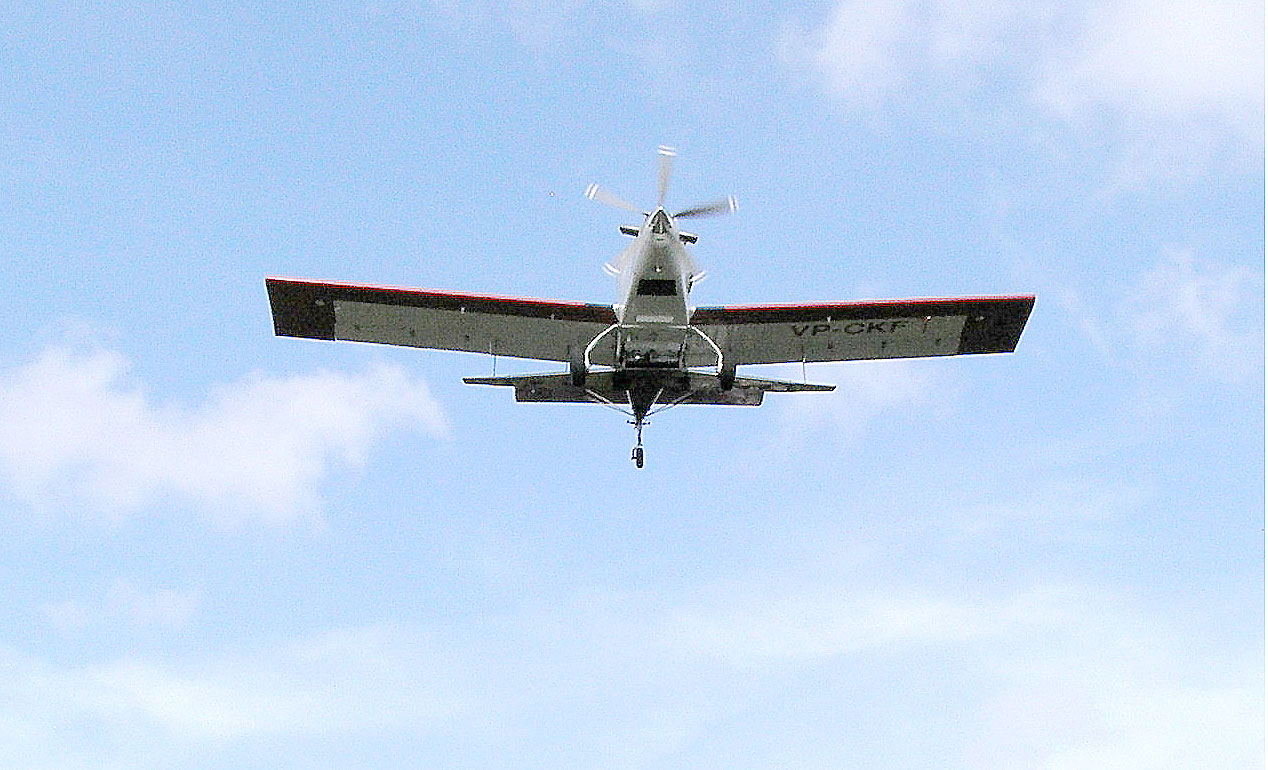
The unit denied that the absence over the past week of one of its two aircraft, taken out of service temporarily following a maintenance check, had had an impact on the recent mosquito surge.
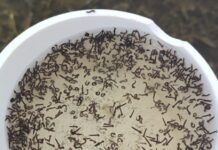
According to MRCU, mosquito production this year has been fuelled by tidal flooding in coastal wetlands combined with recent rainfall, creating ideal breeding conditions across large areas of the island.
While residents in many communities have reported uncomfortable mosquito levels in recent days, MRCU officials say proactive aerial larviciding and ground-based treatments carried out before the emergence helped reduce both the size and duration of the outbreak.
The unit has been conducting a combination of aerial and ground-based mosquito control operations, although MRCU said in the press release that recent weather has limited some planned activities.
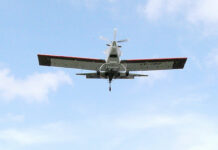
“Wind, turbulence and rainfall have prevented pilots from completing several scheduled aerial treatment missions this week,” it said in a press statement. It added that aircraft crews remain on standby and are prepared to take advantage of suitable weather windows whenever conditions improve.
Plane cleared to return to service
In response to queries from the Cayman Compass regarding the plane under repair, MRCU public education and outreach officer Kevin Watler confirmed the aircraft was taken out of service on 3 June after a discrepancy was identified during routine maintenance.
“The aircraft remained out of service while the matter was reviewed and assessed,” Watler said.
He explained that the investigation has since been completed and the aircraft was cleared to return to service on Thursday, 11 June.
Importantly, Watler stressed that the temporary grounding of the aircraft was not responsible for the current mosquito emergence.
“It is important to note that the aircraft being out of service did not contribute to the current mosquito emergence being experienced across Grand Cayman,” he said. “The increase in mosquito numbers is primarily the result of recent environmental conditions that have created ideal breeding conditions over a wide area.”
With the aircraft now back in operation, MRCU once again has both of its aerial treatment planes available for mosquito control missions.
“We are pleased to have both aircraft available and operational once again,” Watler added.
Improving weather conditions
MRCU officials said weather conditions have also become more favourable in recent days. Provided heavy showers do not occur during operational periods, evening aerial treatment missions are expected to continue during peak mosquito activity hours, helping maximise the effectiveness of control efforts.
Surveillance data collected from mosquito traps, field observations and public reports indicate that North Side, East End and parts of Central Grand Cayman are currently experiencing some of the highest mosquito activity. Elevated mosquito numbers are also being reported elsewhere across the island.
Officials noted that many of the mosquitoes currently affecting Grand Cayman originate in coastal wetlands and tidal habitats, where flooding can trigger the simultaneous hatching of large numbers of eggs. Winds can then carry adult mosquitoes considerable distances from their breeding sites.
Although aerial operations remain an important part of the programme, MRCU’s ground teams have continued truck-fogging operations whenever weather conditions permit. However, officials noted that trucks can treat far smaller areas than aircraft and are most effective when used as part of a broader integrated mosquito control strategy.
MRCU said mosquito numbers in Cayman Brac and Little Cayman remain significantly lower than those currently being experienced on Grand Cayman.
Related Videos