As Cayman enters the rainy season this month, mosquito control will become increasingly important to stamp out the public nuisance and limit opportunity for disease transmission.
While mosquito-borne disease outbreaks like dengue, Zika and chikungunya have not hit Cayman, the Mosquito Research and Control Unit said the risk remains.
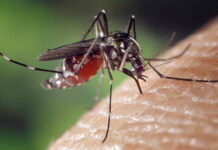
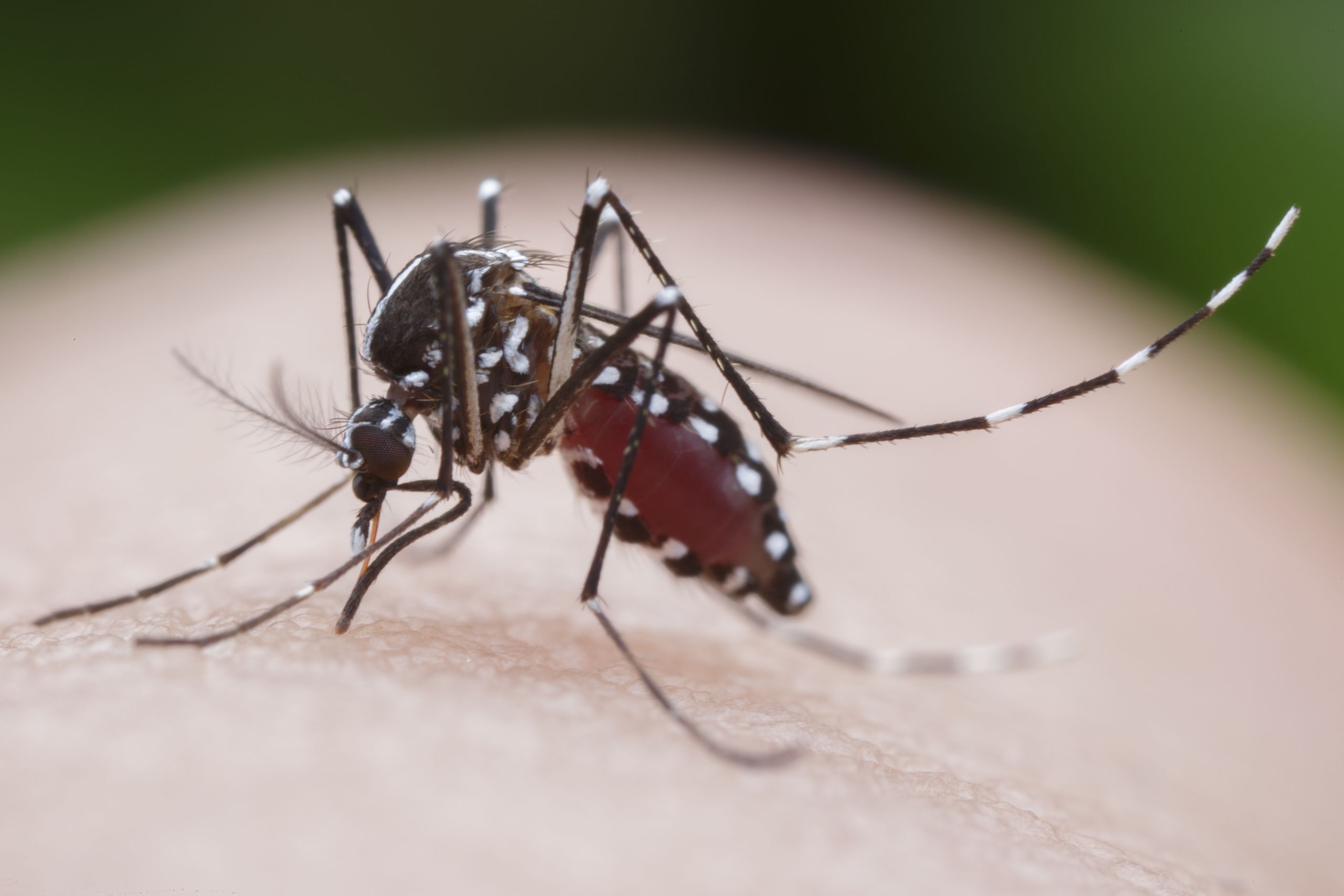
“The presence of Aedes aegypti mosquitoes – capable of transmitting these diseases – along with frequent international travel, means that we must all remain vigilant,” the unit said in a press release.
In addition to the control efforts, like aerial and terrestrial fogging, carried out by MRCU on the islands, the unit is encouraging residents to take their own steps, including:
- Checking around homes for containers that collect water, like buckets, tyres and plant saucers.
- Emptying these containers weekly and scrubbing them to eliminate mosquito eggs.
- Covering water storage containers with tight-fitting lids.
- Keeping gutters clear and removing debris where water can collect.
Rainfall and high tides can encourage mosquito breeding by creating flooded areas and stagnant water that are ideal for egg laying. Mosquitoes typically start to hatch and become adults about 10 to 11 days after flooding events.
For this year’s Caribbean Mosquito Awareness Week, observed 12–16 May, MRCU has partnered with the regional Caribbean Public Health Agency to spread awareness about the public’s role in limiting mosquito breeding.
This year’s theme is ‘Stop Disease Transmission, Start Source Reduction’.
MRCU provides updates on mosquito-control efforts through a number of online platforms, including Facebook, Instagram, WhatsApp, their website and an app that maps spraying activity.
Related Videos