Opposition leader Roy McTaggart has requested government to withdraw two bills dealing with national identity cards and registration from next week’s parliamentary sitting to allow the public more time to give their feedback.
McTaggart said he had spoken to and had formally written to André Ebanks, minister for investment, innovation and social development, to ask him to consider extending the public consultation period for the bills.
In his letter issued today, McTaggart said that despite government’s attempts to educate the public on the two bills, “the concerns are not going away”.
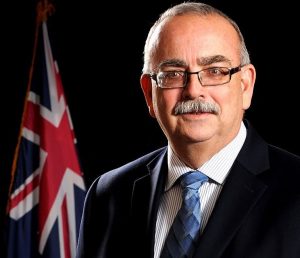
He said, “Some public concerns arise due to misunderstanding, but some are valid and need attention. Given the importance of these Bills, the Government should allow an extended public consultation period. My colleagues in the Opposition also share that view.
“An extended public consultation period will help ensure that all valid concerns are aired and considered. It can also allow the public to become more familiar with and understand the purpose and benefits of both pieces of legislation. The success of the Bills depends on getting it as right as possible at the start and ensuring the public trust both the Population Register and National IDs.”
Parliament is scheduled to begin its last meetings of the year on Wednesday, 7 Dec. As well as the Identification Register Bill 2022 and the Identification Card Bill, a number of other bills are also on the agenda for MPs to deal with.
Public consultation on the two national identification-related bills is set to end on 4 Dec.
The Compass has reached out to Minister Ebanks about the request from the Opposition and is awaiting a response.
Ebanks and ministry staff have been appearing on radio and online shows, and other media outlets, in recent weeks to explain about the proposed registry and ID cards, and to answer questions from members of the public about the need for such measures.

It will not be mandatory for people to enroll in the registry nor to get the ID cards, Ebanks said on the 23 Nov. episode of the Cayman Compass weekly talkshow ‘The Resh Hour’. “The fact that it’s voluntary, I think you’ll begin to see more and more people just adopt this organically,” he said.
Setting up and implementing a centralised identity registration and national ID card system is expected to cost $8 million over the next five years, officials say.
If the legislation and later associated regulations are approved and the registry established, this would be the first time the Cayman Islands would have centralised identity information.
All Cayman Islands residents, including Caymanians born here or overseas, could be enrolled in the registry, with the aim to make it easier for people to prove their identity and their immigration status, the ministry has stated.
The ministry says such a registry would mean a reduction in the amount of data collected by government agencies and would ultimately eliminate the need to submit the same documentation, such as birth certificates, to different government departments or multiple times.
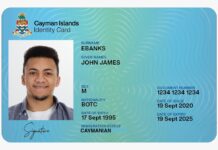
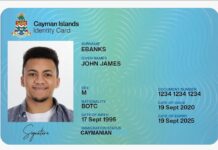
The registry would feature basic identity information such as name, nationality, date of birth, sex and immigration status, and assign a unique identification code to each individual.
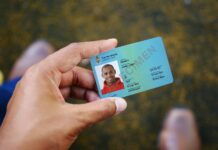
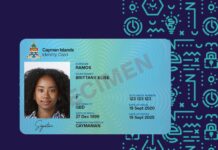
The government-issued photo ID card would be available to all residents for free, and would be used to verify identification in person and online, as well as to enable the digital signing of documents.
Officials say that voter identification cards, drivers’ licences and passports are the only current IDs available in Cayman, however not everyone has those, and a national identification card would fill this gap, and make it easier for individuals to access government services.
To take part in the public consultation on the two bills, click here.
Related Videos