While cases of flu-like symptoms are on the rise in Cayman, local supplies of the flu vaccine are on the decline. However, the Health Services Authority has said a fresh shipment of doses will be soon heading to Cayman.
Cases of flu-like symptoms crossed the 3,000 mark from 1 Sept. 1 to 31 Dec. 2022 with 3,043 cases registered at the HSA.
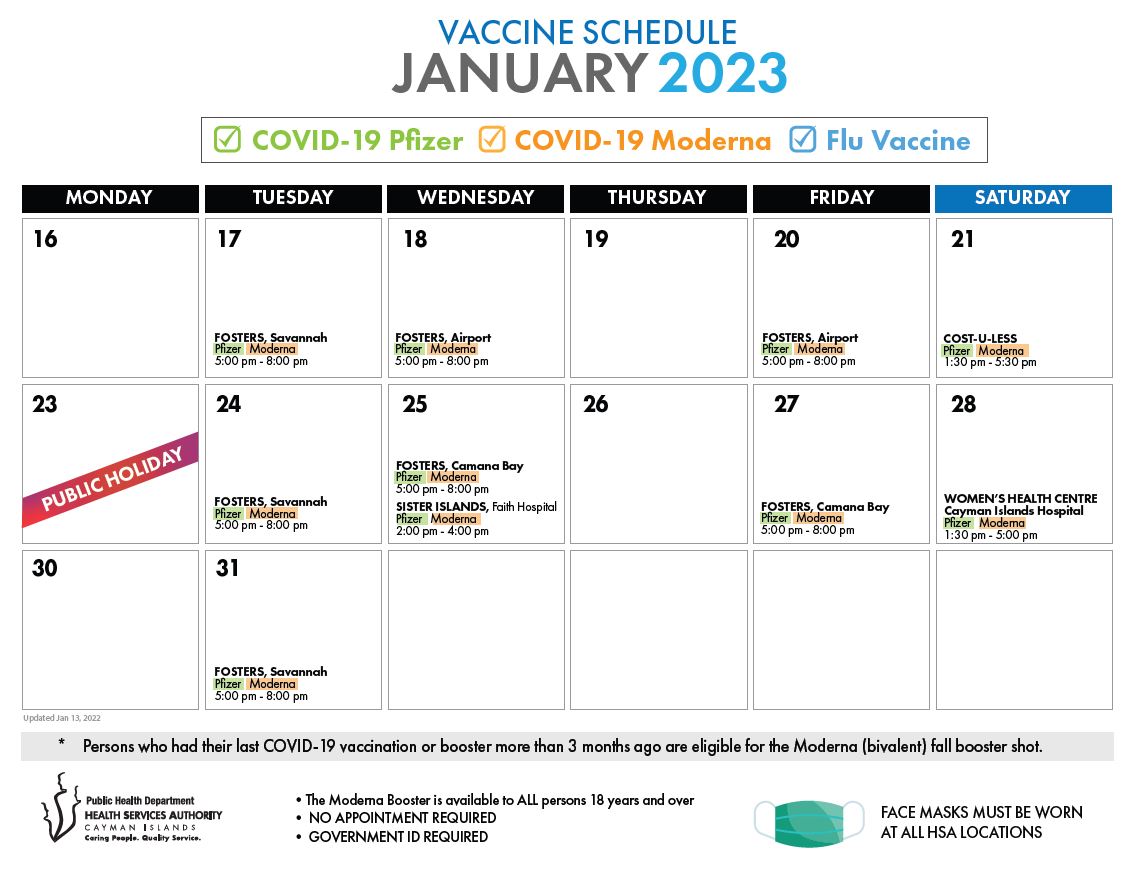
At present, only COVID vaccines and boosters are being offered at the HSA vaccination clinics, according to its latest schedule.
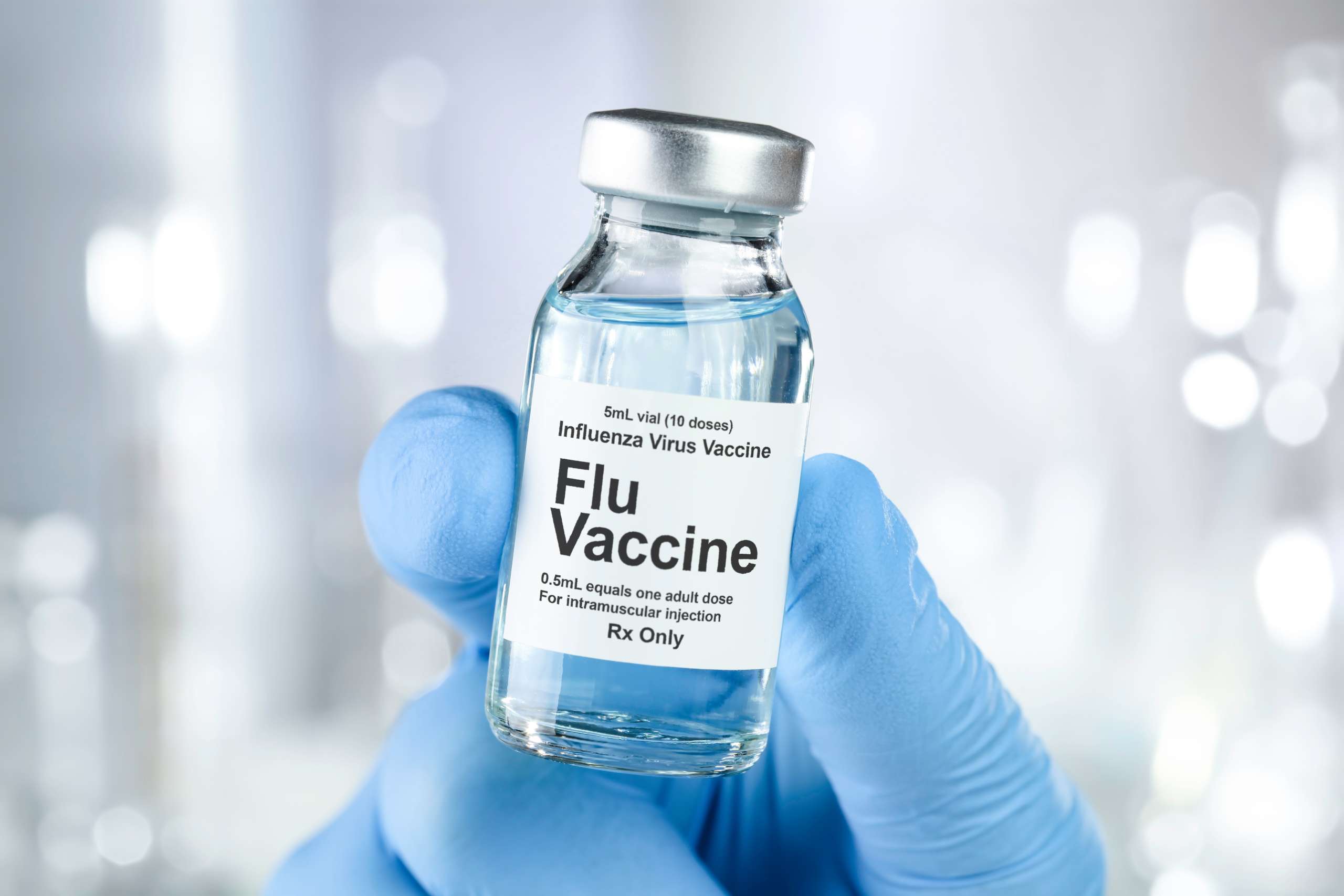
“We are currently awaiting the arrival of an additional shipment containing 500 flu vaccines. The shipment is expected to arrive towards the end of January. We have a very limited supply in stock,” the HSA told the Cayman Compass in an emailed response to queries about the existing supplies.
Between October and the first week in January, approximately 3,800 flu shots were administered, the HSA added.
Booster programme uptake slow
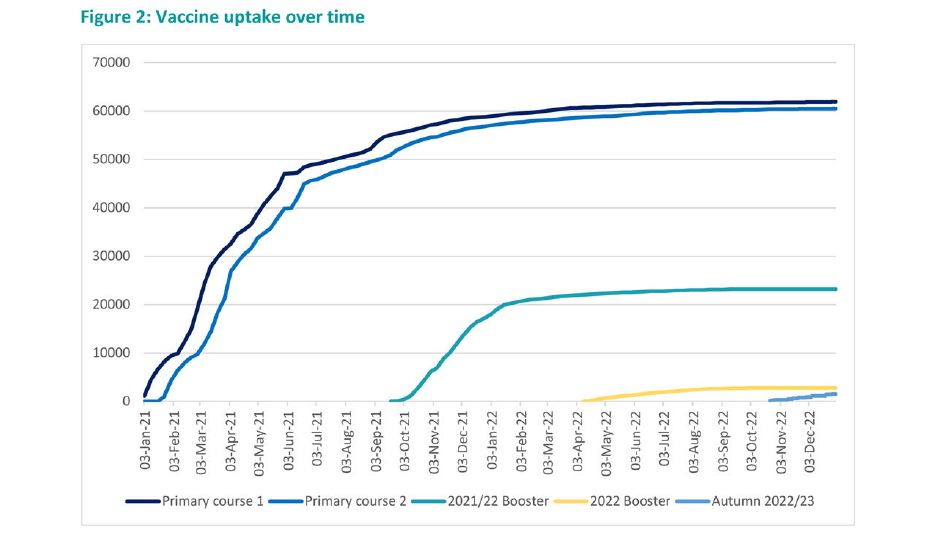
Meanwhile, Cayman seems to continue to struggle with its COVID booster uptake with numbers remaining low.
According to the December health spotlight newsletter from the Health Ministry, which was released Monday, the uptake of the autumn booster continued at a similar rate to November, with the highest uptake in 50-69 year-olds.
A total of 607 individuals received that booster, or 2.1% of the Cayman population.
When it comes to the local COVID situation, the spotlight data showed a similar picture in December as in the autumn months.
“There were 16 COVID-19 hospital admissions in December compared to 17 hospital admissions in November, although there was a slightly higher number of admissions in the last week of December. There were no COVID-19 patients admitted to the ICU or any who required ventilation. One COVID-19 death was reported in December,” the report stated.
It pointed out that genomic sequencing of COVID-19 samples from October-November 2022 showed that the Omicron variant continues to be the dominant strain, specifically the BA.5 lineages.
Sub-variants circulating
“There are a number of sub-variants within Omicron which are circulating, and during October-November the most commonly detected sub-variants were CN.1 which attributed [to] 21% of the samples sequenced, BA 4.6 (17%) and BQ.1 (14%). XBB has been detected in the Cayman Islands, with the earliest sample identified in late October, however available data does not indicate it to be a commonly detected sub-variant,” the report stated.
No figures were shared when it came to the total number of cases detected on island.
Speaking to the COVID situation unfolding in China, the report said the World Health Organization requested real-time data from China, and recent updates of genomic data suggest most of the variants circulating in China are BA.5 sub-lineages.
“Several countries have introduced pre-departure or post-arrival testing of passengers travelling from China including the US, UK, France, Italy and Australia. No travel requirements have been introduced for passengers arriving in the Cayman Islands,” the report stated.
Earlier this month, Chief Medical Officer Dr. Nick Gent said Cayman is assessing the risk the China situation poses, but he did not believe the recent new wave of infections in China currently was “a direct threat to the Cayman Islands”.
Looking at the variants making the rounds, the report said the XBB and XBB.1.5 are both sub-lineages of the Omicron variant samples which were first identified in September and October 2022, respectively.
More recently, it said an increase, particularly in XBB.1.5, has been reported in Europe and the US.
XBB.1.5 has a growth advantage over other Omicron sub-variants, meaning that it can rapidly replace them, the report said.
“XBB.1.5 has been detected in 29 countries globally, but not yet in the Cayman Islands, whilst XBB has been detected locally. Currently there is no evidence to suggest that these variants produce more severe illness, or are more resistant to protection from vaccines, and strongly recommend that everyone in the Cayman Islands should make sure that they have received a dose of COVID-19 booster vaccine during the last 6 months,” it added.
Mpox update
The spotlight report confirmed that there have been no cases of mpox detected in the Cayman Islands; however, surveillance is continuing.
It said that the multi-country mpox outbreak, formerly referred to as monkeypox, has continued to show signs of improving.
“Data up until 2 January reported by the WHO indicates that of the 110 countries, territories or states who have reported mpox cases, 79 have not reported any new cases for at least 21 days which is the maximum incubation period. The majority of new cases over the past week were reported in the America’s, however the trend in cases there is relatively stable. Over the past month ten mpox deaths have been reported; eight in Peru, one is Chile and one in Cameroon,” the report added.
Mpox is caused by a similar virus to smallpox.
Related Videos