At 26-years-old, Codi Whittaker has ambitious plans for the future of farming in the Cayman Islands.
After completing a degree in computer science and pondering whether to pursue a career in the corporate world, he decided instead to follow an idea he felt could revolutionise local agriculture.
Taking a leap of faith, Codi returned home from studying overseas and in 2020 launched his business Primitive Greens.
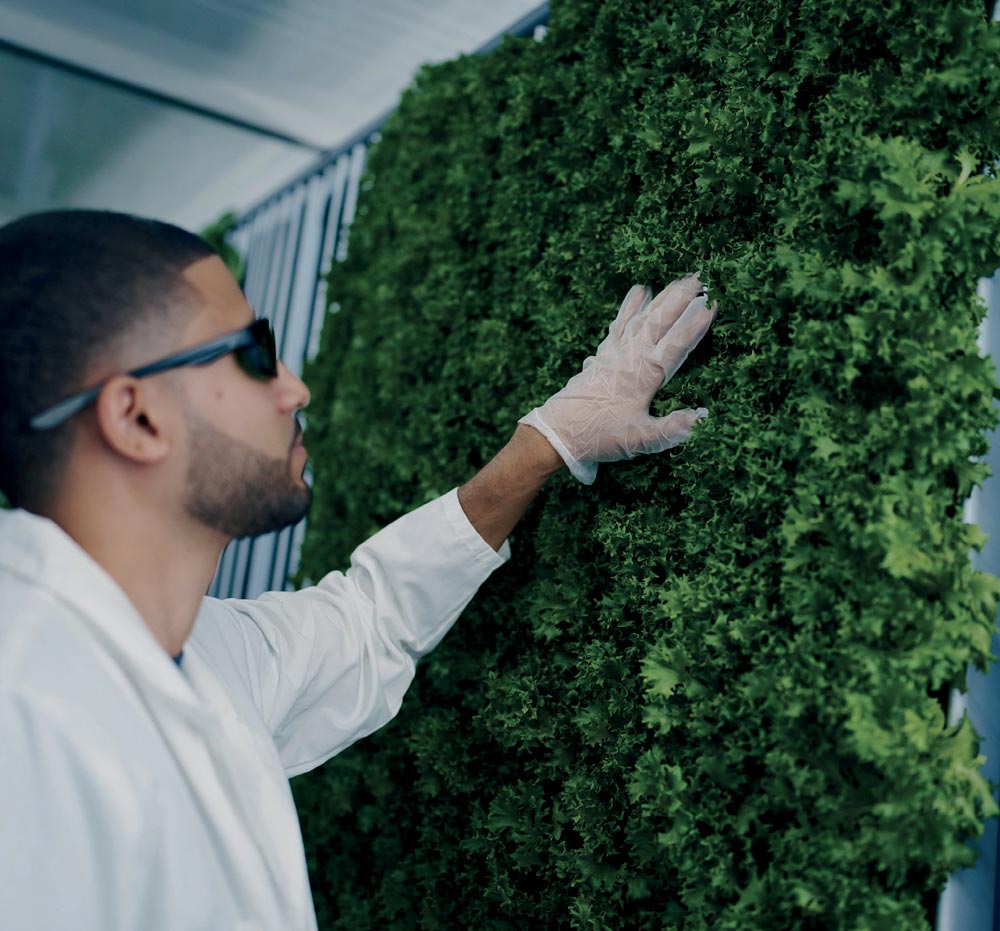
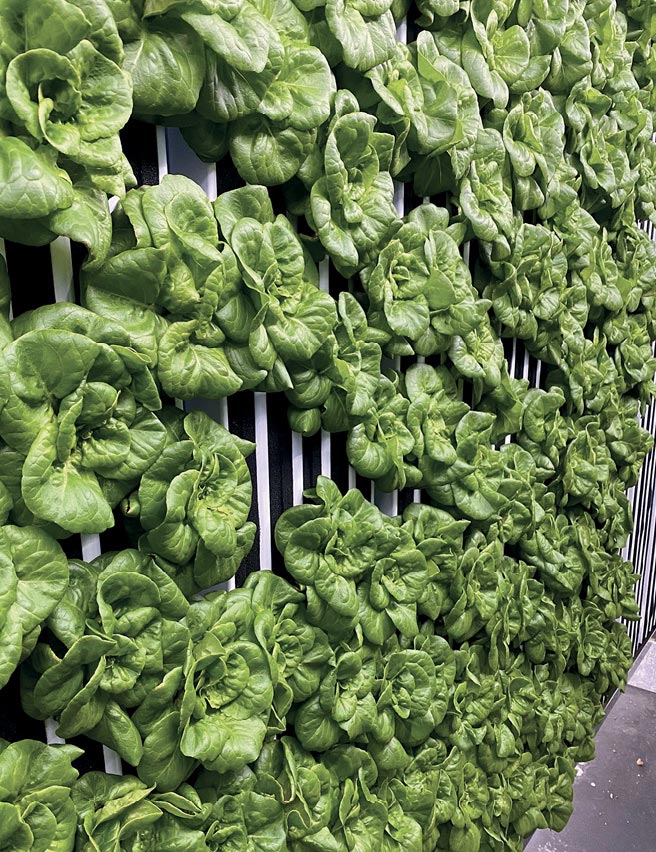
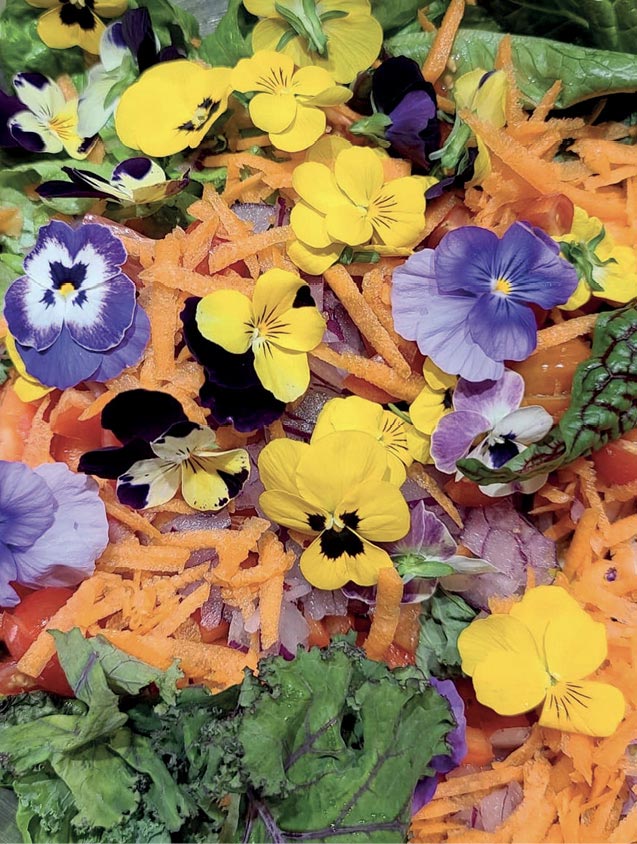
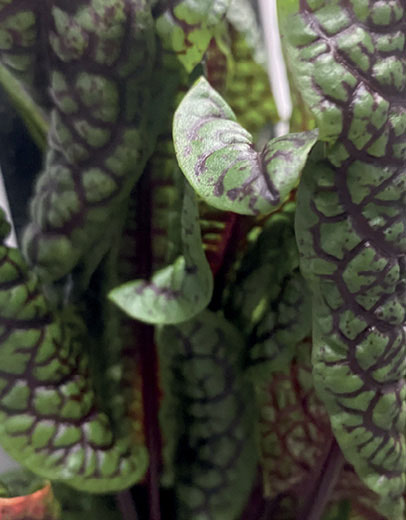
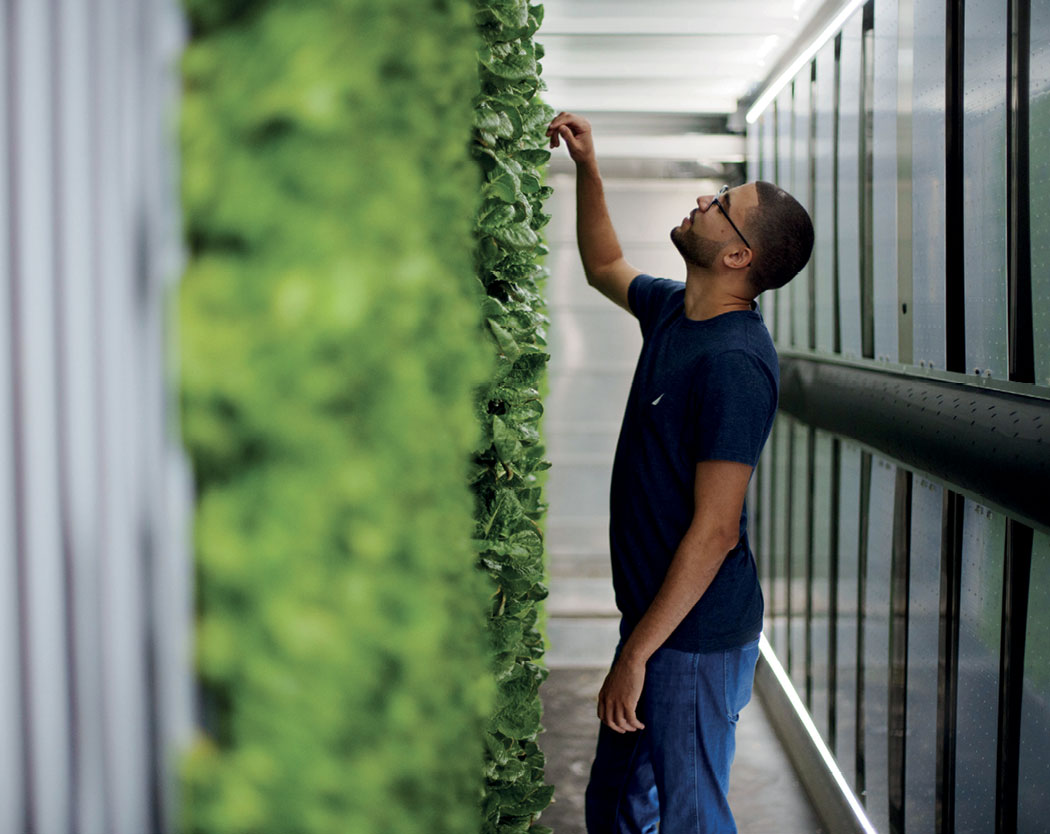
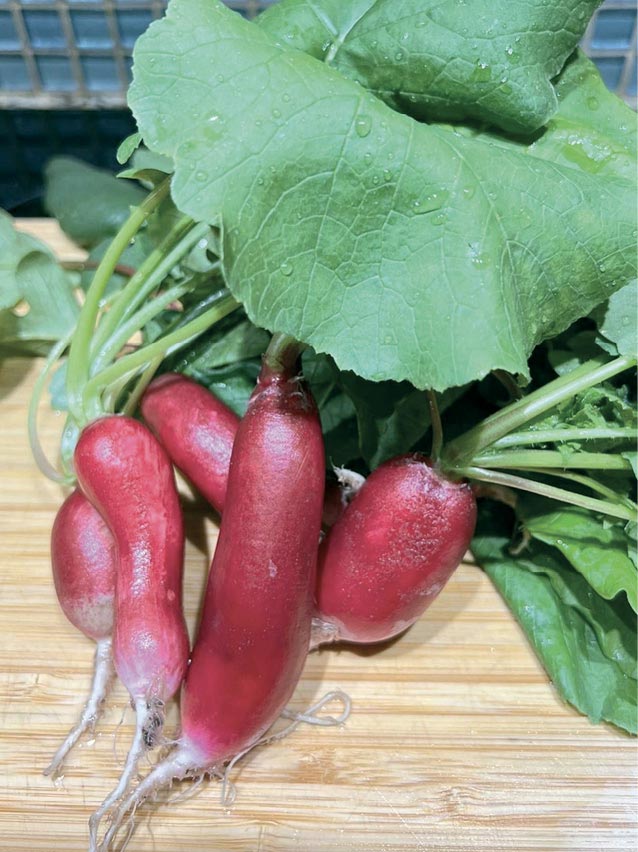
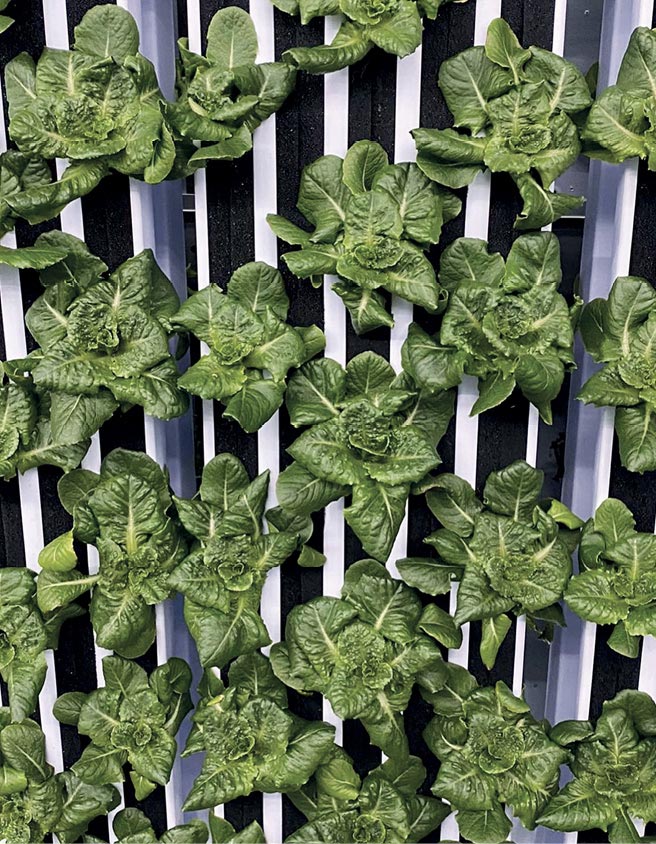
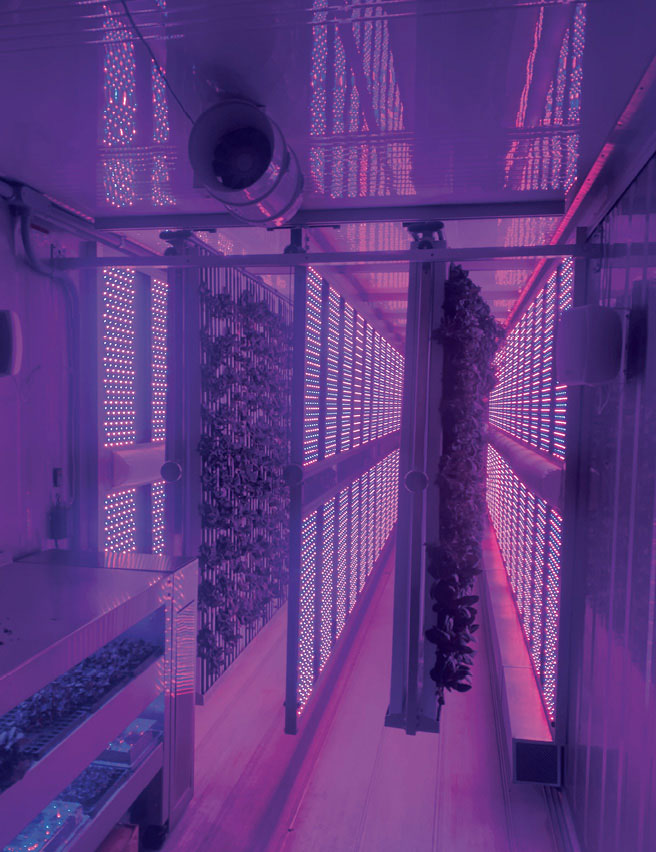
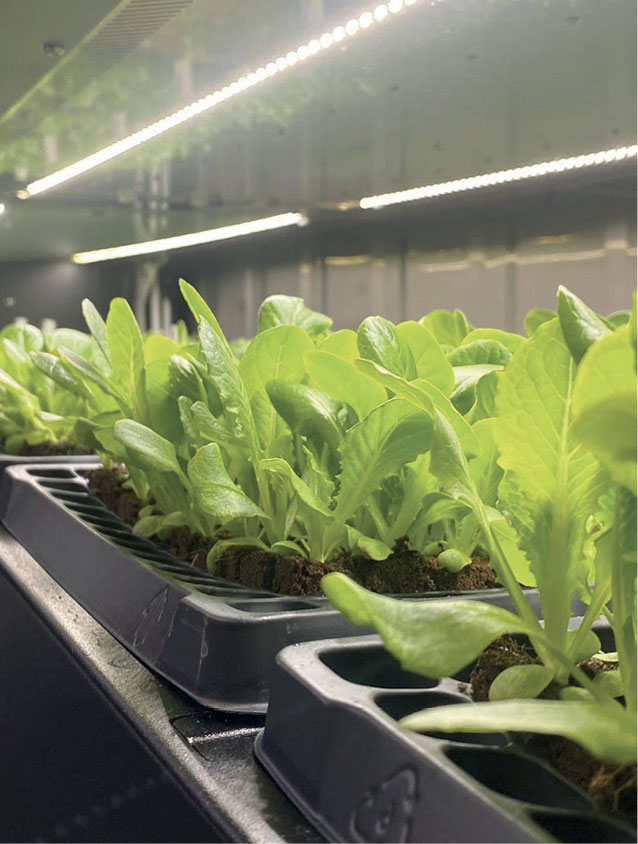
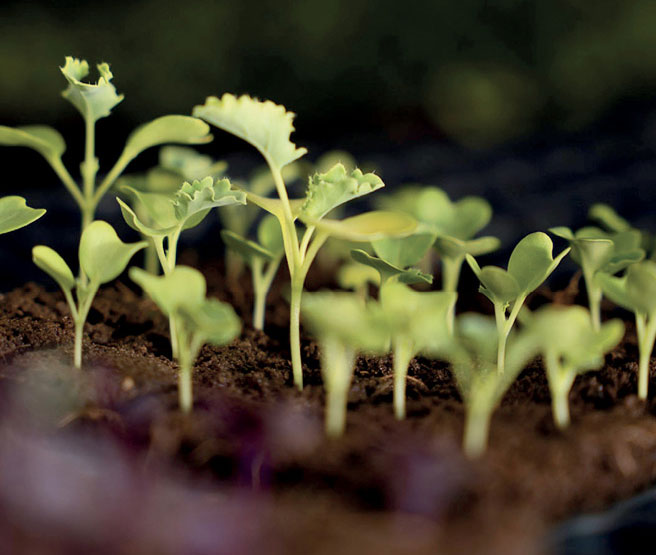
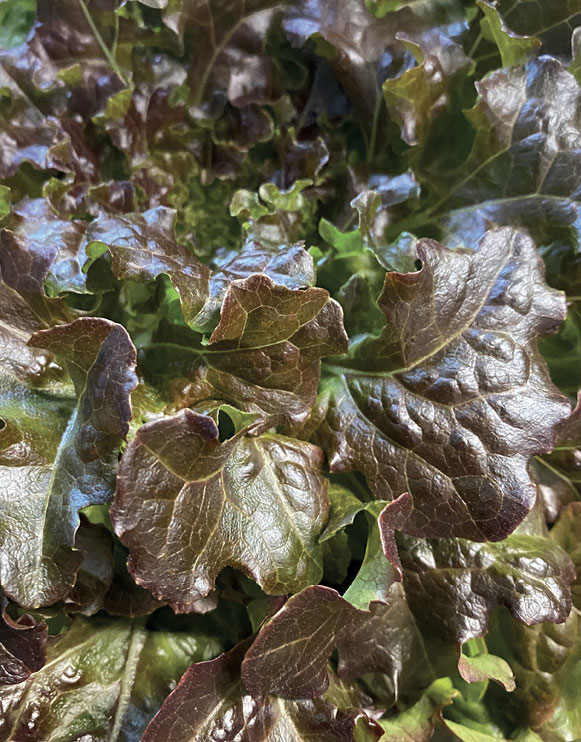
His produce, grown in 40-foot climate-controlled containers, is mostly lettuces, but also other leafy greens and herbs such as kale, arugula, basil, carrot, radishes and edible flowers. They are sold in the supermarkets on-island as well as various restaurants.

NO SOIL
The greens are all grown organically using a hydroponic technique, which doesn’t use soil. Everything is seeded, grown, harvested, packaged and shipped from the farm to ensure and maintain cleanliness and freshness.
“I would describe the business as the ‘future of farming’, which is our slogan,” says Codi. “I’m taking full advantage of my computer science degree whilst combining (with) a field which has been around for thousands of years.
“I’ve been around farming since a very young age, with my father and grandfather heavily involved in residential and commercial farming and livestock. Primitive Greens is the combination of innovation with a hint of the old ways of agriculture.”
The name of his business is significant for Codi who aims to dial back farming to a cleaner, greener state.
“The word primitive means ‘preserving the character of an early stage in the evolutionary development of something’ and this is exactly what we aim to do; take produce back to the basics,” he says. “Back to before they were sprayed with various chemicals in order to fight pests, extreme weather and to extend shelf life.”
FOOD SECURITY
Codi’s aim is to enhance food security and provide the highest quality leafy greens, taking a step towards food independence in the Cayman Islands.
“Our mission is to achieve long-term food security, promote sustainable agriculture and improve nutrition, that ensures a healthy life and general well-being for all ages,” he says. “We aspire to reduce inequalities, as everyone should have access to foods that are fresh and clean.”
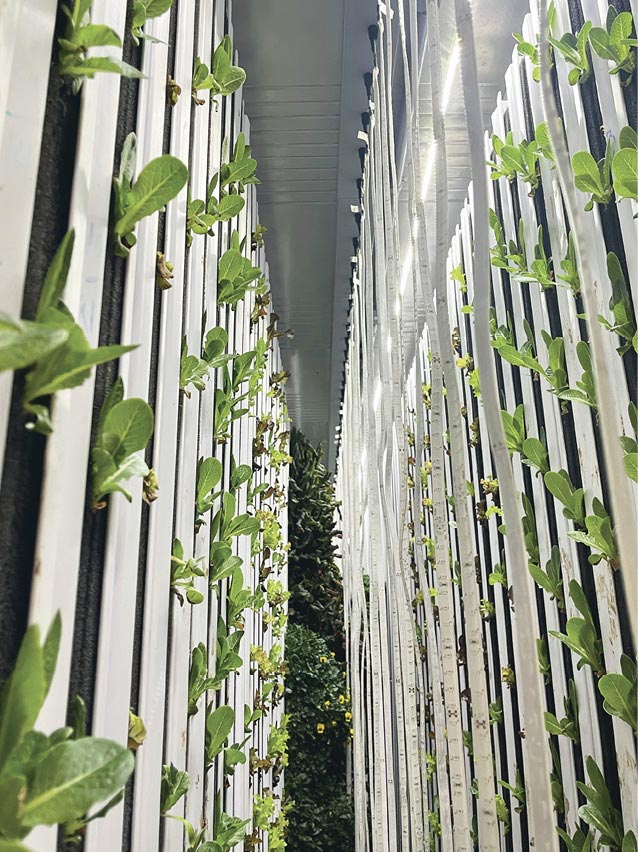
This method also solves a lot of issues surrounding growing conditions in Cayman.
“We have very limited arable land, and we are at risk from climate change,” says Codi. “Indoor farming provides a solution to these problems and also uses less water than traditional farming.”
TECHNOLOGY
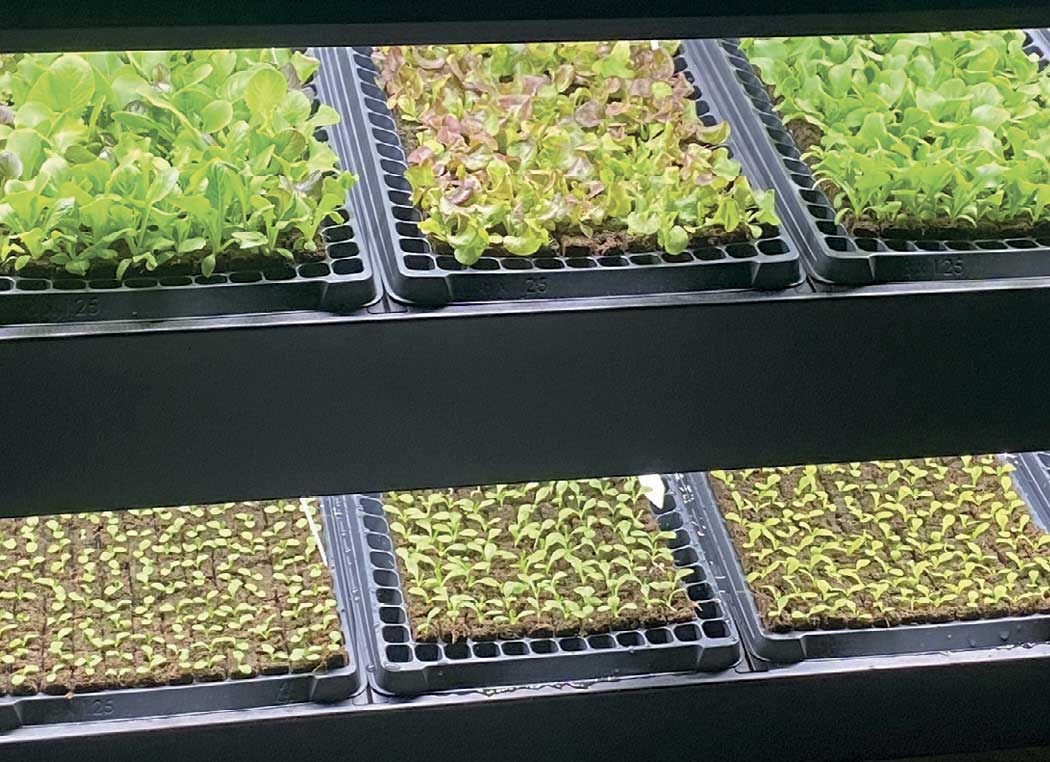
He uses the latest advancements in technology to grow the produce in the climate-controlled containers, which allows greens to be grown, year-round, without herbicides or pesticides.
Most operations in the containers are fully automated and monitored via programming, allowing Codi to keep track of temperature, humidity, CO2 levels, light and water cycles.
“We plan to pair this technology with low-cost, clean renewable energy systems to promote environmentally friendly space-conservation for food independence,” he says.
Pending approval for solar power to be used on the farm, Codi hopes to expand and use clean energy to power the entire operation, while using existing developed space and avoiding the need to utilise habitable land.
“In the event of storms and grid unavailability, the farming operation can energy self-sustain, ensuring food security for the country all while providing cheaper and healthier vegetable produce to the Cayman Islands versus what is currently imported,” says Codi.
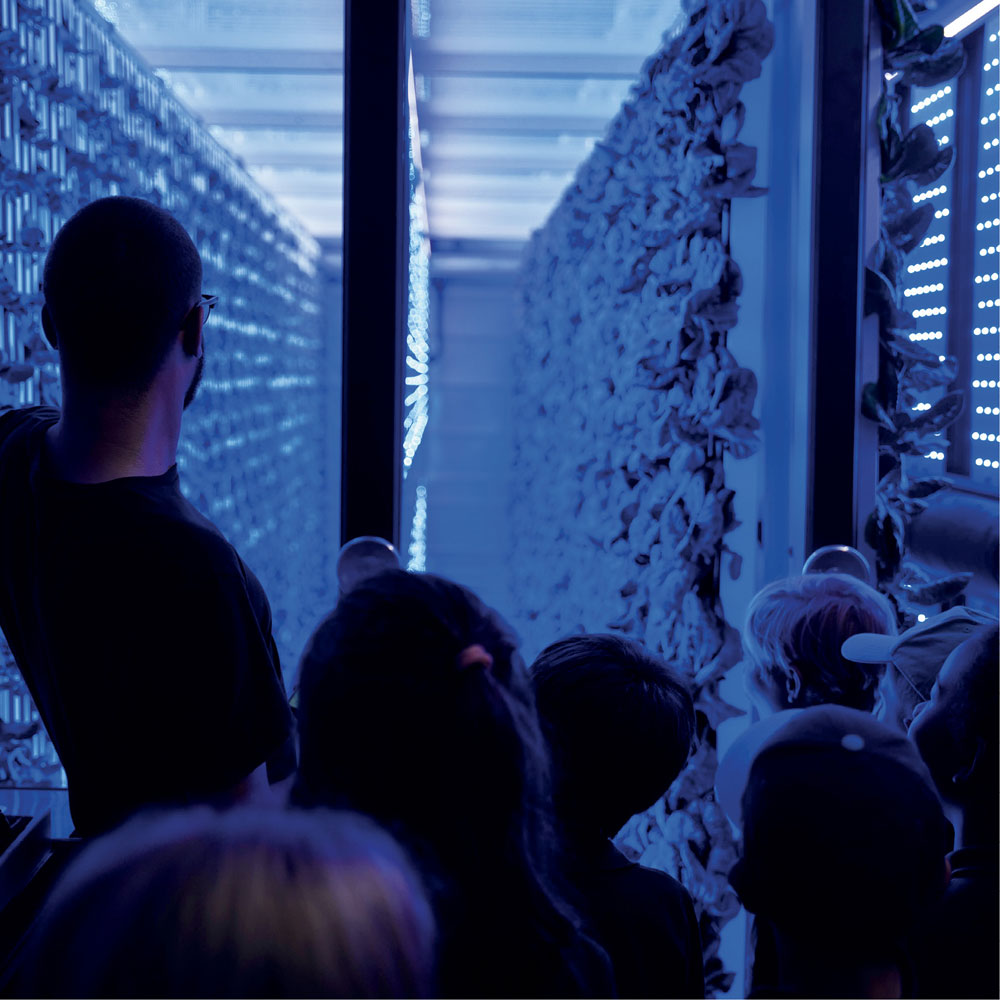
SCHOOL GROUPS
As well as growing greens commercially, Codi is keen to help educate other young Caymanians about the benefits of hydroponic farming and regularly hosts groups of school students at the farm in Spotts.
“Our project, combining sustainable vertical farming and renewables, will allow teachers to enhance the education of students from K-12 to college,” he says. “A versatile tool, the modular farms will provide an opportunity for hands-on activities and non-traditional learning.
“While non-traditional, our project can be integrated into the current curriculum and has the potential to teach and clarify abstract concepts in several STEM subjects.”
Codi is confident that his pioneering project at Primitive Greens will help steer agriculture in the Cayman Islands in the right direction.
“By creating an avenue for food production locally, and ingraining this urban agriculture into society, we are increasing productivity in our ecosystem to sustainably strengthen our way of life into the future for our developing community,” he says.
This article appears in the Spring/Summer 2023 issue of InsideOut magazine, now available at magazine stands and delivered to select homes.
Related Videos