With the start of the hurricane season days away, the Mosquito Research and Control Unit has kicked off its pre-hatch treatment, the annual larvicide application that takes place before the start of the first major rain of the year.

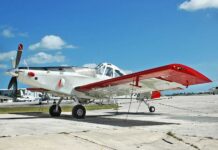
The pre-treatment, which is currently under way, follows MRCU Director Alan Wheeler’s warning earlier this month that Cayman’s mosquito problem will surge with the rains and the problem will continue if a second pilot is not found soon to fly the mosquito plane, the islands’ first line of defence against the insects.
Wheeler, speaking on the Cayman Compass weekly talkshow ‘The Resh Hour’ on 10 May, said he and his team were doing the best they could with the resources at their disposal, but there is an urgent need for a second pilot to help get the mosquito problem under control, especially as the rainy season looms.
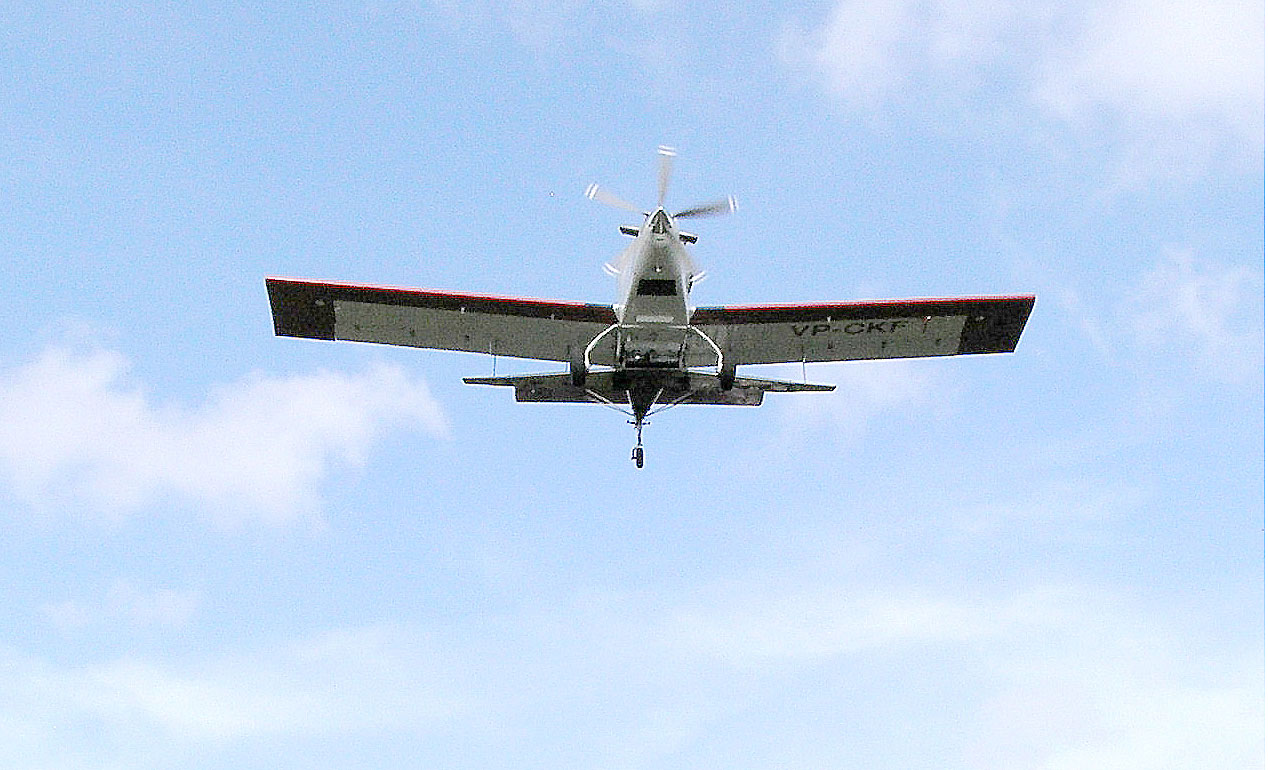
“MRCU’s Pre-Hatch Treatment is a preventative control method, killing the mosquito larvae before they can develop to biting adults looking for a blood meal. Due to the nature of this operation, larviciding only takes place during daylight hours and requires several passes of the MRCU airplane over a particular area,” the MRCU said in a press release issued Monday.
Wheeler explained that the treatment allows MRCU to apply larvicide products to known breeding sites with the intent of killing mosquito larvae when they hatch after flooding.
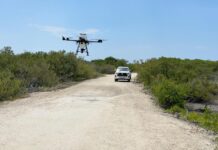
“We use two main products: methoprene and spinosad, both of which are biorational products. These are applied as pellet formulations to the mosquito breeding areas during MRCU aerial operations,” he said in the release.
Targeted approach
Biorational products, the release said, are low-impact substances or products that are typically biologically derived.
“This means they have relatively low toxicity, and cause relatively little damage to the environment,” it added.
In mid-April, the king tides and accompanying flooding led to an explosion of mosquitoes.
However, it is hoped with this regimen of treatment any further mosquito surges will be controlled.
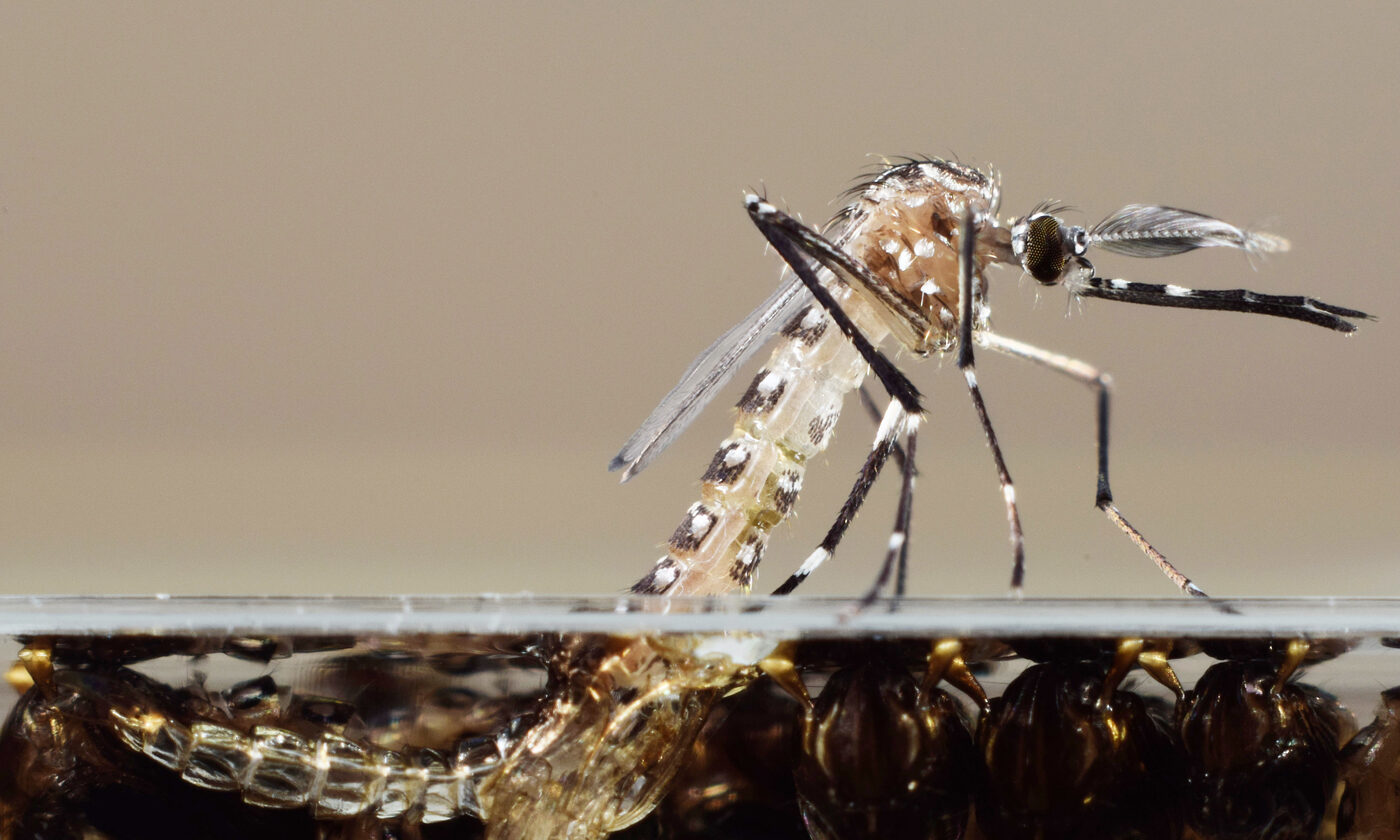
Mosquitoes emerge when the eggs are submerged and then hatch after flooding, which may be due to high tides or rainfall, Wheeler said.
He stressed that it is important that the community understands that the MRCU cannot control those events.
Wheeler added, “By conducting preventative control operations – such as larviciding – we can minimize the number of adult mosquitoes emerging. However, MRCU supplements this work by also conducting its adulticiding operations as a responsive control measure to quickly control biting mosquitoes. Adulticiding operations, which only happen at dusk or in the evening, can take several days based on the size of the emergence.”
The pre-hatch treatment has already been completed for the Sister Islands, and MRCU began treatment in Grand Cayman on 17 May.
The MRCU team will need 10-14 days to complete the treatment, depending on weather and resources.
For more information or to file a mosquito-related complaint, contact the MRCU on 949-2557.
Related Videos