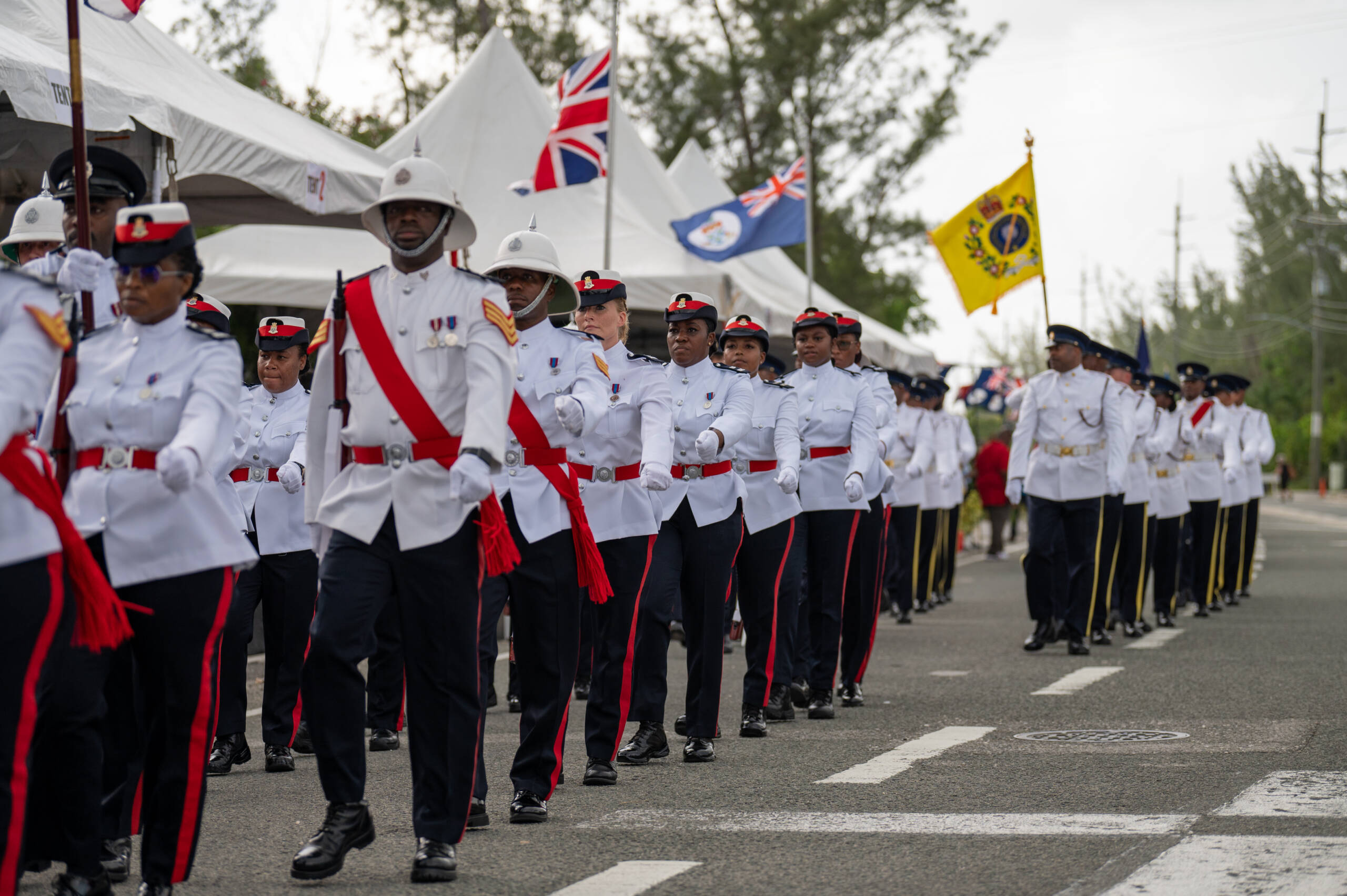
The RCIPS reduced its expenses by almost $1.9 million last year, mostly because of challenges with hiring and keeping staff, according to the police service’s 2022 financial report.
Financial statements, which form part of the RCIPS 2022 annual report tabled in Parliament, showed that RCIPS personnel costs were lower than their original budget by $2.4 million as a “result of the challenges of recruiting and retaining quality employees”.
However, the report noted that expenses are likely to rise this year “as a result of 2022 end-of-year recruitment, increased health care costs and the full year impact of the cumulative 4.5% increase in salaries and pensions”.
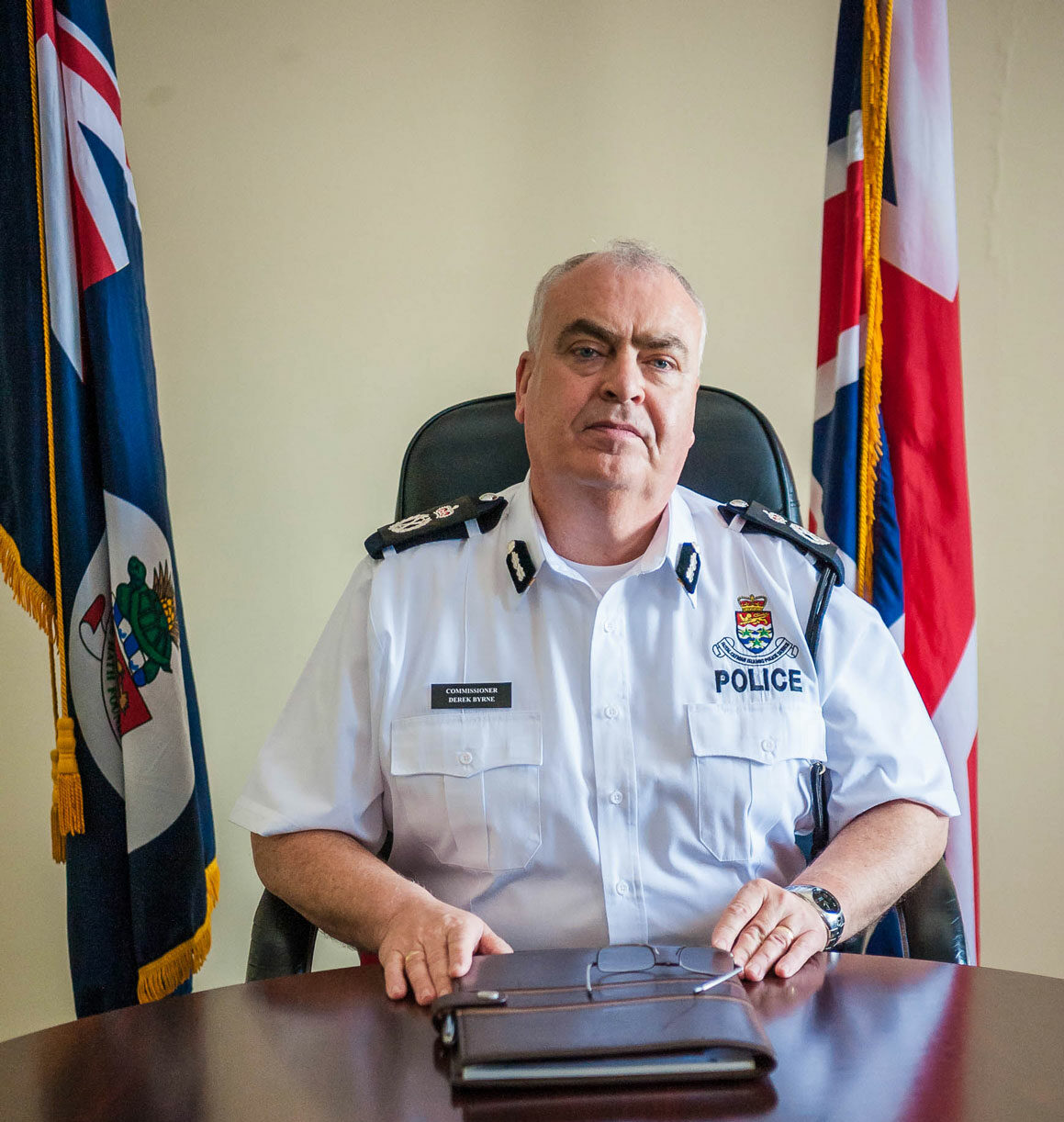
Police Commissioner Derek Byrne said in the report that 37 police constables had been recruited by the end of the year, as well as 23 auxiliary officers.
He added that a new memorandum of understanding between the Office of the Commissioner of Police and the Judicial Administration meant auxiliary officers could provide “much needed resource for posts in the courts”.
Auxiliary officers have also been posted to Government House, the police custody detention facility and other locations, freeing up police constables for front-line duties, he said.
The Office of the Commissioner of Police closed the year with a total operating expense of $52.62 million, compared to the budgeted amount of $54.48 million, resulting in savings of $1.86 million. Actual monthly expenditures averaged $4.39 million, $150,000 lower than the budgeted average of $4.54 million.
The report noted that the office had accomplished budget compliance without the need for supplementary funding “by active and prudent management of approved budgets”.
At the end of 2022, the RCIPS had 404 police officers on the payroll, 199 of whom were Caymanian. A total of 205 officers were non-Caymanian, with the highest nationality being Jamaican at 134, followed by British officers totalling 26.
On the civilian staff side, Caymanians outnumber their foreign counterparts, 67 to 40.
Though there were personnel cost savings, supplies and consumables costs were higher than the original budget by $700,000.
“This was driven mainly by higher than budgeted training and recruitment costs of $0.4 million, purchase of services of $0.4 million and $0.1 million associated with lease of property and equipment. Included in the purchase of services is aircraft maintenance and professional fees,” the financial statement said.
Though noticeably higher in 2022, the financial report stated the costs were offset by savings in expenses related to forensics and investigations.
“There were also significant savings in fuel and oils, primarily arising the introduction of a more fuel-efficient fleet of vehicles, utilising reduced engine capacity and the use of hybrids where possible,” according to the financial statement.
Capital expenditure totaled $1.52 million, $510,000 of which was accounted for through the modernising of the fleet of vehicles.
“This ensures fit-for-purpose vehicles whilst reducing the carbon footprint by utilizing reduced engine sizes and hybrids where possible,” the report noted.
Investment in building and leasehold improvements, furniture and office equipment, and computer hardware was $500,000.
“This investment ensures that the safety and operating capabilities of staff is maintained as new accommodation is sourced to replace the old George Town Police Station,” the financial statement added.
Plant and equipment additions costing $110,000 were primarily used to establish the weapons platform for the Cayman Islands Coast Guard.
The report noted that a $390,000 ‘work in progress’ includes payments to buy a 29-foot full cabin boat for the Coast Guard and body armour for police officers.
According to the report, in 2022 the 44-foot Protector II and the 27-foot Trident were added to the Coast Guard fleet.
“Further growth and investment are planned over the next 2–5 years for additional personnel, marine fleet and equipment,” the report added.
Related Videos