For the latest information on storm activity in the Cayman Islands, as well as information on how to prepare for hurricane season, visit Storm Centre.
The stark reality for thousands of people living in Cayman, as per the Economics and Statistics Office, is that of life on the cusp of the poverty line, living from pay cheque to pay cheque as they struggle to make ends meet.
In addition to the financial gymnastics needed to keep up with the soaring cost of living, which has been worsened by stagnant wages, residents must now find ways to stock extra provisions for hurricane season – this after the world’s leading forecasters have said a greater number of stronger storms are likely to develop within the next three months.
“Life is hard enough as it is right now,” said a 70-year-old retiree who asked not to be named.
The woman, whose pension funds dried up many years ago, resides in the Apple Blossom estates in West Bay – a now-condemned government low-income housing scheme.
In a spare bedroom at the back of her modest house, are storage containers stacked to save space.
“This was my son’s room, but he died last year,” she said, fighting back tears. “I keep my supplies in here and turn on the AC every now and then to keep them cool so they can last longer.”
In the storage containers are several tins of mackerel, sardines, corned beef, and spam, along with an assortment of dried goods.
On the floor are a couple of bottles of bleach and out front are half-a-dozen empty five-gallon bottles she will use to store water if a storm comes barrelling down.
“In total, I paid about $500 for everything, but I’ve been gathering supplies from back in January, each month little by little when I get some money from my daughter,” she said. “This is enough to last me for about two weeks if a really bad storm comes.”
With no steady source of income and little-to-no assistance from the government, the retiree is arguably on the extreme end of the economic spectrum.
But as the Cayman Compass previously reported, a sustained rising cost of living is making her circumstances increasingly more common.
Affording a storm
The annual Atlantic hurricane season runs from 1 June to 30 Nov, often running in to December. Barring any rogue storms, that gives residents five months from the beginning of each year to begin their preparations and gather supplies.
Five months – or 151 days.
While this might seem like a reasonable amount of time for people to get their affairs in order, it is meaningless.
Most people look at hurricane preparation as something they can deal with over a matter of months, but in reality the limiting factor is the amount of their pay cheques from January to May.
According to the ESO’s Fall 2022 Labour Force Survey, 59% of Cayman’s 56,355-person workforce earn on average $2,900 per month, with 11% earning between $0 and $1,199 monthly.
For context, Cayman’s minimum wage of $6 per hour produces a monthly salary of $960; compared to the ‘starvation wage’ of $6.50 which produces an average monthly salary of $1,040.
So those pay cheques over the five months, which must each cover the cost of housing, food, transportation and unforeseen emergencies, were quickly spent with little-to-no room for savings, let alone spare cash for non-urgent items.
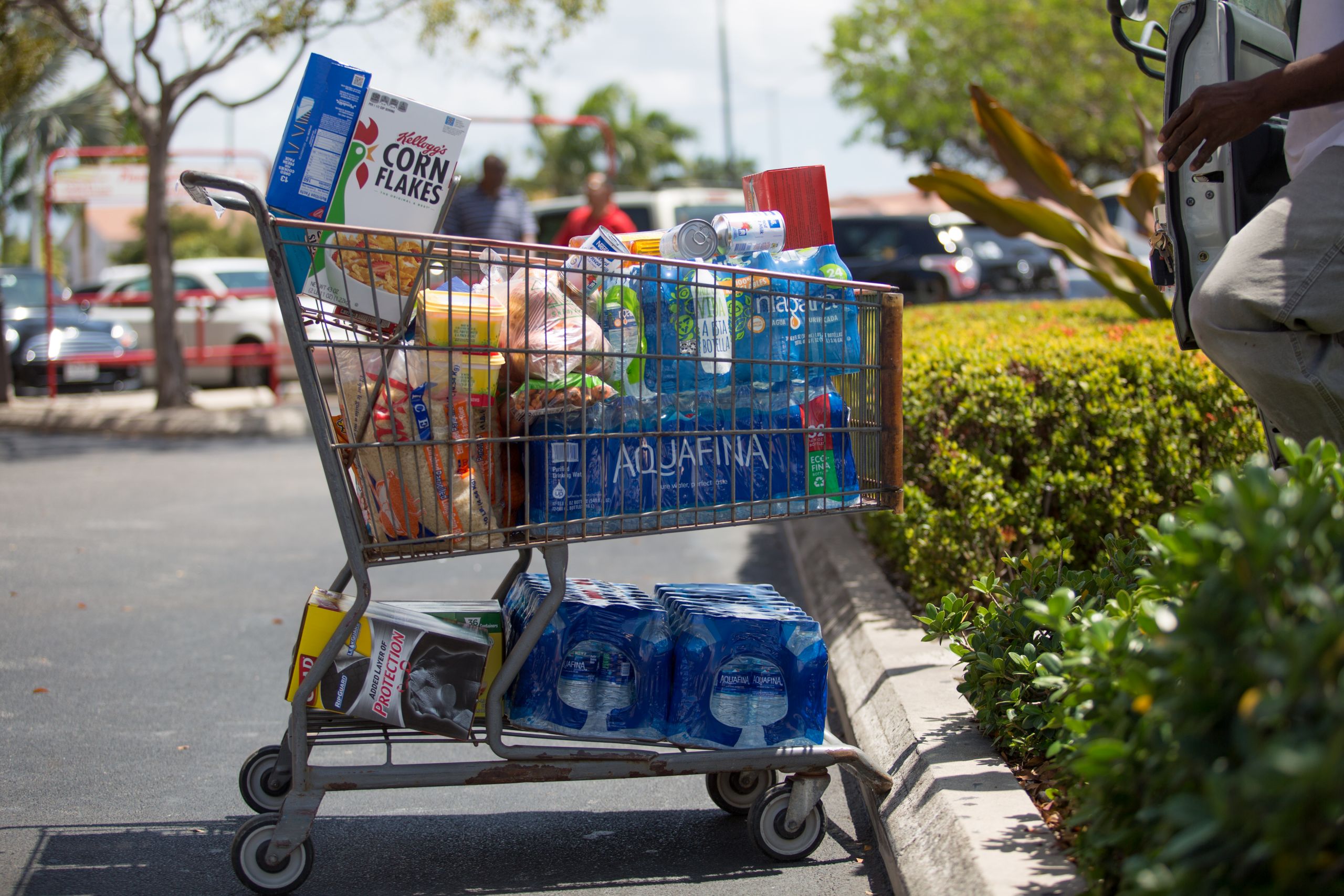
In a non-scientific survey conducted by the Compass, 86% of respondents stated that they purchased hurricane supplies last year, while only 21% have purchased supplies this year. According to the data, the number one issue when deciding whether to purchase hurricane supplies was cost-of-living.
“The people that we are helping are struggling to prepare for today or tomorrow, let alone for hurricane season,” said Tara Nielsen, of non-profit Acts of Random Kindness.
Nielsen, who has been on the front lines of Cayman’s poverty-stricken areas, says each year ARK does what it can to help families keep food on the table and the power on.
But even if residents are able to stock up enough provisions to ride out the aftermath of a major hurricane, that is only a fraction of the cost of preparations.
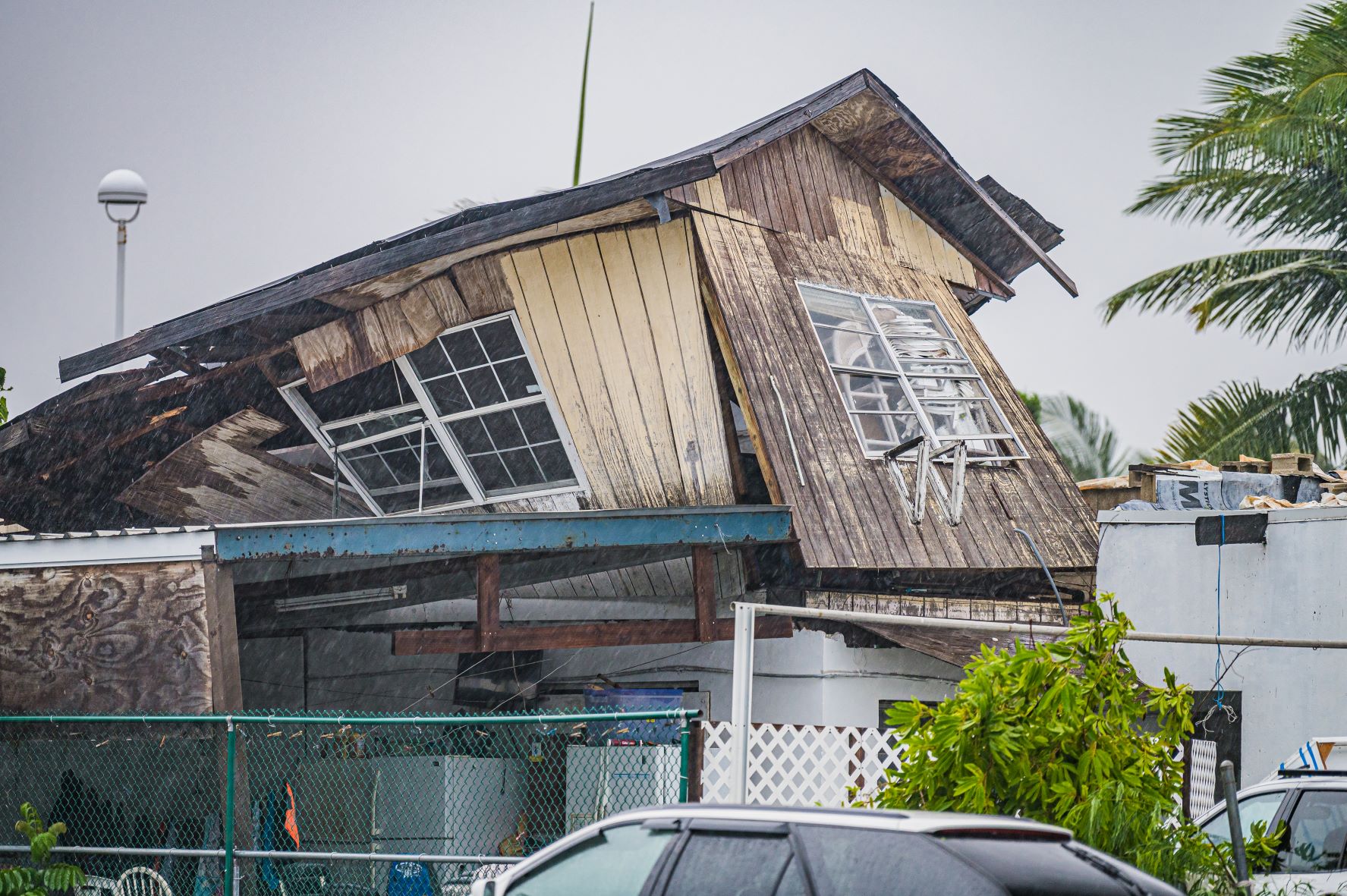
In addition to stockpiling supplies, more and more residents are finding costly home repairs to be a necessary part of storm preparations.
Keeping the roof on during a storm
In February 2022, 339 homes still needed repairs following the passage of Tropical Storm Grace, which lashed Grand Cayman the year before with hurricane-force gusts and caused flooding in low-lying areas.
Those homes were referred to Jan Gupta and her team at Resilience Cayman, which is helping vulnerable people prepare for hurricane season, who were able to repair 209 homes – leaving 130 homes with either roof or structural damage.
However, in September, Hurricane Ian compounded the issue, increasing the number of damaged homes to 175.
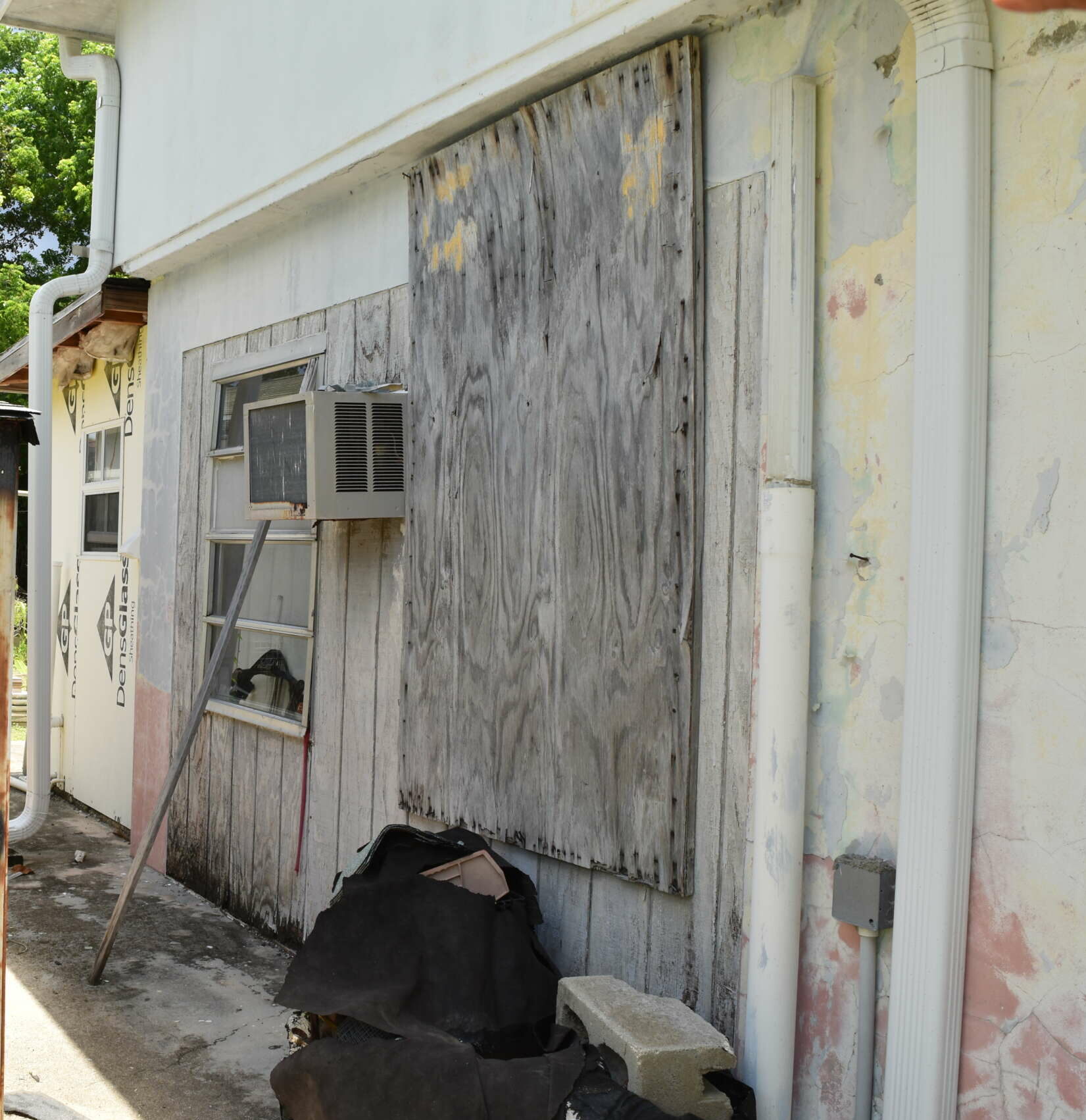
“Most people are struggling to gather supplies, so the thought of finding $5,000, $15,000 or even $20,000 for repairs to a roof, windows, doors or even a wall, is simply not an achievable goal,” Gupta told the Compass.
According to Gupta, the majority of the homes that were damaged during the 2022 Atlantic hurricane season were homes that had “legacy damage”.
“These are homes that prior to the passage of a storm, had extensive termite damage to the roofs,” said Gupta. “So, when a storm does strike, what you find is after a couple of shingles are lifted and a leak develops, the wind is able to cause significant damage to an already weakened structure.”
Since its inception, Resilience Cayman has received $1.5 million in government funding and an additional $500,000 from the R3 Cayman Foundation.
But even with a $2 million budget, Gupta and her team are swiftly finding themselves strapped for cash as more and more people reach out to them for assistance.
“These are people with genuine need, but the money we have has already been either earmarked for other projects or already spent, and we are doing the best we can to make sure we get value for every dollar the best we can,” said Gupta.
ARK is also assisting homeowners to become storm ready. According to Nielsen, ARK does two-to-three major renovations each year through its CASA programme – essentially rebuilding a house for a family in need. It is also involved in scores of smaller projects including patching roofs, flooring and installing functional bathrooms for some of the hardest hit families in Cayman.
But the waiting list of people in need runs into triple figures.
“For the people that we are working with, there is certainly no money left over to repair a roof or get new shutters for hurricane season,” she added, after funding the purchase of storm supplies.
Greater number of stronger storms expected
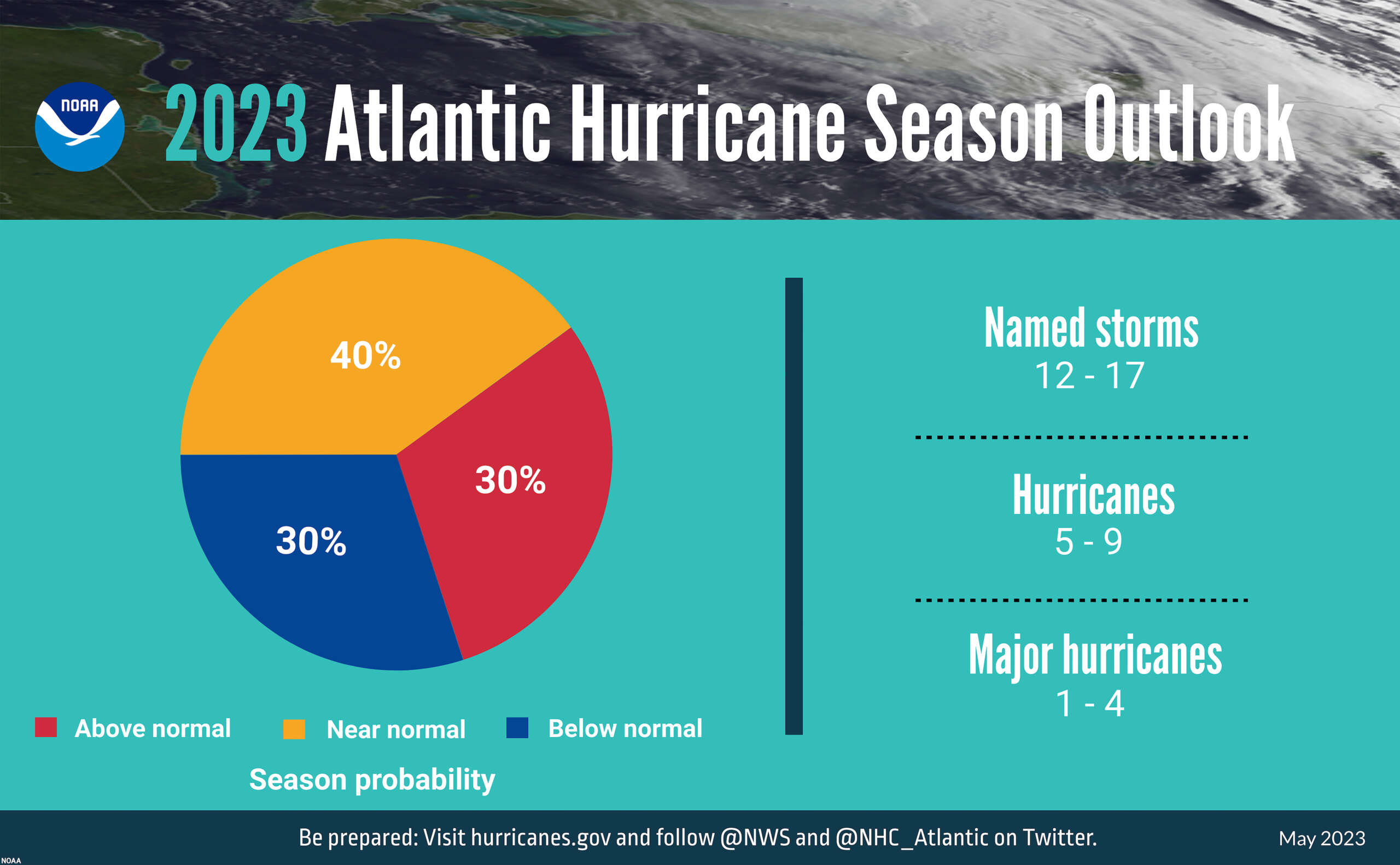
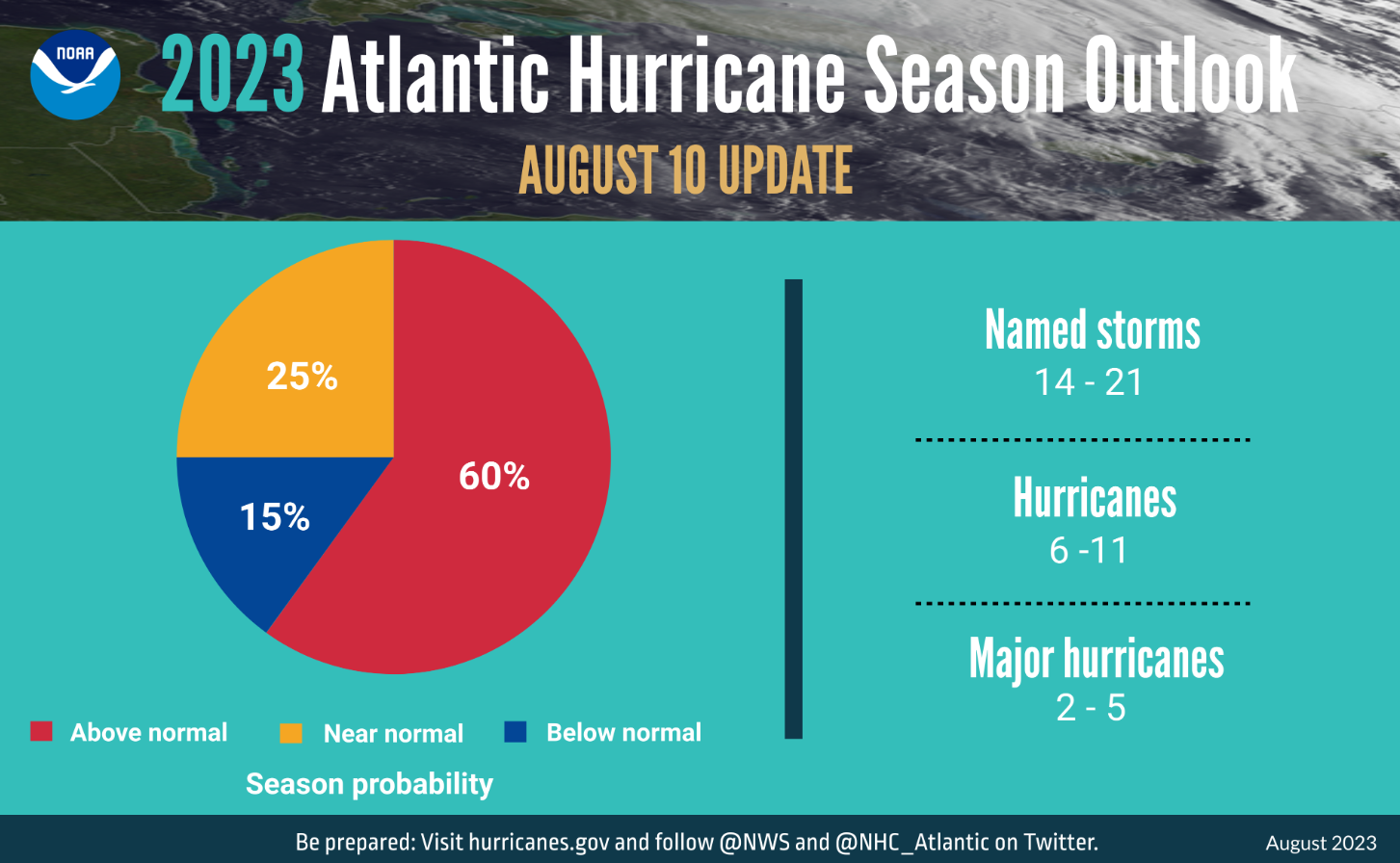
According to the US-based National Hurricane Center, the Atlantic hurricane basin is likely to experience a greater number of storms than previously anticipated, as noted in its mid-season hurricane prediction.
The new prediction, which is valid through the end of hurricane season on 30 Nov., calls for between 14 and 21 named storms with winds of 39 miles per hour or higher. Of those, six to 11 are expected to become hurricanes with winds of at least 74mph – of which two to six are expected to become major storms with winds of at least 111mph.
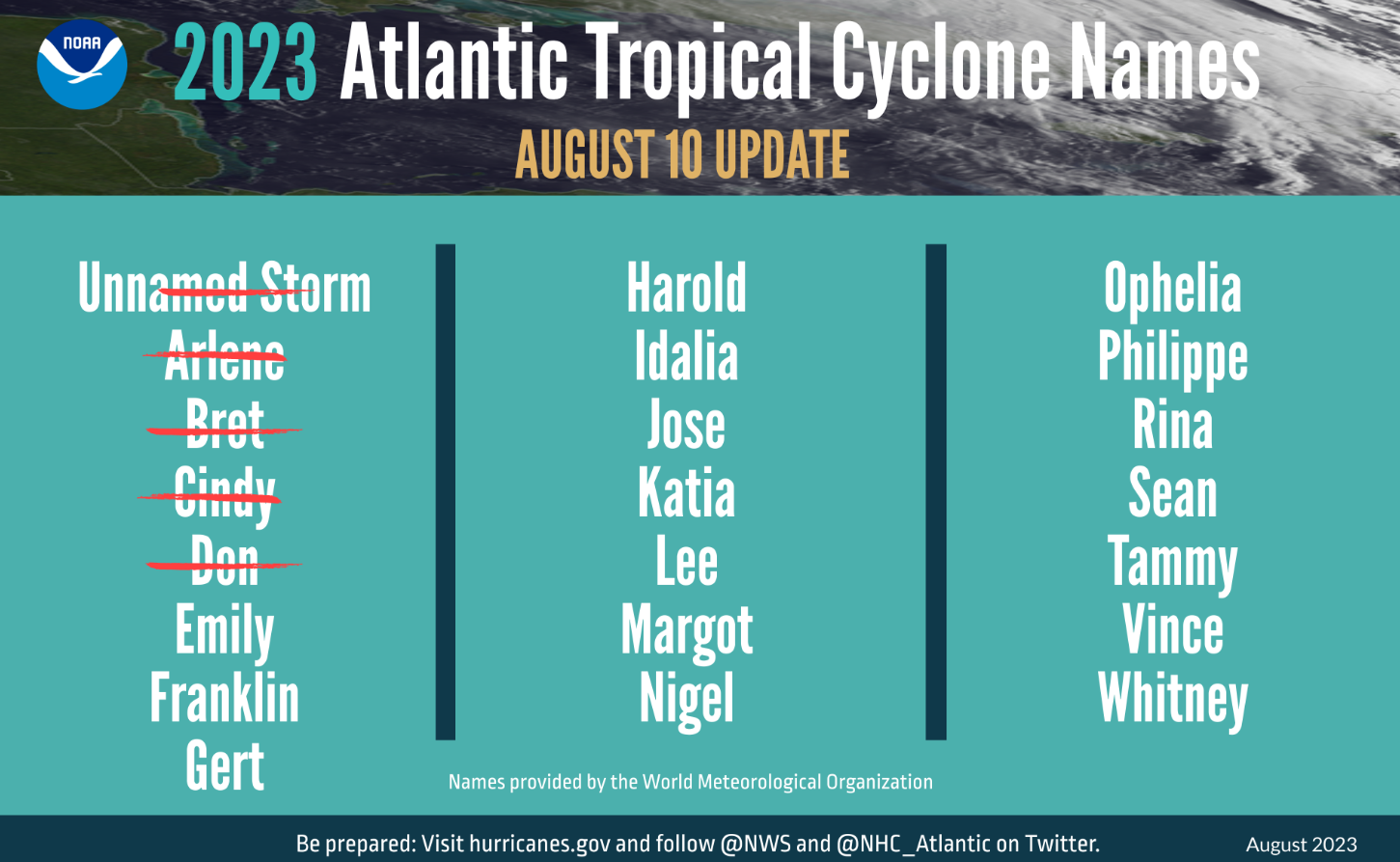
To date, the Atlantic hurricane basin has recorded five named storms. Ironically, the first named storm of the 2023 hurricane season was actually called an ‘unnamed storm’ which formed in January. Storms Arlene, Bret, Cindy and Don all formed after the official 1 June start – with Don becoming the first, and only, hurricane of the season.
Related Videos