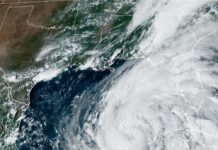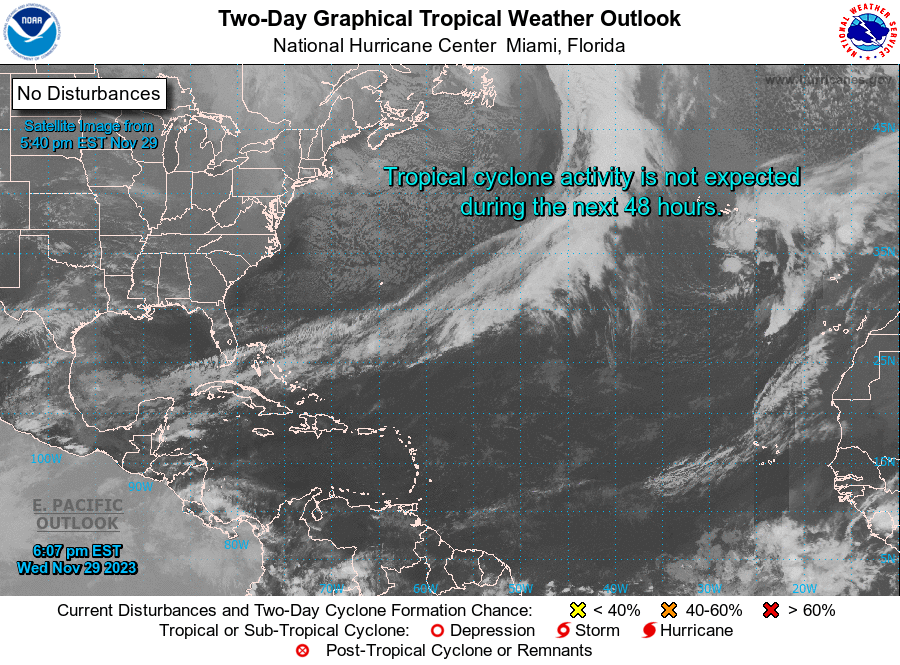
Residents in Cayman and across the wider Atlantic hurricane basin will be able to breathe a collective sigh of relief, with the official end of the annual hurricane season.
Although Cayman went largely unscathed, regional forecasters at the US-based National Hurricane Center say this has been the fourth most active El Niño Atlantic hurricane season on record.
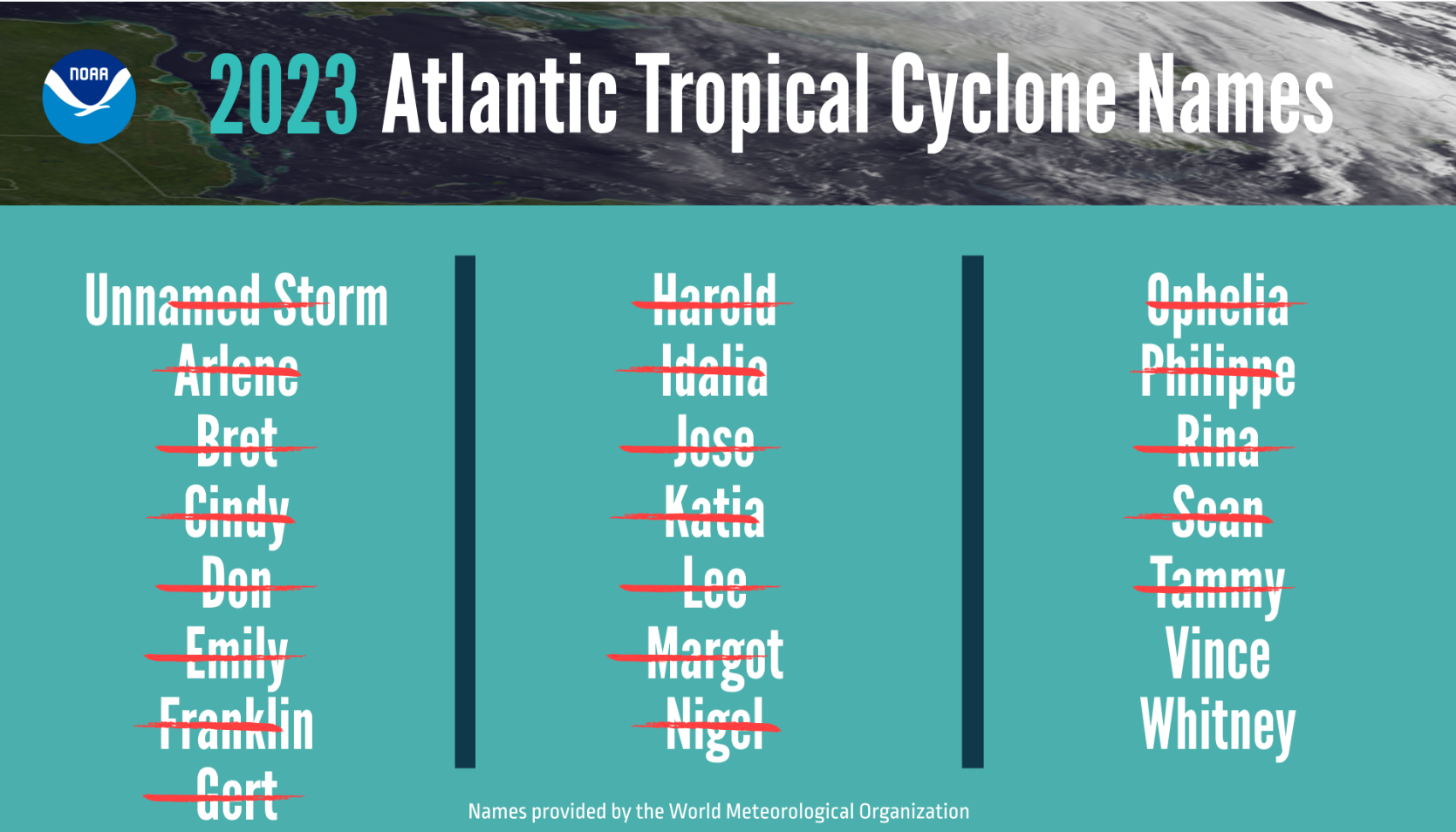
There were 20 named storms this season, seven of which became hurricanes with winds of at least 74 miles per hour, with three going on to become major hurricanes of Category 3 or higher, with winds of at least 111 mph.
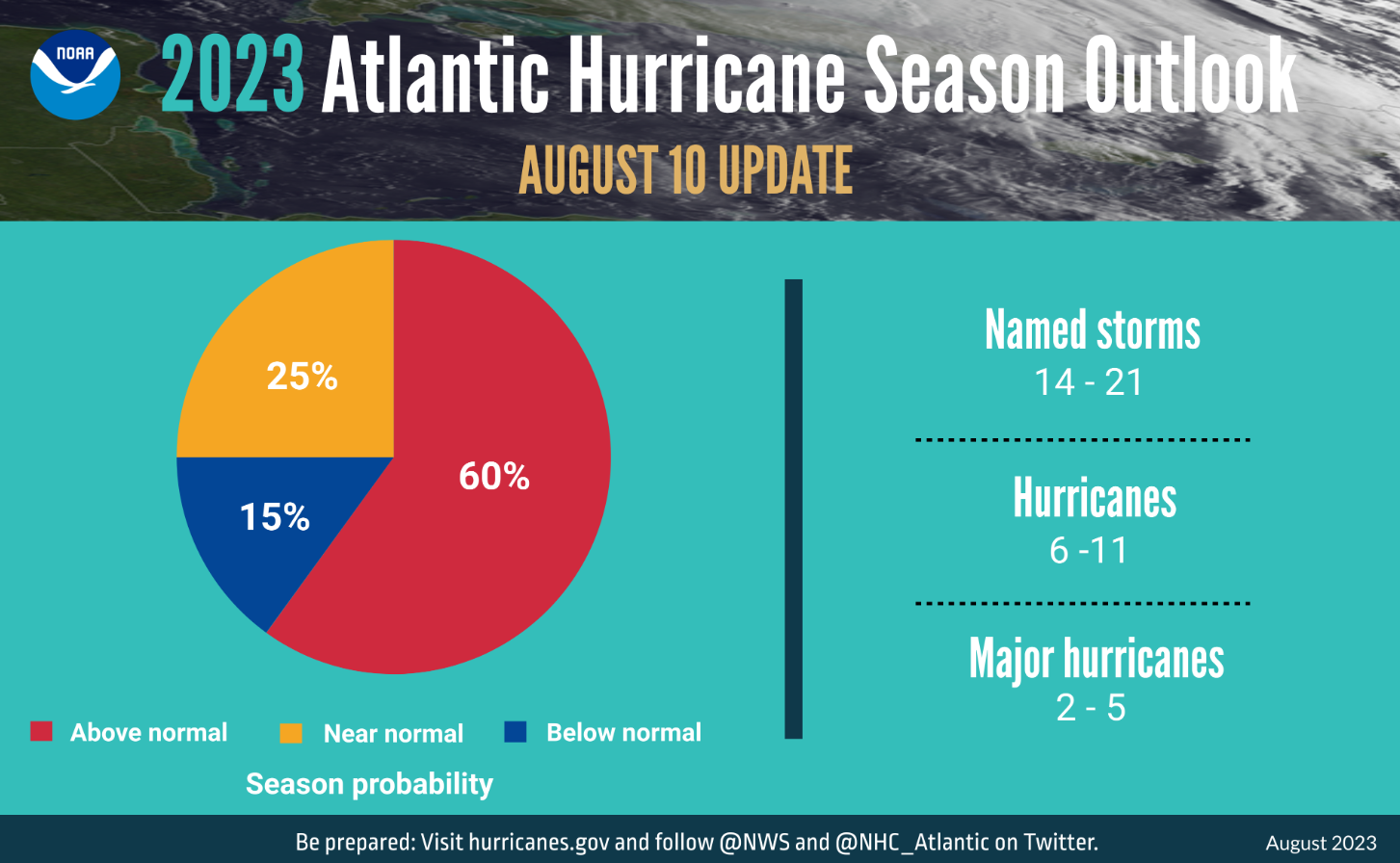
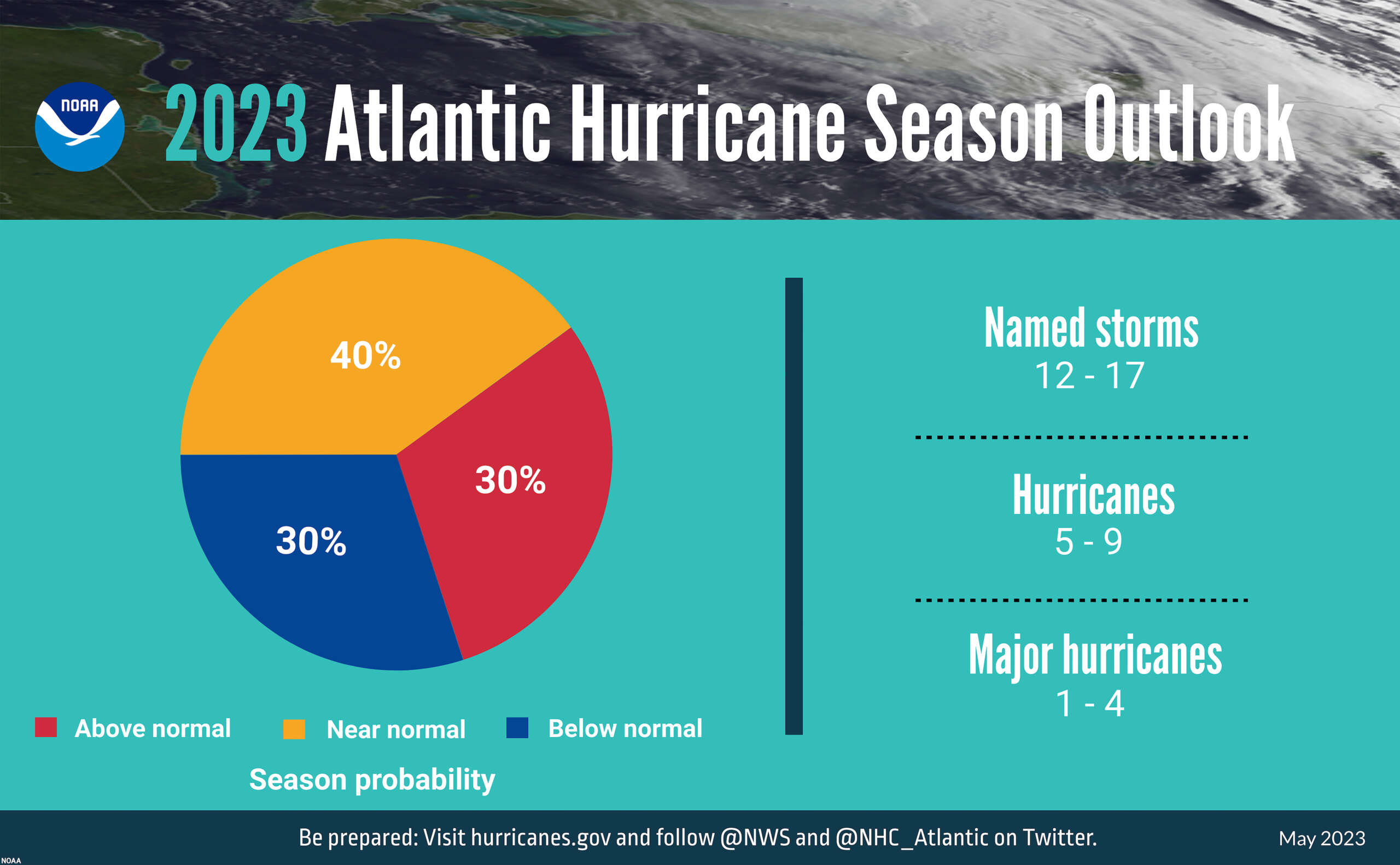
Initially, forecasters had predicted a below-average hurricane season, on the heels of a normal season in 2022. However, midway through the season, record sea surface temperatures forced them to re-evaluate their expectations.
“The Atlantic Basin produced the most named storms of any El Niño influenced year in the modern record,” said NHC’s lead hurricane forecaster Matthew Rosencrans.
Sweltering temperatures were felt throughout the Caribbean, with the heat index – or real feel – in the Cayman Islands reaching 105 degrees Fahrenheit in July.
One month later, forecasters went from a near-normal season of between 12 and 17 named storms and up to nine hurricanes, to predictions of 14 to 21 named storms, with six to 11 hurricanes – and the potential for two to six major storms.
Storm activity at a glance
In very unusual fashion, the 2023 hurricane season actually began in January, by way of an unnamed rogue storm. The remaining 19 storms all developed after the official 1 June start of the season, with Don becoming the first hurricane.
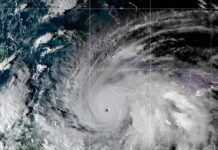
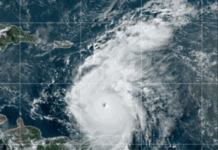
Of seven hurricanes, Franklin and Idalia became Category 4 storms while Hurricane Lee, the strongest of the systems, was recorded as a Category 5 storm with maximum sustained winds of 165mph.
Cayman came through largely unscathed, with Tropical Depression Twenty-One the closest system causing the most disturbance, which passed several hundred miles south of Cayman.
Related Videos