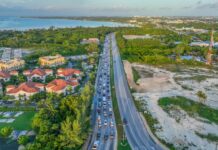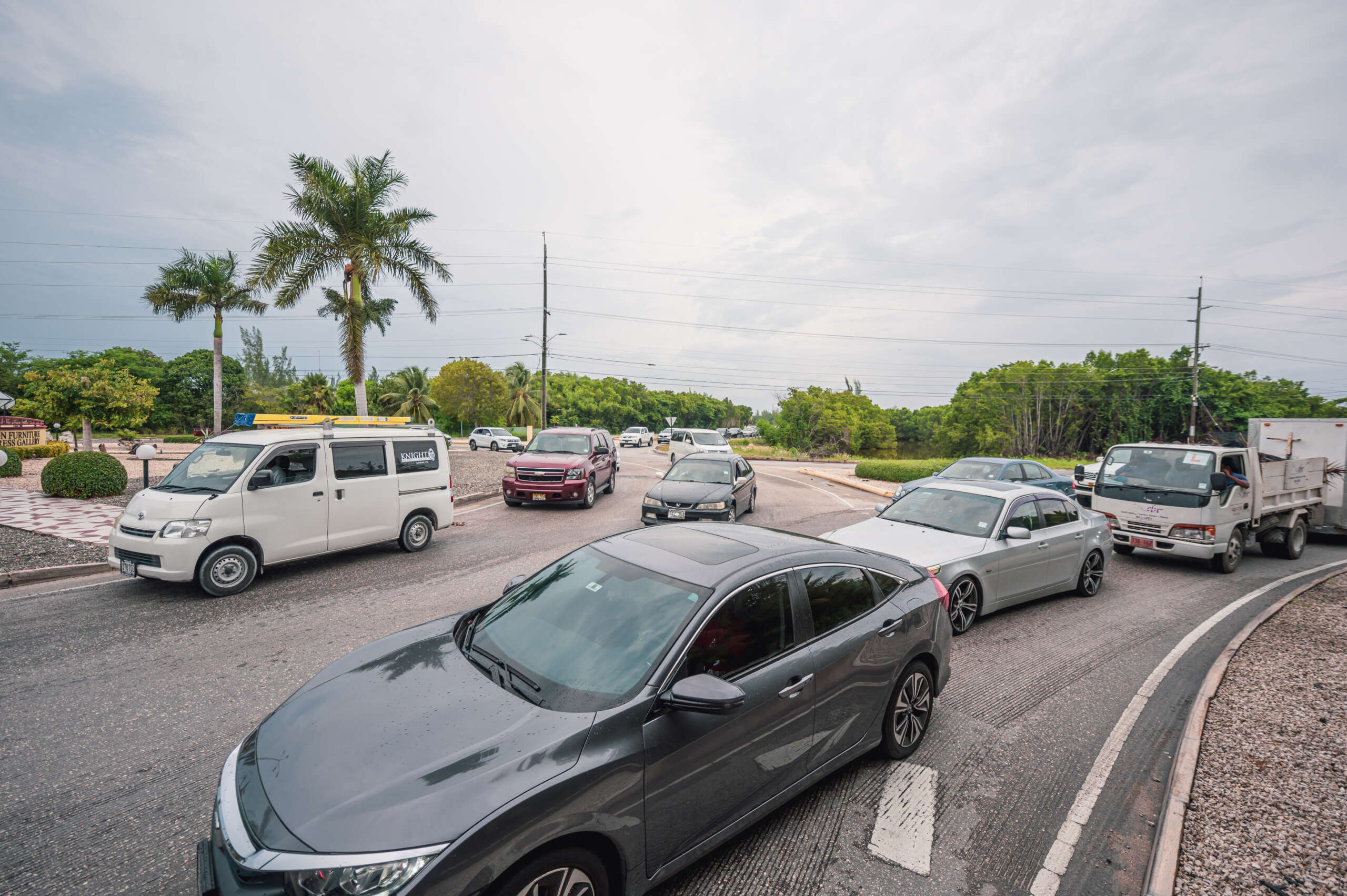
After a summer of relative quiet on the roads, gridlocked traffic is set to return with the start of the new school term.
Relatively swift journey times, in the absence of school traffic, have reignited debate about the greater use of buses for children during term time as a possible quick-win solution.
But the debate appears to have stalled and private school leaders who spoke to the Compass, said they had no current plans to introduce bus services. While they were not against the idea, they said it would require greater discussion with parents and financial support from government.
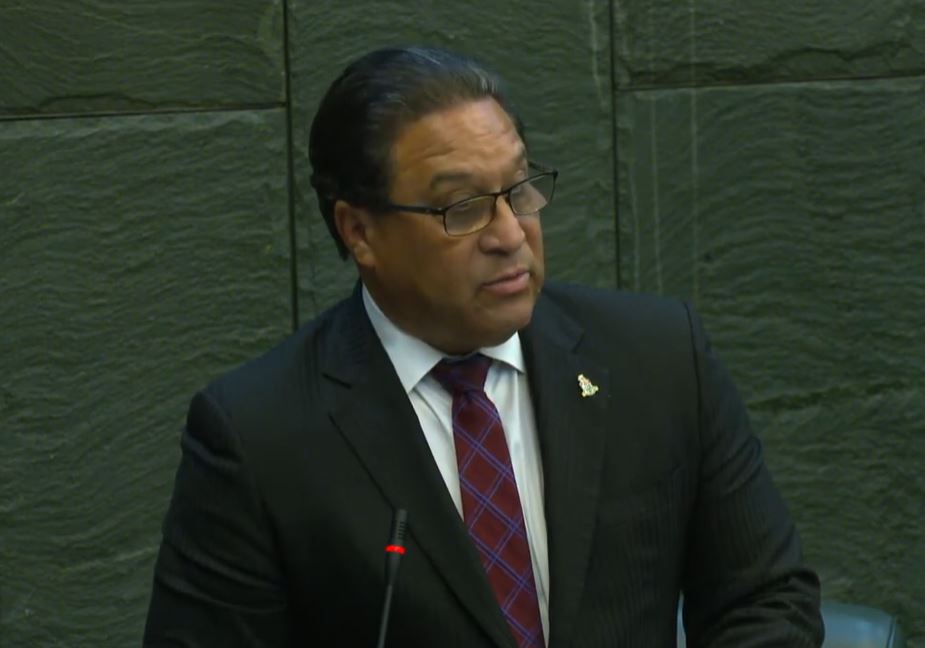
Legislators, in April, voted in support of a motion from Red Bay MP Sir Alden McLaughlin to mandate private schools to get buses, which he said would have a quick, positive impact on traffic congestion.
The motion suggested that duty concessions should be granted to private schools purchasing buses for transporting students.
However, it appears little progress has been made to bringing those recommendations to fruition for the start of this academic year.
Education Ministry Chief Officer Lynette Monteith told the Cayman Compass the ministry has “started the ground work”.
However, private school officials stopped short of promising to introduce bus services for their students, saying the buses may only be a temporary fix to a wider problem.
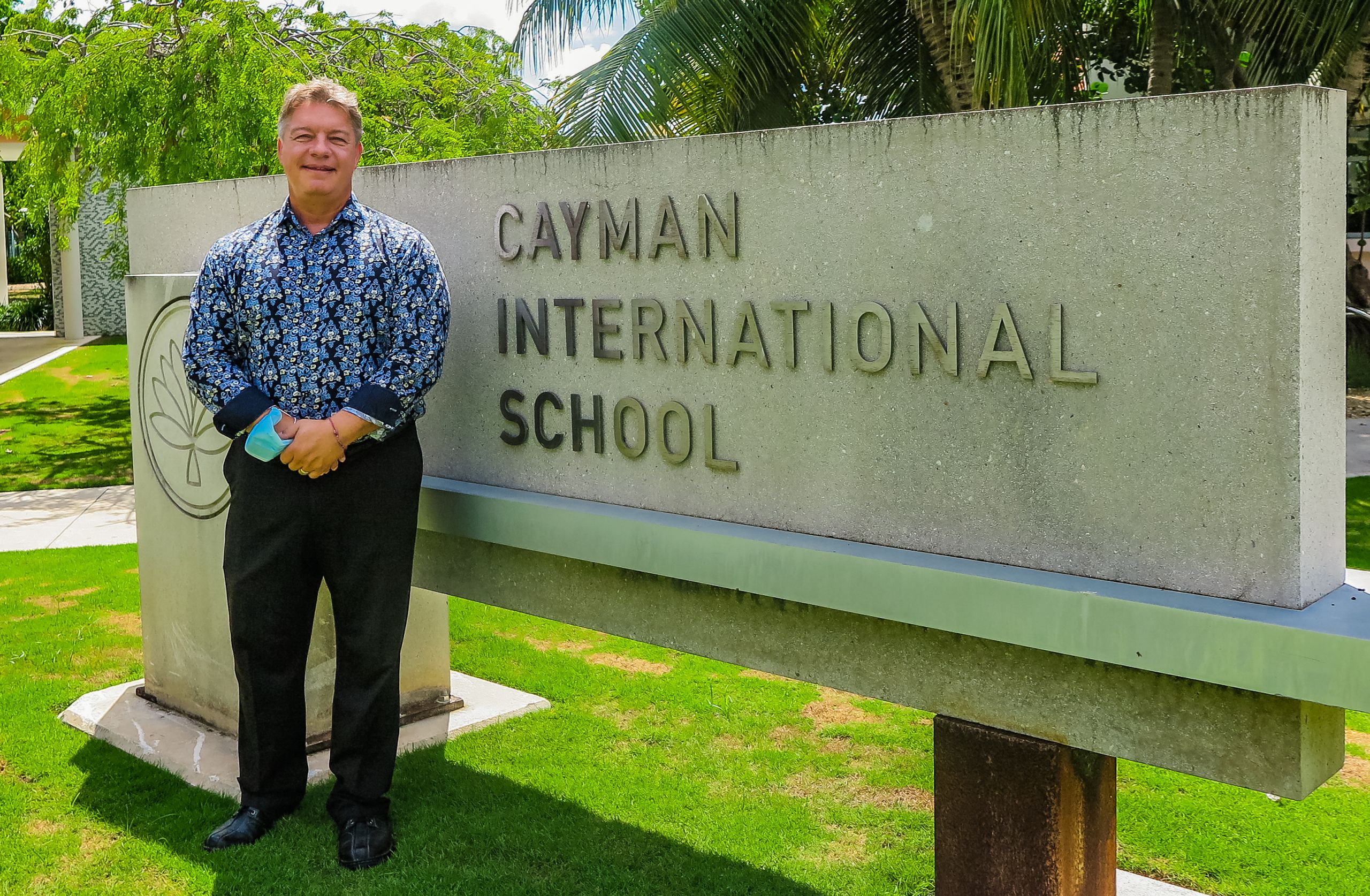
“Yes, this could help in alleviating some of the traffic pressures,” Jim Urquhart, Cayman International School director said.
“It would not be a panacea, noting the number of cars on the road with one driver and no passengers, as well as the number of apparent cars and physical size of the vehicles per household on island.
“These and other factors are significant contributors to traffic congestion.”
In May, Premier Wayne Panton noted that the number of cars on local roads was part of the problem, proposing a ban on importing pre-2016 vehicles as a traffic solution.
The importation restriction, he said then, was “aimed at reducing traffic congestion and at increasing the fuel efficiency, emission standards, and overall safety of vehicles on our roads”.
The impact of that ban on traffic is still to be felt as it applied to vehicles coming into Cayman, not to those already on the roads.
School buses only will not work
Jennifer Cowdroy, director at the new Island Primary School, at which classes will start on Friday, 1 Sept., said school buses “would definitely alleviate the problem, particularly on the Walkers Road area where so many schools are congregated”.
However, she said there must be coordination between the private schools and government for a cost-effective solution.

“Most private schools just don’t have the resources to provide this, so a public/private partnership would be the first step and I think allow the private schools to start the ball rolling.
“Partnering with the local bus providers would be a great step as well, as many have faced a drop-off in business with the cruise ship industry at lower levels than previous years, but these drivers would need training in child protection and first aid,” she said.
Cowdroy suggested that as a first step government should develop a survey in partnership with schools to send out to families to gauge interest.
“The survey needs to have specifics, though (cost, routes, times) so parents can make an informed decision on whether they would take it up,” she said.
Education Minister Juliana O’Connor-Connolly, speaking in Parliament in April, pointed out that previous negotiations with private schools to voluntarily use buses “did not go quite well” and were “vigorously” opposed.
Service will take discussion, support
While not opposed to a bus service, both Urquhart and Cowdroy contend finances and a proper system will require government intervention.
“To get a school bus service off the ground would entail a multi-faceted approach.
“For example, training for drivers and support staff to ensure safety, procurement of right-sized buses and regular maintenance schedules, nuanced changes to roads to ensure safe and reasonably spaced pick-up and drop-off locations,” Urquhart said.
Additionally, he said, it would require changes in family mindsets and noted that the majority of children have after-school activities which vary the students’ leaving times.
Families, he added, tend to drop children off on the way to work and the addition of bus services could potentially result in a situation where more vehicles might actually be on the road because children would be on a bus and their parents would still be using a vehicle to get to work.
“Some extensive trial runs would need to take place to gather more data on traffic flow and timing. Other green solutions, such as enhanced bike lanes, may be studied further too, considering cycling and walking is not only ‘greener’ it is less costly and comes with health benefits,” he said.
Urquhart added when considering buses as a method to mitigate congestion, it is also helpful to look further into the future and consider “more affordable housing options that are close to school areas, as well as having schools closer to residential areas rather than schools coalescing in the same areas”.
Both school administrators say they are not considering introducing a school bus for the new academic year.
Urquhart said CIS, as a solution, has increased the number of bike racks and “those biking to school (staff and students) appears to be on the rise – though students have only been on campus since August 23”.
In Cowdroy’s case, she said the Island Primary location at Buttonwood Park is along the newly expanded Linford Pierson Highway, and “with the future [National Roads Authority] plans we’re quite lucky where we are, but the traffic starts miles before folks reach the George Town area”.
She said the issue has been discussed quite a bit within her team, even if it’s a simple bus drop to a couple of locations such as Camana Bay and Grand Harbour.
“The tricky part is the insurance on the buses for liability is quite eye-watering.
“Many private schools have considered this; however, the sheer cost not only of the bus and driver, but liability insurance and logistics of staffing have held most back. If the school provides the service there is an added consideration of also providing staff trained in child protection on board, as the children are still in the care of the school whilst on the bus,” she said.
While there have been some improvements to the road networks during the summer break, work on the expansion to the East-West Arterial, which has been promoted as a way to deal with traffic congestion, is still in the environmental impact assessment stage.
Related Videos