

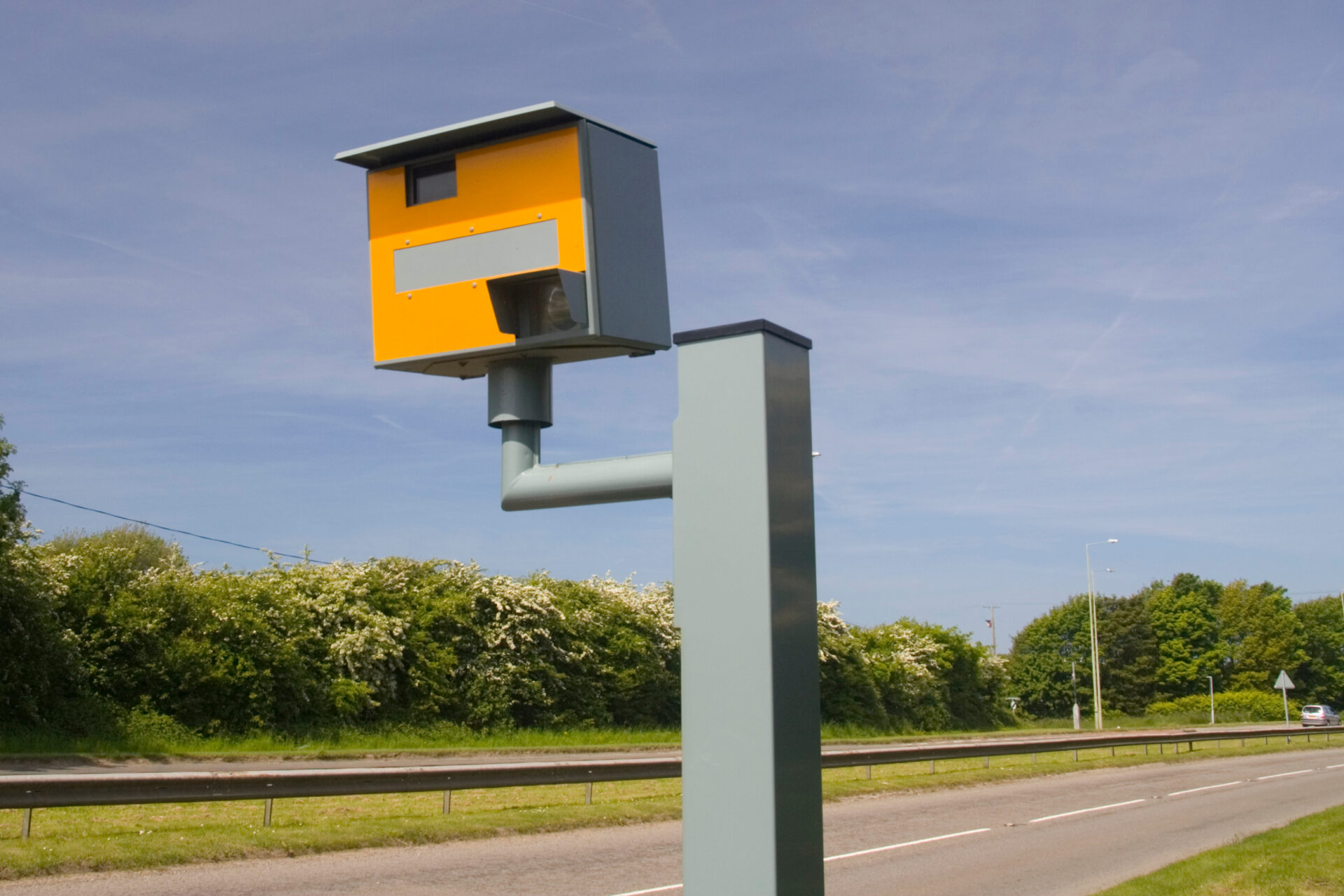
Government has taken the next step towards speed cameras and demerit points for traffic offences by seeking consultants to help implement a new Integrated Traffic Management and Enforcement System for the Cayman Islands.
A Request for Proposal has been issued by the Ministry of Planning, Lands, Agriculture, Housing & Infrastructure on behalf of the National Road Safety Committee for specialist consultancy support to design and help implement the system.
This will include developing the technical, legal and operational framework for the system including automated enforcement for speeding and other traffic violations, as well as wider traffic management functions, to be delivered in phases.
The work forms part of the government’s long-term National Road Safety Strategy 2023–2038, which aims to reduce deaths and serious injuries on Cayman’s roads and support the broader “Road to Zero” vision.
Eric Bush, chief officer for the Ministry of Planning, Lands, Agriculture, Housing & Infrastructure and chair of the road safety committee, said the move marked an important step in modernising how Cayman manages road safety and compliance.
“This is about building a safer, more modern and more accountable road network,” he said. “[This] is not about switching on cameras overnight. It is about bringing in specialist expertise to help us design the right system for Cayman, with clear legal frameworks, strong governance and a focus on reducing serious collisions, not generating revenue.”
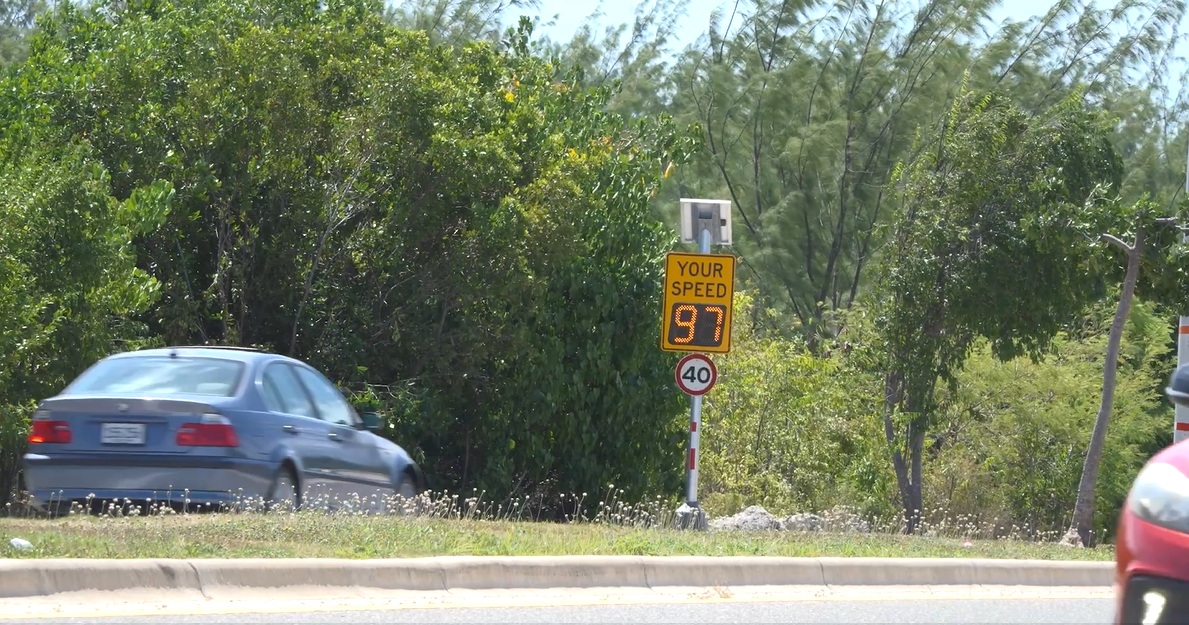
The consultancy team will be asked to work with several agencies, including the Ministry of Planning, Lands, Agriculture, Housing & Infrastructure, the National Roads Authority, the Royal Cayman Islands Police Service, the Department of Vehicle and Drivers’ Licensing, the courts and the national CCTV programme. The work will include developing the overall system design and standards, supporting the business case and procurement approach, and preparing tender-ready materials for future implementation phases.
“We want to ensure that any automated enforcement and traffic management system introduced in the Cayman Islands is fair, transparent and data-driven,” Bush added. “This is the first step in that process, and it will help us make informed decisions about where, when and how technology is deployed to improve safety and compliance on our roads.”
Budget for road safety
Bush had a few weeks earlier spoken to the Compass about how new technology could work.
“I think it’s safe to say that the government supports additional enhancements for the policing of our roads,” he said. “In 2026 and 2027 they have given us $3 million for road safety initiatives, which include speed cameras [and] and road safety cameras.”
He added, “The technology has advanced now where we can buy a solution that actively polices speed, but also the way and the manner in which people drive [such as] changing lanes without signalling, whether the vehicle is insured, whether the vehicle licence is up to date, whether the vehicle inspection is up to date.”
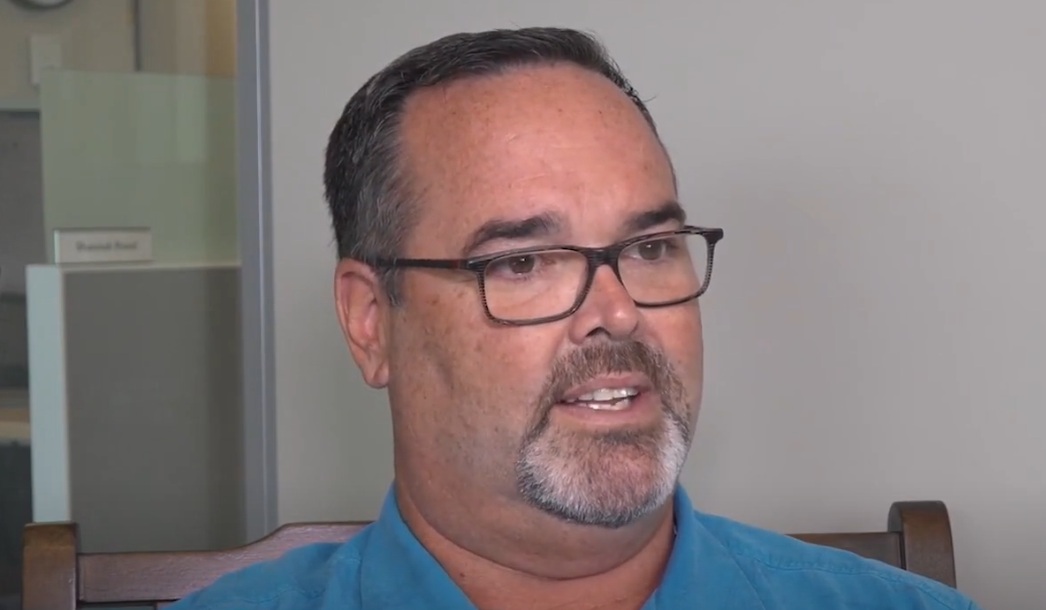
He said that regulations are being planned to introduce a points system for traffic violations, explaining, “Right now, an individual can literally get a speeding ticket every month for a year, 12 speeding tickets for the year, and as long as they pay the tickets, don’t contest them, don’t take them to court, they’re good, there’s nothing else. Now in other jurisdictions, they recognise that we need to hold people accountable beyond just the tickets and the points system recognises that.”
All drivers would start with zero points, but would build up points with every traffic violation, so, depending on what limits are set, accumulating a certain amount of points in a certain time period could mean people lose their licence for a period of time. In the UK, for example, acquiring 12 points in a three-year period typically leads to an automatic six-month driving ban, or longer for repeat offenders.
Bush said that the success of the Winter Guardian campaign in December showed the extent of Cayman’s driving problem.
“I think seeing the amount of violations identified … it just continues to enhance the awareness of the community that we still have an issue,” he said. “What I would love that to translate into is, we have an issue, not the National Road Safety Committee, not the police, not the government. We in the Cayman Islands have an issue, and only it’s only we in the Cayman Islands that can fix this issue, together.”
Related Videos











These measures are long long overdue and far as I’m concerned nobody shouldnt be able to have 12 speeding tickets for the year after 2 tickets they should go before the court and be banned . IF all the features that these speed cameras have and they function properly I’m sure they will be a lot of people caught infringing. I must say a lot of careless drivers and a lot of idiotic ones need to be removed from driving on Cayman roads and don’t let them accumulate points .
Let’s get these cameras installed Mr. Bush quicker the better.
Long long overdue. ASAP please.
Should be titled: New tax in a tax free island, speed cameras.
The gov sure ain’t selling me a service
Does this indicate you are a regulars speeder?.
Cameras. Amen long overdue. Driving in Cayman, you take your life in your hands, or I should say, someone else’s hands. Do it sooner than later
Excellent news. I mean that we have some roads not so clogged up we can actually “speed” on.
My average speed on Island roads is 18 kph.
Meanwhile back in Toronto:
https://globalnews.ca/news/11526580/speed-camera-ban-comes-into-effect/
Why has it taken Govt decades to proceed with speed cameras when speeding has been such a major problem in Cayman!, with such an obvious remedy. This is a classic example of a reactive rather than proactive approach. Given that the consultants will need to liaise with at least eight Govt agencies, possibly more, I can see it may well take a few more years before this much needed programme is fully in place.
It takes forever for government to progress with necessary measures, because the body doesn’t feel it important enough, and would rather spend the money on superfluous items. They don’t consider safety utmost, or lives lost as important. Don’t forget the money spent on consultants can eat away the projected budget for cameras. You are correct, by the time this project is implemented, if at all, cameras will be antiquated. Look how long the debate on new cruise piers took. And then new piers were history. Light a fire under their………..
Speed cameras don’t work in Europe, because people just brake for the camera then speed up after. Within a month everyone knows where the cameras are and they get market on Wayz and Google Maps. I read a great opinion piece recently calling for sensible speed limits. You get general compliance with speed limits when the limits make sense to the people. We have 3 lane freeways here with 40mph limits. That doesn’t make sense with modern automobiles and a Country in a hurry.
There are some cameras in the UK that rake in tens of thousands of pounds a month. The system can be programmed to calculate average speed over a given lenghth of road with a series of cameras. The whole point of speed cameras is that they reduce speeding and raise revenue, to say they don’t work in Europe is nonsense. This country needs a firm deterrent as right now speeding is completely out of control.