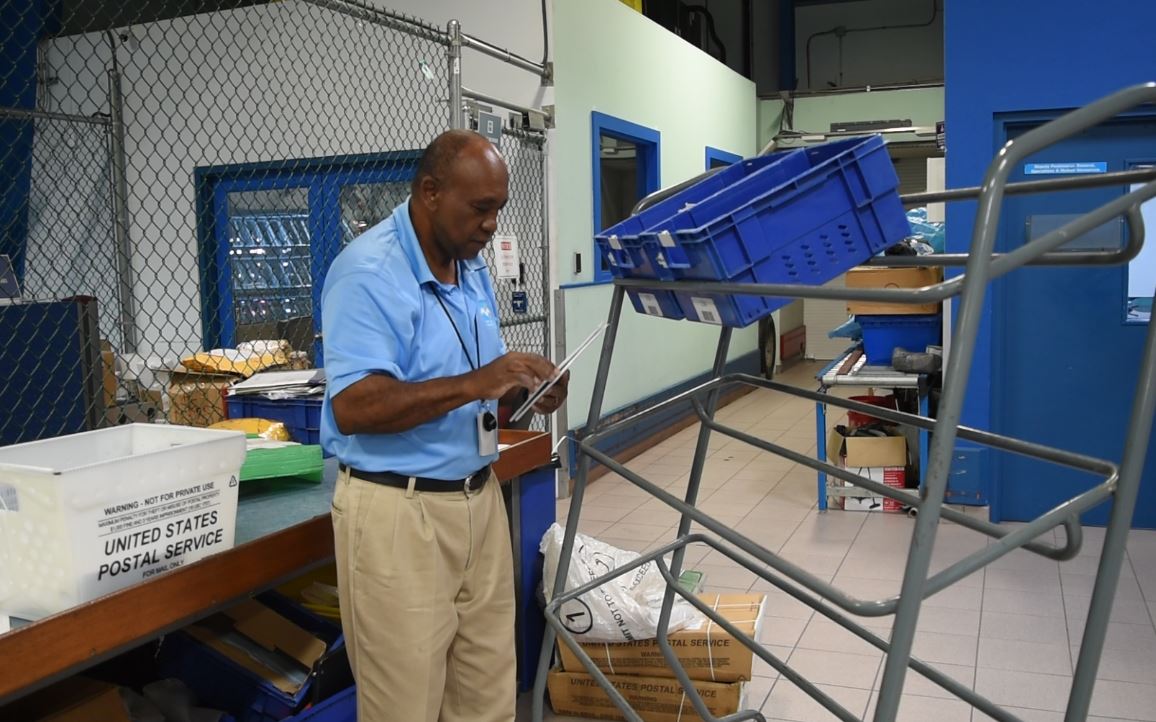
Cayman’s postal service and Customs and Border Control are working closely together to clamp down on would-be smugglers looking to abuse the local mail system to import illicit narcotics.
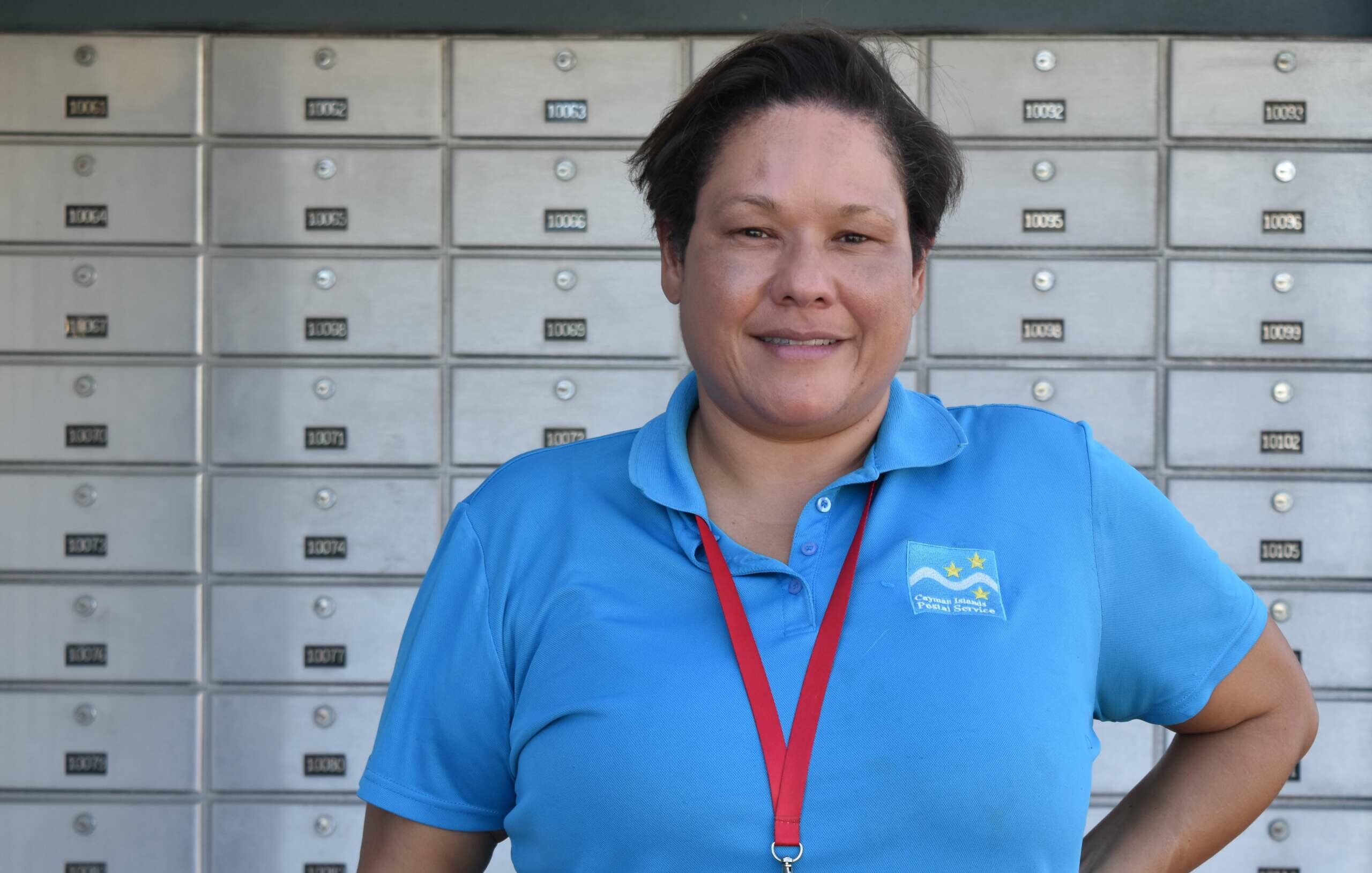
Deputy Postmaster General Melissa Martinez-Ebanks says internal processes at the post office have been improved to enable it to seize any illegal imports or exports.
“We do have quite a robust process in place to work with CBC to ensure that items are legitimate items that are being imported and to stop those that are not,” she said.
Fentanyl safety
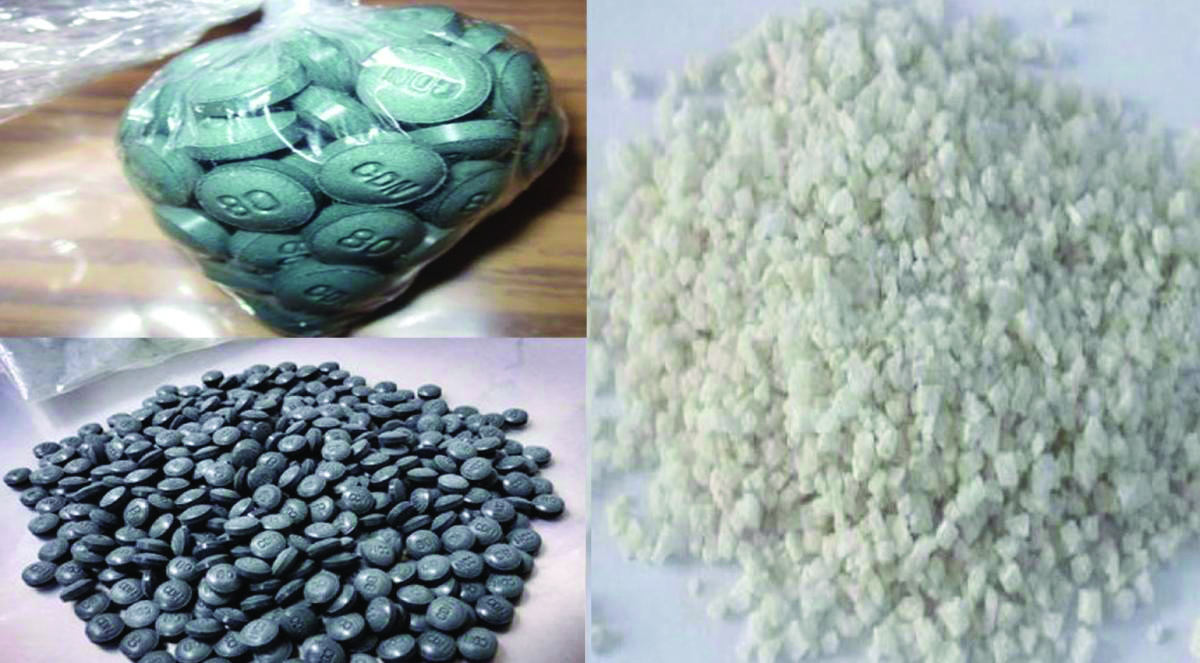
These changes come on the heels of attempts last year in which three individuals sought to mail 200 fentanyl tablets concealed in an incoming package at the Airport Post Office.
Martinez-Ebanks said since the detection of fentanyl in the post, her team has been trained and equipped to respond in the event of an accidental overdose.
“Our facility is equipped with Narcan and our officers know where that is and how to administer it,” she said.
Data from the US Centers for Disease Control and Prevention pointed to 71,238 fentanyl overdose deaths in the US in 2021.
Users and handlers of fentanyl have been known to experience symptoms such as haemorrhaging, severe physical pain and organ failure which often lead to death, which is why it was important staff at the post office as well as CBC officers are trained in handling the narcotic.
Cayman’s postal service, Martinez-Ebanks said, is one of five regional posts that are certified to the International Postal Security Standard.
Cayman achieved this standard last year after going through process checks and having auditors verify the local postal service processes meet the security standards.
“One of the things that our customers would see is that we don’t do paper declarations on our counters anymore. You can’t walk in and just fill out a form and stick it to your item. Everything has to be done by an electronic declaration, and that is a big part of the security process, not just for us, but for our partners,” she said.
Martinez-Ebanks said the data is exchanged electronically with all the postal service partners as part of the risk-management process.
“Electronic data is a big part of how we do a lot of the assessments and work with CBC. For customers who are sending items out, there is an app so that they can install it on their mobile phone and they can do their declarations there, or you can do it on the website or [at] the kiosk. We prefer the app because it allows you to save data,” she said.
The postal service, she said, is continually enhancing the risk-management process, together with CBC, to protect local borders.
“It’s a good relationship. We are very fortunate. We have a working relationship with CBC and they work with us, they partner with us. We use the tools we have,” she said.
Faecal matter
Martinez-Ebanks said over the years there have been instances of abuse of the local postal service, in some case at the risk of the health and safety of her team.
She said the staff has seen some “very strange things” in the mail.
She pointed to an instance where faecal matter was shipped in the mail through an Eastern European company that transacted that type of business.
“So, if you wanted to send a nasty message to someone, [you] would send a Tupperware container with faecal matter and a message expressing your dissatisfaction or unhappiness with something… [A]s you can imagine, that is not the pleasant smell to have coming in the mail. Many, many years ago when I first started, we had dead chickens [in the mail],” she said.
She pointed to instances where customers posted glass items which broke in transit and posed a risk of injury to those handling mail.

There are some instances, she believes, where the public doesn’t consider the package contents to be dangerous.
“We had an instance of a grandmother who mailed four jars of homemade blueberry jam to her grandson. The jars broke and at that point when you have this blueberry jam leaking all over the mail, you don’t know whether it’s jam or blood. So we would ask customers to be mindful of what they’re sending and make sure that it is properly packaged,” she said.
Martinez-Ebanks said her biggest pet peeve is that people do not take into account that the postal service is run by people.
“We handle packages and we are conscious of the fact that we don’t know what’s in there and we shouldn’t know what’s in there. But I would ask senders to be mindful of the fact that it is people handling these [items],” she said.
Martinez-Ebanks said discussions on further changes to enhance the security of the local mail service is in the works and she advised would-be smugglers to think again if they are looking to abuse Cayman’s postal service for illicit means.
“To those who would use the postal service to try to import illicit items I would say it’s not in your interest to do so. We are actually more complex than most people realise and we do have a robust process in place,” she said.
She said the postal service team can identify when somebody is testing them.
“Our process allows us to make the adjustments that we need… We have a very good security manager who works with his international counterparts quite well. So security is about our partnerships and we have strong partnerships,” she added.
Related Videos