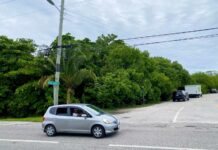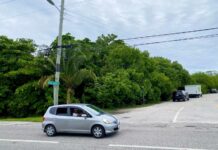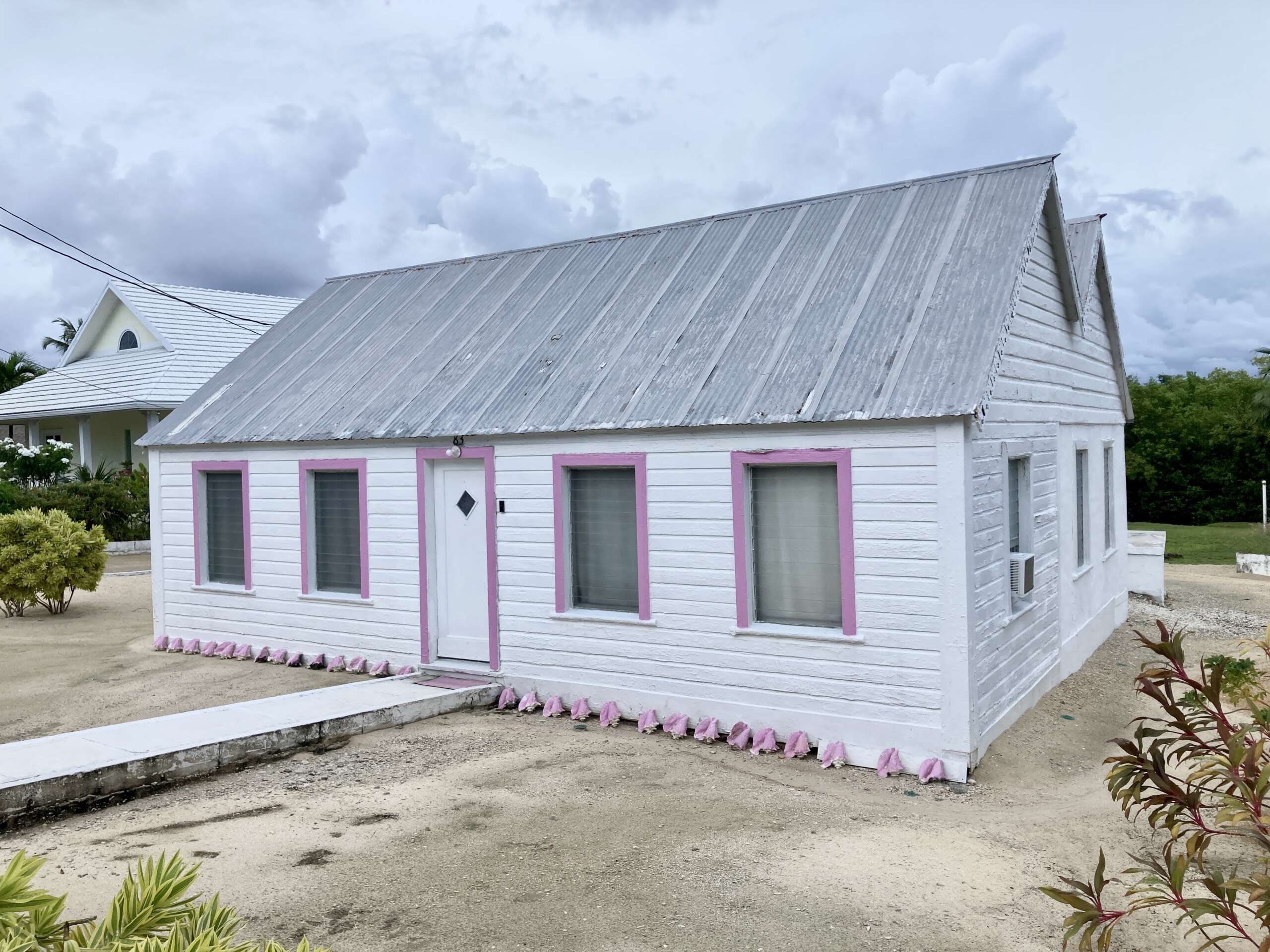
The owners of a traditional wooden Caymanian house on Boggy Sand Road in West Bay have offered to donate it to the National Trust so it can be restored and maintained.
Adrian and Orlee Ebanks have said the historic home is termite-, snake- and rodent-infested with significant roof, floor and wall damage, and it is beyond their scope to repair it.
The offer comes after the pair submitted a proposal to the Central Planning Authority last year to build a $780,000 two-storey duplex on the 0.29-acre site.
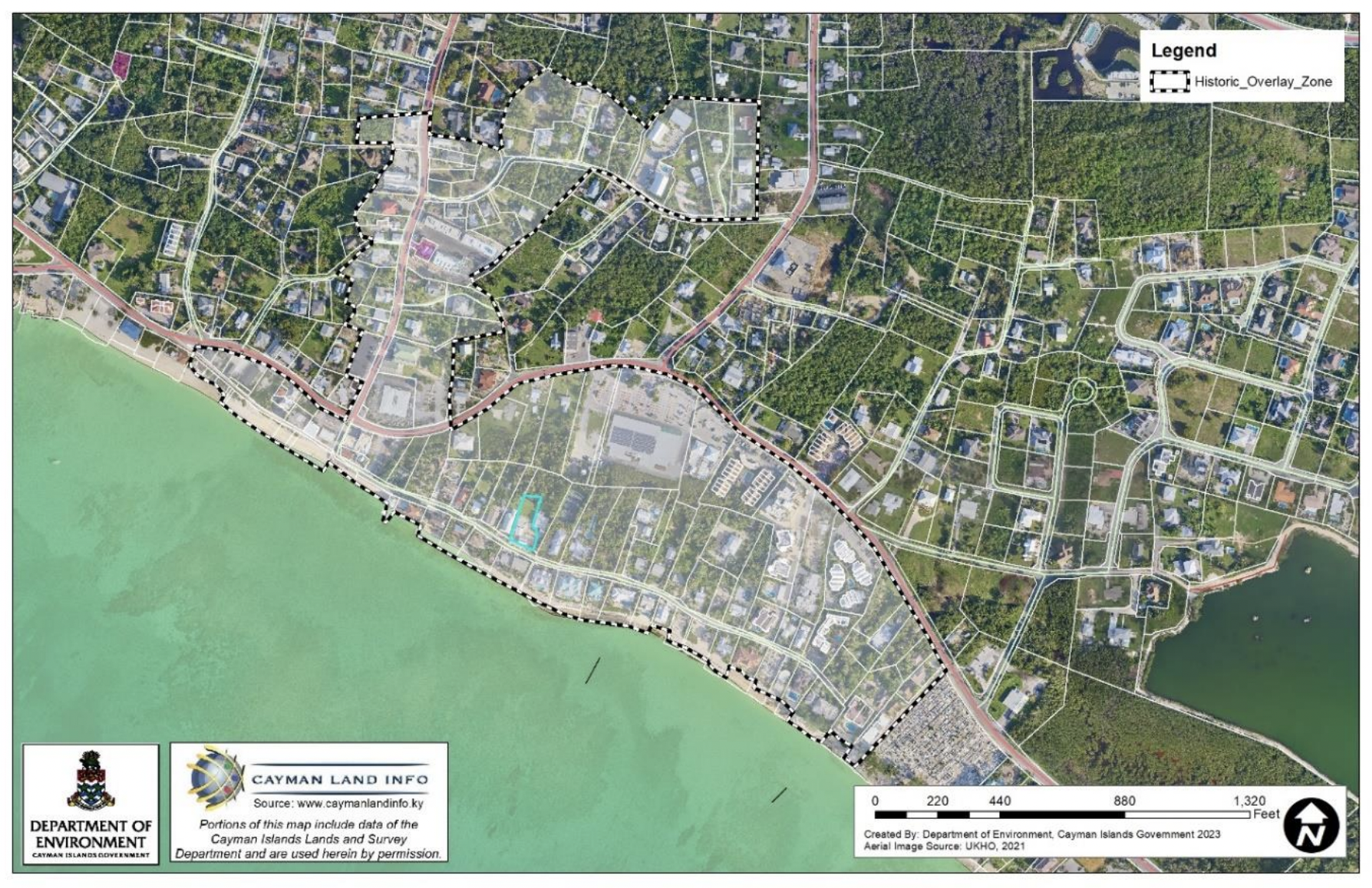
In its analysis of the application, the Department of Environment expressed concerns about the existing property, which sits in a ‘historic overlay zone’, being demolished.
“The historic house should be preserved for the benefit of the community and the cultural heritage of the area,” the department wrote at the time.
If the plan is eventually approved, the house will be taken to a site at Pedro St. James.
A huge expense
Permission was previously granted on the site for a new house back in March 2004 – but no building work was carried out in the years following.
The latest application went before the planning board on 30 Aug., last year, then again on 8 Nov., each time adjourned to allow more consideration of the historical implications.
It appeared before the board again on 13 Dec. when members sent it to the National Conservation Council for review due to a potential adverse effect on sea turtle habitats.
Adrian Ebanks, who attended the meeting on behalf of the owners, said when they bought the land it was zoned ‘low density residential’. A ‘historic overlay zone’ was not mentioned.
He explained that they have been spending $7,000-8,000 a year to maintain the building which is made of ironwood stilts and shiplap timber, with a zinc roof, the minutes said.
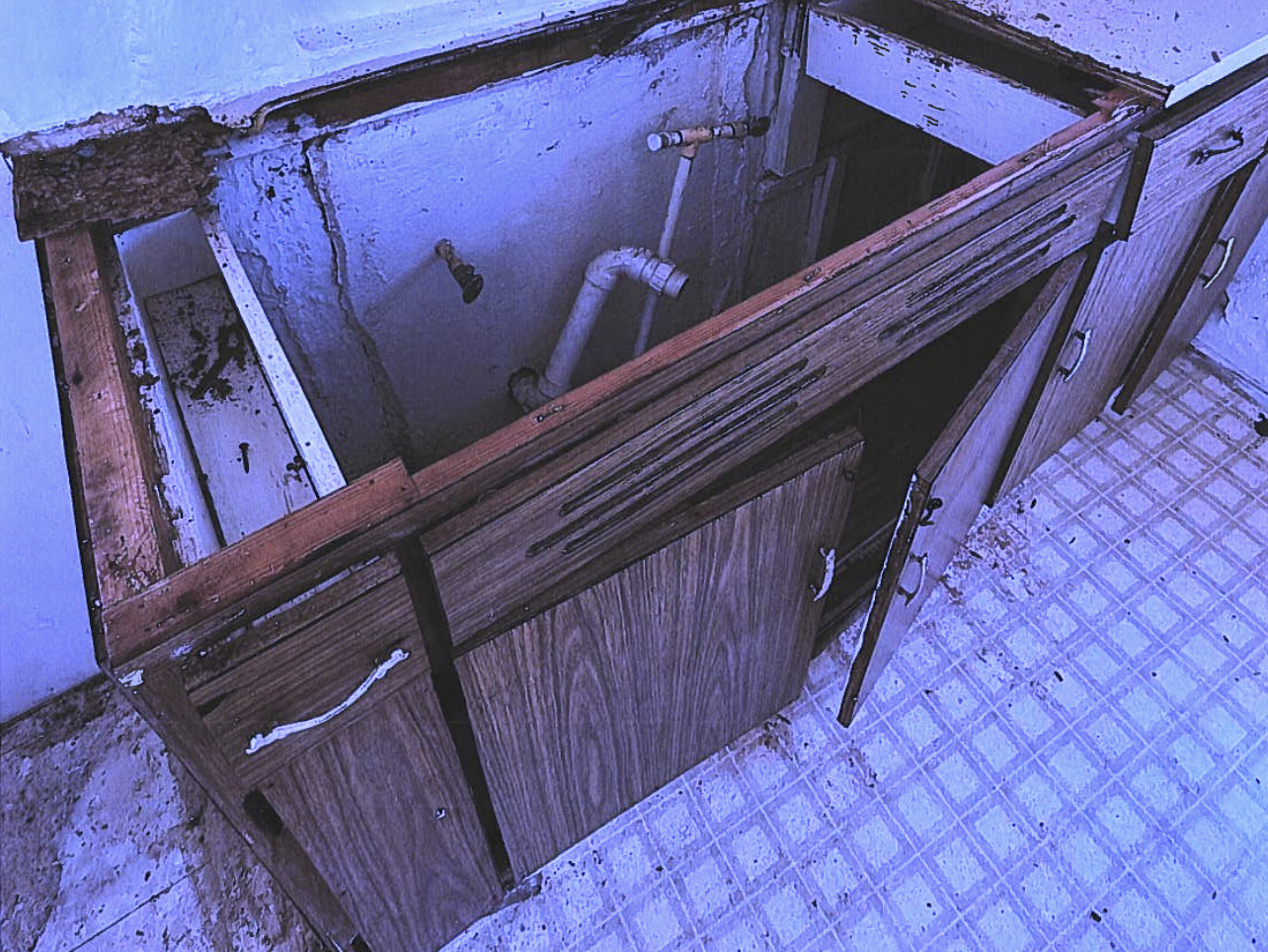
In a letter, Orlee Ebanks, who was unable to attend the meeting, said they bought the property in 1999 “for a substantial amount for a young couple back in those days”.
“However, like many young Caymanians, we decided to purchase the property because we wanted to make an investment for our futures and for the benefit of our children.”
During the meeting, Stuart Wilson of the National Trust told the authority he would prefer the house to remain in situ, but supports its relocation for conservation purposes.
He said the trust wants to assist in moving the house to Pedro St. James and help with its preservation.
Historic zoning
The environment department, under delegated authority from the National Conservation Council, reviewed the Ebanks’ planning application in July 2023.
The traditional Caymanian house is listed on the heritage register of the National Trust as ‘Herbert Parson’s House’, the department said.
The date of construction is not known, although it appears to long pre-date any available aerial imagery for the area, and it is within a ‘historic overlay zone’, it added.
Development and Planning Regulations 2022 say in this zone, the authority must promote and encourage preservation of historic buildings and conserve their architectural heritage.
On considering applications for development in these zones, they must also ensure the builds reflect the historic pattern of development in their setting.
They should conform to traditional workmanship, design, scale, massing, form, materials, decoration, colour and methods of construction, and location of windows and doors.
“Heritage is finite, and to demolish this historic house for construction of the proposed duplex would be in direct contradiction to the intent and aims of the historic overlay zone,” the department said.
In the latest minutes, the planning authority “respectfully” requested the environment department not to offer views on matters that fall under the authority’s remit.
Related Videos