Even though 2023 ended with 37 total confirmed cases of dengue, that mosquito-borne illness is not endemic in the Cayman Islands, Chief Medical Officer Dr. Nick Gent has confirmed.

“One-third of these cases were infections imported into the Cayman Islands by travellers around the Caribbean region, and two-thirds from limited local transmission from imported cases,” Gent said in an emailed response to the Cayman Compass on the situation.
He said of the 37 cases of dengue fever confirmed in 2023, the last case occurred in mid-December.
“No cases of dengue have so far been confirmed in 2024,” he said.
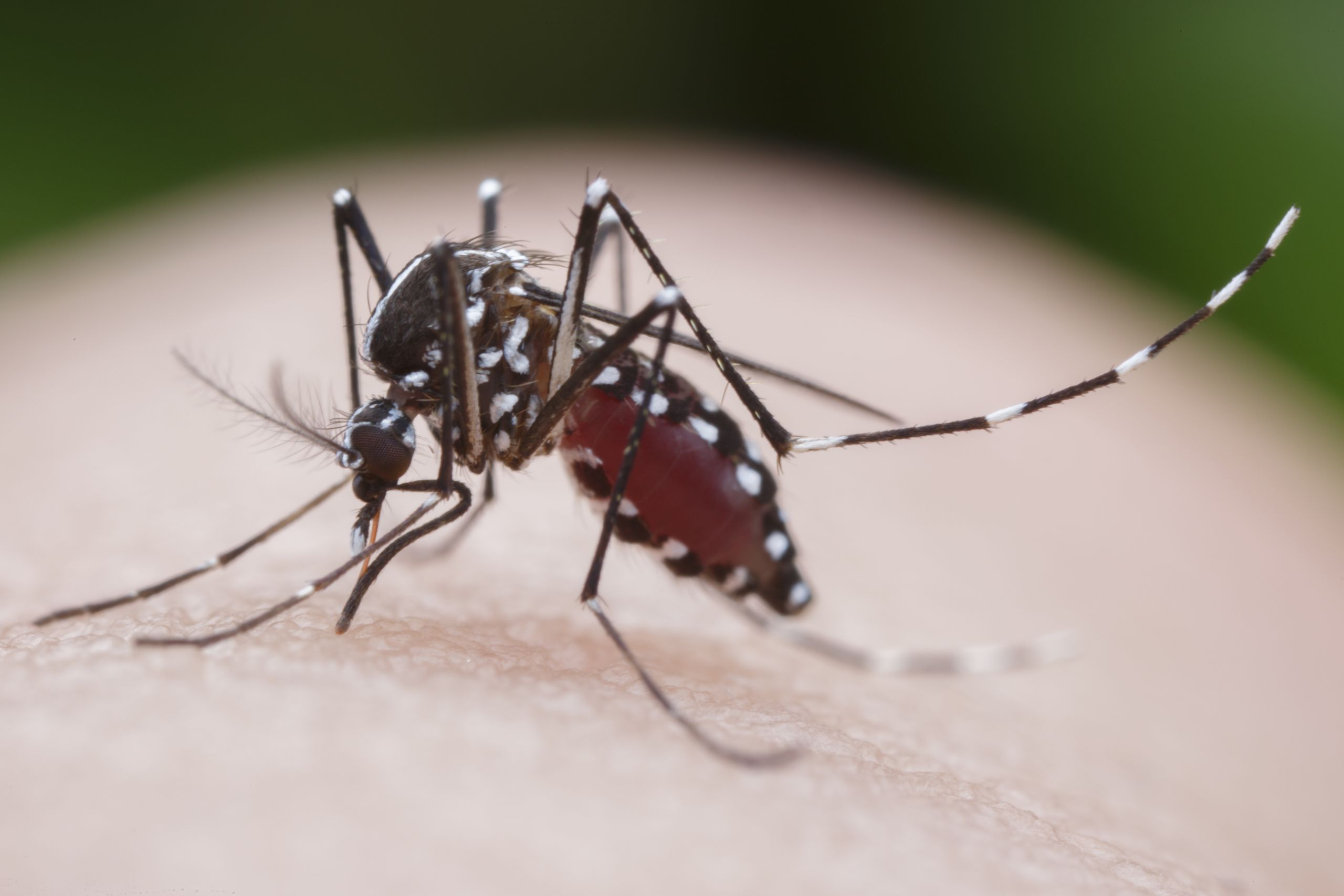
Gent, speaking to the transmission of the virus, said in Cayman, dengue is transmitted from imported cases by Aedes aegypti mosquitoes which breed in and around people’s homes.
“The (Mosquito Research and Control Unit) advises that currently Aedes aegypti numbers are low,” he said, which limits the transmission of the virus.
Public has a part to play
However, Gent said the public can help keep dengue under control.
“The public can do a lot to minimize the spread of dengue by inspecting yards, porches and other outdoor areas on a weekly basis and ensuring that it is kept free from any container that can hold rainwater,” he said.
Gent said typical containers that harbour mosquito larvae include plant pots, buckets, children’s toys, guttering and water storage drums, among others.
“Any container that can hold water for 10 days or more is a potential breeding site,” he added.
Over the Christmas holidays, there was a surge in mosquitoes. However, Alan Wheeler, MRCU director, said the increase in numbers was that of black salt marsh mosquitoes.
This, he said, is a “species that emerges in large numbers and is a significant biting nuisance but cannot transmit dengue”.
Prevent transmission
Gent has advised the community to guard against transmission of dengue by using mosquito repellent (DEET recommended), especially during peak times of mosquito traffic such as dusk and dawn.
“Use light long sleeve shirts and long pants to prevent bites and take steps to keep mosquitoes out of your home via the use of air conditioning, [and] window and door screens,” he said.
Gent recommended that once a week, residents empty and scrub, turn over, throw out or cover items that hold water, such as tyres, buckets, toys and pools.
Birdbaths, flowerpots or trash containers should also be regularly cleaned, he said.
“Check inside and outside your home. Mosquitoes lay eggs near water,” he added.
Gent also advised the public to contact the Mosquito Research and Control Unit on 949-2557 with a service request should they find the mosquito situation in their area warrants attention.
Those on Cayman Brac can call 948-2223.
The Department of Environmental Health can also be reached on 949-6696 in Grand Cayman or 948-2321 in Cayman Brac for additional assistance.
Related Videos