Lengthy delays in receiving mail via the post over the years has haunted the Cayman Islands Postal Service, but officials insist they have come a long way from when delivery times were a routine source of complaint.
“Our standard is two days, which means if you post something before 3pm today, it will be delivered by end of day on Wednesday,” Deputy Postmaster General Melissa Martinez-Ebanks told the Cayman Compass in an interview Monday.
Several factors contributed to previous delays in letters being dispatched and the resulting less-than-stellar reputation of the Postal Service.
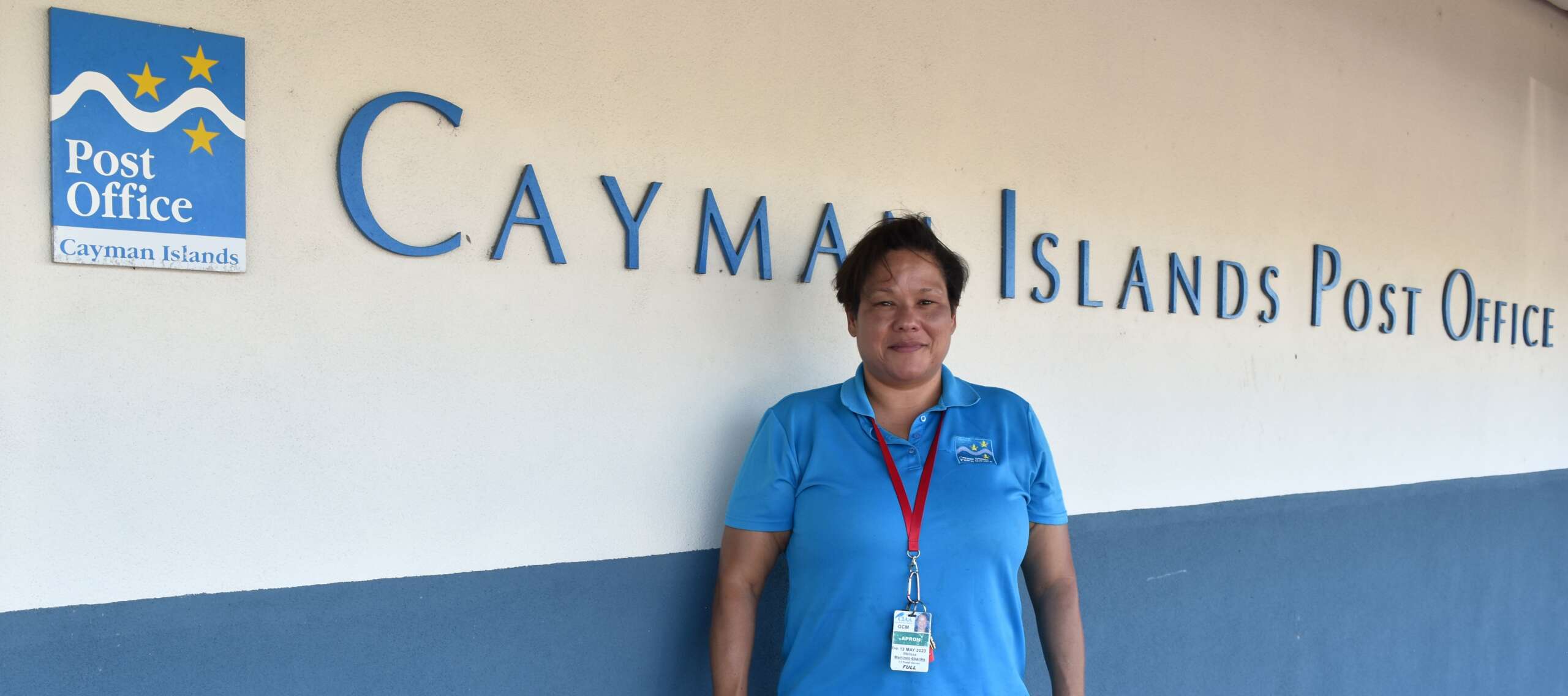
She said this was not solely the staff’s fault as varying reasons led to mail being delivered excessively late – from the flight challenges for overseas mail to letters just not being passed along the chain for delivery.
“We have done significant changes to our processes. We’ve implemented new monitoring. We have identified where we had the bottlenecks and we have continuously improved. The 2023 official results were released on Thursday [4 Jan.] and we’re at 98.7% on time delivery. It’s one of the best delivery standards in the world,” she said.
This means that almost every letter received is delivered within standard periods, she added.
Martinez-Ebanks said the turning point for the push for improvement came in 2014 when the Postal Service was assessed through the Global Monitoring System, which is the universal agency that monitors the delivery of letter mail.
She said the performance was pegged at 33%, which meant two out of three letters were delivered late.
“We knew we weren’t where we needed to be,” she said, but seeing it in hard statistics was a shocker.
“We were quite depressed,” she said, adding that the team used that result as a catalyst for improving both the processes and efficiency.
Added to this, she said, was the opportunity to earn a performance bonus for effective delivery times which Cayman has consistently received.
“We are monitored by an external agency, so we know what our performance is, and that performance is linked to our remuneration. So when we don’t perform, we don’t get paid as much. There is a reserved bonus payment that we lose if we don’t deliver on time,” she said.
The Global Monitoring System uses radio frequency identification to test mail delivery.
Small labels are inserted inside a letter which is then sent off and tracked through the mailing process.
“We have no way of knowing when a test letter is being delivered or when we’re handling a test letter. Despite all of that, we know we have data that shows that we have improved,” she said.
Why delays happen
Martinez-Ebanks said there will be times when mail will take longer than it should, but the postal service team strives to reduce those occurrences.
Oftentimes, she said, it is beyond the control of the team, especially when it comes to international mail.
Unlike firms like FedEx and UPS, she said, the local mail service for the most part uses commercial airlines for delivery internationally which presents some challenges with timing.

“We’ve all travelled, and if something is wrong with the flight, the mail is the first thing that comes off. Passengers baggage has priority as it should. So there are some challenges with using commercial carriers to transport mail,” she said.
She said when mail is coming from an external postal service, Cayman has no control over the route or the airline used.
“We do provide input to our partners to say, ‘Okay, this particular route we don’t think is working efficiently’. But ultimately it is the sending administration’s choice as to how they route it,” she said.
Return to normal
Martinez-Ebanks said access for postal deliveries has returned to pre-COVID levels which means letters and packages can be sent to most countries.
“We have sorted out all the major destinations. There may be still one or two that are sporadic that we don’t regularly get mail for; we have to find an intermediary to transit [the mail] for us. But at the moment we are able to get to pretty much any destination that we were able to send to pre-pandemic,” she said.
However, Martinez-Ebanks added that there are still some issues within the region when it comes to mail delivery.
“I think we are still seeing higher than pre-pandemic times to some destinations because we have to transit via more than one destination. The biggest challenges remain some of the smaller eastern Caribbean islands, St. Lucia, St. Vincent,” she said.
Letter delivery, she said, is close to the pre-pandemic standards, while Express Mail Service and parcels are back to those levels.
Related Videos